 By Meghna Sharma
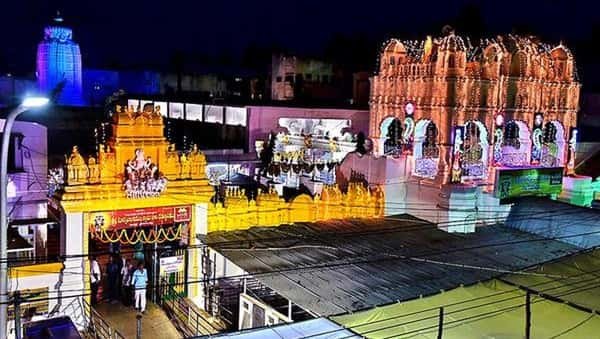
In the coastal town of Srikakulam, the first rays of sunlight carry special meaning for thousands of devotees. Sri Suryanarayana Swamy Temple at Arasavalli is among India’s best-known living shrines dedicated to Surya, the Sun God, and is celebrated for a distinctive architectural alignment through which sunlight is traditionally said to reach the deity at particular times of year. The temple offers a rare opportunity to experience solar worship as an active part of Hindu religious life rather than merely an ancient artistic theme.
Located a short distance from Srikakulam’s centre in Andhra Pradesh, Arasavalli draws pilgrims seeking blessings for well-being, courage and prosperity. The shrine honours Surya with his attendants and divine consorts, and the great festival of Ratha Saptami transforms the complex into one of the region’s busiest pilgrimage destinations. The temple’s long history, Kalinga connections and everyday rituals make it a rewarding stop for families travelling along the Visakhapatnam–Odisha coastal corridor. Planning ahead is especially important on Sundays and festival days, when the worship schedule differs from ordinary weekdays.
Arasavalli Temple Timings, Entry Fees and Pujas
The temple’s published schedule lists Sarva Darshanam from 6:00 AM to 12:30 PM and 3:30 PM to 8:00 PM. A more recent site associated with the shrine describes a slightly longer weekday morning session and special Sunday arrangements. Because the two published schedules do not agree in every detail, the conservative windows below are preferable for a first-time traveller.
| Activity | Published or indicative timings |
| Suprabhatam | Around 5:00 AM |
| Morning general darshan | 6:00 AM–12:30 PM |
| Maha Nivedana / midday ritual | Around 12:30 PM |
| Afternoon break | Around 12:30–3:30 PM |
| Evening general darshan | 3:30 PM–8:00 PM |
| Sunday programme | Special pujas and possible altered queue hours |
| General entry | Usually free |
Important Worship Services
Surya Namaskarams are a significant part of Sunday worship, and Tiruveedhi Seva is traditionally associated with Sunday evening. Devotees may request archana, special darshan and other services where the current temple counter permits them. Older and newer websites quote differing ticket categories and prices; verify charges before payment and avoid treating an older online list as a current rate card.
Modest clothing is appropriate, and shoes should be removed where instructed. Camera and mobile-phone restrictions may apply within the inner sanctum. Anyone planning to witness the sunlight alignment should first confirm whether the expected date, weather and temple arrangements allow public viewing.
Arasavalli Temple History and Religious Significance
The Legend of Indra and Nandi
The temple’s sthala purana connects its foundation with Indra, the celestial king. According to the story, Indra attempted to enter a Shiva shrine when Lord Shiva was with Parvati, ignoring the warning of Nandi, Shiva’s guardian. Nandi struck Indra and left him injured. Seeking relief, Indra was instructed in a dream to establish a shrine for Surya. He found a sacred image of the Sun God and installed it, receiving divine grace.
Another strand of local tradition credits Sage Kashyapa with consecrating the image for the welfare of humanity. These accounts explain the shrine’s devotional identity; neither should be mistaken for a dateable construction record.
Kalinga Patronage and Early History
Arasavalli lies within the wider historical region of Kalinga, whose dynasties supported a rich tradition of temple architecture. The temple’s own historical account and local government information associate its early construction with Devendra Varma, a ruler connected with Kalinga, placing the foundation in or around the seventh century CE. The dating is based on the interpretation of records and inscriptions described by the temple, rather than an entirely intact seventh-century building surviving unchanged today.
As elsewhere in eastern India, temples were maintained and remodelled through generations of patrons. The worship of Surya remained important even as Shaiva, Vaishnava and Shakta traditions flourished around it. Modern repairs and pilgrim facilities reflect the shrine’s continuing religious use.
The Image of Surya and Its Symbolism
The central image is remarkable for its finely worked dark stone. Temple descriptions identify Surya with divine consorts Usha, Chhaya and Padmini, and with attendants including Mathara and Pingala. Solar worship expresses the life-giving and time-regulating significance of the sun, with ritual prayers at sunrise holding special value.
These features make the image more than a generic sculpture of a god on a chariot. The iconography brings together mythological attendants, cosmic order and the Sun’s relation to daily human life. Devotees often connect Surya worship with prayers for health, but no temple ritual should be represented as a substitute for medical treatment.
Sunlight Alignment and Temple Architecture
One of the best-known beliefs about Arasavalli is that sunlight passes through the entrance sequence to illuminate the deity on certain days, often discussed around March and October. The phenomenon is associated with the layout and east-facing orientation of the shrine. Its precise appearance depends on astronomical conditions, building geometry, weather and access; visitors should not expect a guaranteed beam at a fixed clock minute every year.
The temple’s gopuram, courtyards and mandapams belong to an architectural tradition shaped by eastern Deccan and Kalinga influences. The most rewarding visit includes time to observe the sculptures and ritual movement of devotees, rather than hurrying through the sanctum alone.
How To Reach Arasavalli Temple
| Transport | Access point | Approximate distance |
| Rail | Srikakulam Road (Amadalavalasa) | Around 12–15 km |
| Air | Visakhapatnam Airport | Around 115–125 km |
| Road | Srikakulam town | 1–5 km depending on starting point |
| Road | Visakhapatnam | Around 110–120 km |
| Road | Vizianagaram | Around 65–75 km |
| Road | Bhubaneswar | Around 320–340 km |
By Air and Train
Visakhapatnam Airport is the nearest major aviation gateway for most travellers. Srikakulam Road Railway Station, at Amadalavalasa, serves long-distance trains on the important eastern coastal corridor. Taxis and local buses connect the station with Srikakulam and the temple.
By Road
Srikakulam is well connected by the highway linking Visakhapatnam and Odisha. APSRTC and private buses run regional services. The shrine lies close to the urban centre, but festival traffic may require parking farther away and a final walk through restricted lanes.
Best Time To Visit Arasavalli Temple
| Season | Months | Visitor conditions |
| Winter | November–February | Pleasant for darshan and sightseeing |
| Summer | March–May | Hot and humid; early visits preferable |
| Monsoon | June–September | Rain and coastal humidity |
| Post-monsoon | October | Good conditions on dry days; sunrise-interest period |
Ratha Saptami, usually in January or February according to the calendar, is the biggest festival, with special worship of Surya and heavy crowds. Sundays are routinely important. Devotees also take interest in reported sunlight-alignment days in spring and autumn, but festival access and astronomical observation are separate matters that should be verified independently.
Nearby Attractions
Srikurmam Temple, dedicated to Kurma, the tortoise incarnation of Vishnu, is a notable regional pilgrimage destination. Salihundam Buddhist remains provide insight into Andhra’s ancient Buddhist heritage. Kalingapatnam offers a river-meets-sea setting and coastal history, while Srimukhalingam Temple displays early Kalinga-style Shiva architecture. These attractions are spread across the district; allow a full day or more if combining them with Arasavalli.
Accommodation and Essential Travel Tips
Stay in Srikakulam, where there are more convenient hotel, food and transport choices than directly around the shrine. Reach early on Sundays and Ratha Saptami. Carry drinking water outside the temple and allow time for queue control. The route from the railway station is longer than the distance from Srikakulam city centre, a distinction that often confuses first-time visitors. For seva pricing, ask the temple administration rather than relying on mixed dates from online listings.
Frequently Asked Questions About Arasavalli Temple
Q1. What makes Arasavalli different from most Hindu temples?
Its presiding deity is Surya, the Sun God, and daily worship centres on solar symbolism. The shrine is also known for its reported seasonal sunlight alignment and traditional Surya Namaskarams.
Q2. Is the sunlight event visible every day?
No. The reputed alignment is associated with particular periods of the year and depends on conditions. Cloud cover, renovations or restricted access can affect viewing; it should never be advertised as a guaranteed daily spectacle.
Q3. Why is Ratha Saptami so important here?
Ratha Saptami is a major festival dedicated to Surya and symbolically celebrates the sun’s life-giving movement. At Arasavalli, it is the principal annual occasion for special worship and large congregations.
Q4. Are the temple’s historical origins the same as its founding legend?
No. The Indra–Nandi narrative is sacred tradition. Accounts connecting the shrine with Kalinga ruler Devendra Varma and early inscriptions belong to a different category of historical evidence.
Q5. Do devotees visit Arasavalli for prayers concerning health?
Yes. Many worship Surya for well-being and vitality as a matter of faith. Such prayers can provide spiritual comfort but do not replace medical diagnosis, medication or professional treatment.
Q6. Can a visitor combine Arasavalli with Srikurmam on the same day?
Generally yes, with an early start and arranged transport. The two shrines have independent worship schedules; check both before planning a tightly timed trip.