 By Santosh Kumar
 Transport is a key factor in the economic and social development of a country. It helps people travel, goods reach markets, and nations connect with the rest of the world. Among the various modes of transport such as road, rail, and water transport, air transport is the fastest and most modern. Air transport refers to the movement of passengers and goods by aircraft through the air. It includes domestic flights, international flights, cargo planes, and air mail services.
Air transport has revolutionized global travel and trade. What once took weeks by sea or days by land can now be completed in a few hours by air. It plays a vital role in international relations, tourism, emergency services, and defense. However, air transport is also expensive, energy-intensive, and limited in accessibility. To understand its real importance, it is necessary to study both the advantages and disadvantages of air transport.
Advantages of Air Transport
1. Fastest Mode of Transport
The biggest advantage of air transport is speed. It is the fastest means of travel over long distances. Airplanes can cover thousands of kilometers in just a few hours, saving valuable time for passengers and businesses.
2. Suitable for Long-Distance and International Travel
Air transport is ideal for long-distance and international journeys. It connects countries and continents quickly, making global travel easy and convenient. This has helped increase international cooperation and cultural exchange.
3. Saves Time for Business and Trade
Business executives, professionals, and government officials prefer air transport because it allows quick travel and efficient use of time. Fast movement of people and goods supports global trade and economic growth.
4. Essential for Emergency Services
Air transport plays a crucial role during emergencies. Air ambulances, rescue helicopters, and relief aircraft are used during natural disasters, medical emergencies, and rescue operations in remote or inaccessible areas.
5. Ideal for Perishable and Valuable Goods
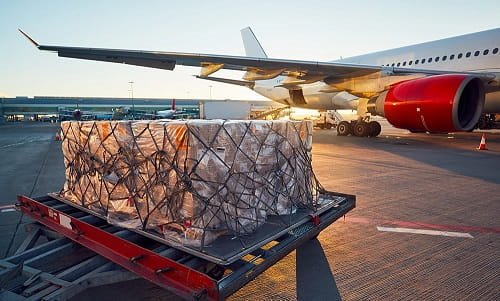
Air transport is best suited for carrying perishable goods such as medicines, vaccines, flowers, fruits, seafood, and dairy products. It is also used to transport valuable items like gold, electronics, and important documents safely.
6. Connects Remote and Inaccessible Areas
Air transport connects remote, hilly, island, and desert regions where road and rail networks are difficult to build. This improves accessibility and supports development in isolated areas.
7. Promotes Tourism
Air transport has greatly boosted tourism. Tourists can travel quickly and comfortably to different parts of the world. This supports local economies, creates jobs, and promotes cultural exchange.
8. High Level of Comfort
Modern aircraft provide a high level of comfort to passengers. Facilities such as comfortable seating, in-flight entertainment, food services, and air-conditioning make long journeys more pleasant.
9. Reduces Travel Fatigue
Compared to long road or sea journeys, air travel reduces physical fatigue. Passengers reach their destination quickly and with less exhaustion, which is especially useful for elderly people and professionals.
10. Supports National Security and Defense
Air transport is extremely important for national defense. Air forces use aircraft for surveillance, transport of troops, and defense operations. It strengthens national security and emergency response capability.
Disadvantages of Air Transport
1. High Cost
One of the main disadvantages of air transport is its high cost. Air travel is expensive compared to road and rail transport. Ticket prices, fuel costs, maintenance, and airport charges make it unaffordable for many people.
2. High Initial Investment
Building airports, runways, aircraft, and navigation systems requires huge investment. Maintenance of airports and aircraft is also very costly, making air transport capital-intensive.
3. Limited Carrying Capacity
Compared to ships and trains, aircraft have limited capacity for carrying heavy and bulky goods. This makes air transport unsuitable for transporting large quantities of raw materials like coal, iron ore, and cement.
4. Weather Dependence
Air transport is highly affected by weather conditions such as fog, storms, heavy rain, and snowfall. Bad weather can cause flight delays, cancellations, or accidents, leading to inconvenience and financial loss.
5. Environmental Pollution
Aircraft burn large amounts of fuel and release carbon dioxide and other greenhouse gases into the atmosphere. This contributes to air pollution and climate change. Noise pollution around airports is also a serious problem.
6. Risk of Accidents
Although air travel is generally safe, accidents can still occur due to technical failure, human error, or extreme weather. When air accidents happen, they often result in heavy loss of life and property.
7. Not Accessible to Everyone
Air transport is not easily accessible to all regions. Airports are usually located far from city centers, and many rural areas do not have airport facilities. This limits its reach compared to road transport.
8. Security Concerns
Airports require strict security checks to prevent hijacking, terrorism, and illegal activities. These checks increase travel time and may cause discomfort and stress to passengers.
9. Limited Door-to-Door Service
Air transport does not provide door-to-door service. Passengers and goods must use road transport to reach airports and final destinations, increasing overall travel time and cost.
10. Dependence on Advanced Technology
Air transport relies heavily on advanced technology and skilled professionals. Technical failures, system breakdowns, or lack of trained staff can disrupt services and cause safety risks.
Role of Air Transport in the Modern World
In today’s globalized world, air transport plays a vital role in connecting nations, supporting trade, and responding to emergencies. It is essential for globalization, international business, tourism, and diplomacy. Despite its limitations, air transport remains the backbone of rapid global connectivity.
Conclusion
Air transport is the fastest and most efficient mode of transport for long-distance and international travel. It saves time, supports global trade, tourism, and emergency services. However, high cost, environmental impact, weather dependence, and limited accessibility are major drawbacks. A balanced approach, with improved technology and environmental responsibility, is necessary to maximize the advantages of air transport while reducing its disadvantages.