 By Meghna Sharma
Gudimallam is a small village temple with an importance far greater than its modest size. Near Tirupati in Andhra Pradesh, the Sri Parasurameswara Swamy Temple preserves an extraordinary early stone linga whose front carries a sculpted standing figure associated with Lord Shiva. Unlike the smooth, largely aniconic lingas familiar in many later shrines, this image offers a rare glimpse into the development of Shaiva worship and Indian religious art.
Scholars have studied the sculpture for generations. It is often dated to the last centuries BCE, although proposals for its exact period differ. The temple built around it contains architectural features from later centuries, so the date of the original linga should not be mistaken for the age of every wall and roof. Its recognition as a nationally protected monument adds another layer to its significance.
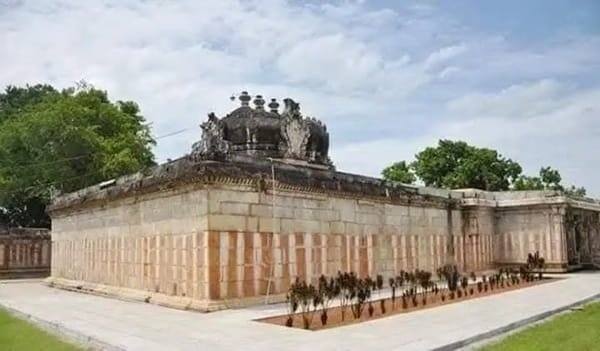
A visit is rewarding for devotees and travellers interested in archaeology, but it needs realistic planning: Gudimallam has fewer transport options than central Tirupati, and detailed daily darshan timings are not published consistently. This guide separates the secure historical facts from interpretation and gives practical advice for seeing the shrine respectfully.
Gudimallam Temple Timings, Entry Fees and Pujas
The main public darshan windows and ritual breaks are listed below. These are planning hours, not a promise of uninterrupted viewing; special festivals, weather and temple notices can alter the normal schedule.
Gudimallam Temple Darshan Timings
| Session | Published guidance |
| General opening window | About 6:00 AM – 8:00 PM |
| Possible midday ritual pause | Exact hours unconfirmed |
| Maha Shivaratri / Pradosham | Special schedule possible |
| General entry | Usually free; confirm local notices |
Published sources disagree on whether a separate noon closure applies. No current official daily queue timetable was located, so check the temple locally rather than assuming uninterrupted access.
Important Daily Pujas and Sevas
Daily Shiva worship includes abhishekam and archana. Pradosham and Maha Shivaratri can alter the normal visiting routine. Visitors interested in the stone carving should not confuse archaeological viewing access with the schedule of ritual services.
Ordinary worship is generally free. Paid abhishekam or archana may be available through the local temple counter, but no reliable current official price list or precise uninterrupted darshan schedule was established. Some guides quote 6:00 AM–8:00 PM as a broad window; midday interruptions should be expected rather than ruled out.
Dress Code and Visitor Rules
Photography in the sanctum may be restricted. Follow the instructions of priests and monument staff rather than relying on internet claims about camera permission.
Choose modest clothing and remove shoes before entering the shrine. Because the linga is a protected antiquity, do not touch it, lean on architectural details or use flash photography. Permission for interior photographs is not guaranteed, even when visitors take photos outside the compound.
Gudimallam Temple History and Religious Significance
An early Shiva image and the debate over its date
The centrepiece of Gudimallam is a polished stone linga bearing a human figure in high relief. The figure holds an axe and an animal, commonly identified as an antelope, and stands above a smaller supporting figure. Scholars generally read it as an early representation of Shiva. The combination of a cylindrical linga with an explicitly sculpted deity is important because later Shaiva iconography often separates the abstract symbol from freestanding human images. Gudimallam therefore preserves an unusually early phase in the visual language of Shiva worship.
Researchers have proposed dates extending from the late centuries before the Common Era into the early historic centuries CE. Frequently cited assessments place the sculpture around the second or first century BCE, although precise dating remains disputed. The evidence comes from stylistic comparison, carving technique and the history of South Asian art—not from a surviving inscription giving the exact year of its making. It is appropriate to describe the linga as among the earliest important surviving Shaiva images, rather than claim with certainty that it is the oldest Shiva idol in the world.
Later temple construction, iconography and conservation
The sanctum’s present architectural shell was developed and repaired in later periods. The original object of worship remained central as the surrounding temple acquired masonry, a modest tower and additional worship spaces. Architectural layers at such sites help historians understand how sacred places were reused across changing kingdoms and religious communities. The shrine is listed among the Archaeological Survey of India’s protected monuments, which means visitors encounter both an active place of worship and a heritage structure requiring careful conservation.
Religious practice identifies the deity as Parasurameswara Swamy, and devotees continue to offer customary Shiva worship, particularly on Mondays and Maha Shivaratri. The icon has invited different art-historical interpretations, including discussion of ascetic Shiva motifs and the relation between the carved figures. These interpretations remain matters of scholarship, whereas the daily reverence offered by devotees is a living tradition. For visitors, the strongest experience is to observe the remarkable carving patiently without touching the ancient stone or treating the sanctum as a photographic studio.
How To Reach Gudimallam Temple
Gudimallam lies in Yerpedu mandal, within travelling distance of Renigunta and Tirupati. Private transport or a taxi with an agreed return pickup is more reliable than depending on frequent local buses to a small village shrine.
| Mode | Practical access point |
| By air | Tirupati International Airport, approximately 15–25 km by route |
| By train | Renigunta or Tirupati railway stations |
| By road | Road access from Tirupati and Srikalahasti via Yerpedu |
By Air
Tirupati International Airport, approximately 15–25 km by route. Flights, connections and transfer times vary. Confirm that the selected airport has a convenient onward taxi or bus link rather than judging suitability by map distance alone.
By Train
Renigunta or Tirupati railway stations. Check whether the train stops at the stated station and arrange local transport for the final leg, especially if arriving after dark or with elderly relatives.
By Road
Road access from Tirupati and Srikalahasti via Yerpedu. Roads near religious sites are sometimes pedestrianised or subject to temporary diversions on festival days. A drop-off point within walking distance can be more practical than trying to drive to the main gate.
Best Time To Visit Gudimallam Temple
The most comfortable general travel season is October to March. Temperatures, rainfall and daylight conditions affect queueing outdoors, walking between attractions and using public transport. Devotees specifically seeking a festival experience may prefer a busier season, provided they allow time for crowds and altered schedules.
| Season | Visitor conditions |
| November–February | Comfortable for temple visits and outdoor travel |
| March–May | Warm or hot; early visits advisable |
| June–October | Monsoon or post-monsoon conditions vary locally |
Major Festivals
Important annual occasions include Maha Shivaratri, Pradosham and the Karthika worship season. Such celebrations change the atmosphere considerably: decorated deities, processions or extended worship may be a highlight, but queues and room prices can rise. Families wanting a relatively quiet darshan should prefer an ordinary weekday outside the main festival period.
Nearby Attractions
A visit to Gudimallam Temple can be combined with several nearby places. Pick attractions according to the time available rather than trying to cover every stop after a long darshan queue.
- Srikalahasti Temple
- Chandragiri Fort
- Sri Venkateswara Museum and Tirupati shrines
Before adding a distant attraction, check opening times and the driving route. A religious journey is usually more comfortable when one significant site is explored properly instead of several being rushed.
Accommodation and Essential Travel Tips
Local roads and village signboards are more useful than a city-centre approach. Arrange a return taxi or confirm auto-rickshaw availability before setting out.
Book a room in a convenient town rather than choosing accommodation only by the lowest displayed price. Ask about check-in rules, parking, accessibility and the last local bus. Carry identification, drinking water, essential medicines and a modest amount of cash for small purchases. Where official booking facilities exist, use the genuine temple or church channels rather than agents who promise guaranteed priority access.
Frequently Asked Questions About Gudimallam Temple
Q. Why is the Gudimallam linga historically unusual?
A carved standing figure associated with Shiva appears directly on the front of the stone linga. That blend of human and symbolic representation is rare among surviving early Shaiva objects, giving historians a valuable clue to the development of Shiva imagery.
Q. Is the linga definitely from the third century BCE?
No single date is universally accepted. Scholars have proposed several periods spanning the late centuries BCE and early centuries CE. The often-cited early dating is based on stylistic analysis rather than a dated inscription, so a responsible guide should state the uncertainty.
Q. Can visitors touch the ancient carving during worship?
They should not assume permission. The shrine is a protected heritage site, and unnecessary contact can damage an old stone surface. Follow the priest’s instructions and the rules of the conservation authorities; the opportunity for darshan does not imply a right to handle the sculpture.
Q. Is the entire temple as old as the famous linga?
No. The central object of worship is much older than several visible parts of the building, which were added or repaired over time. Temple architecture and a sacred image can have very different dates, a distinction central to Gudimallam’s historical significance.
Q. Will a history-focused visitor benefit from a guide?
Possibly, but use someone knowledgeable about the site’s iconography and avoid sensational claims about proven ages or miraculous events. A good explanation should describe the axe, animal, supporting figure and later architectural layers while distinguishing scholarly interpretation from belief.
Q. Can a visit be combined with major Tirupati temples?
Yes, especially with a private vehicle and enough time for the journey between villages and town. Gudimallam is quieter and more limited in visitor services than Tirumala or Tiruchanur, so it works best as an additional heritage stop rather than a rushed detour.