 By Meghna Sharma
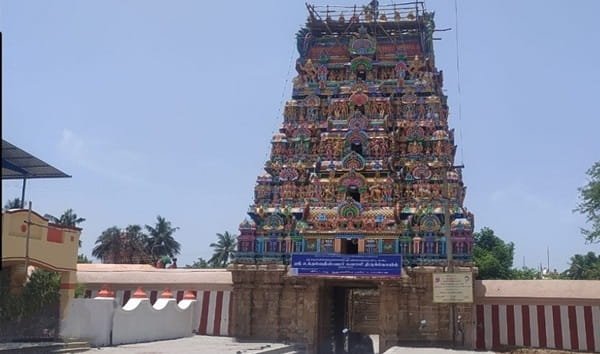
In the fertile villages of the Cauvery delta, Thirumanancheri is known for a hope that brings pilgrims from across Tamil Nadu: a prayer for marriage and family harmony. The centuries-old Udhvaganathaswamy Temple honours Lord Shiva as Kalyanasundareswarar and Goddess Parvathi as Kokilambal. Couples, parents and unmarried devotees travel here not because the shrine is grander than its neighbours, but because its sacred legend centres on the divine wedding itself.
The temple stands near Kuthalam in Mayiladuthurai district and belongs to the rich network of Saiva shrines celebrated in Tamil devotional literature. Its ritual calendar includes daily worship and a specific marriage-prayer service, while its corridors, icons and older stonework reward visitors interested in Chola-region temple culture. A carefully planned visit should respect the midday closure and avoid agents who sell costly assurances of marriage. Below are the officially published hours, the meaning of the local traditions and realistic travel arrangements.
Thirumanancheri Temple Timings, Entry Fees and Pujas
The timings below are for the shrine in Thirumanancheri, Tamil Nadu. Public darshan may pause while priests perform naivedyam, alankaram or other rituals, even if the outer complex is open.
Thirumanancheri Temple Darshan Timings
| Activity | Timings / visitor information |
| Morning darshan | 7:35 AM – 1:30 PM |
| Midday closure | 1:30 PM – 3:30 PM |
| Evening darshan | 3:30 PM – 8:30 PM |
| Uchikala puja | About 1:00 PM – 1:30 PM |
| Evening Sayaraksha | 5:30 PM – 6:00 PM |
| Arthajama puja | 8:00 PM – 8:30 PM |
| Published marriage-prayer ticket | ₹150 on HR&CE site; verify at counter |
The Tamil Nadu HR&CE portal publishes a split darshan schedule and lists a ₹150 Thirumana Prarthanai ticket. This amount applies to that listed service, not to a general entry ticket. Check whether a chosen puja requires both participants to attend or requires specific clothing or offerings. Avoid arriving during the 1:30 PM–3:30 PM break. Ritual times and queue access may change on festival days.
Dress Code, Entry and Ritual Arrangements
Ordinary darshan is generally free where specified, but optional archana, abhishekam, special worship or queue facilities can have separate charges. Dress modestly and follow posted rules about phones, footwear, bags and photography. Avoid intermediaries promising guaranteed entry, miracle cures or special favours. Where a charge or rule has not been confirmed by temple management, ask the authorised office before paying.
Thirumanancheri Temple History and Religious Significance
The Sacred Wedding of Shiva and Parvathi
Thirumanancheri literally evokes the auspicious settlement of marriage. In the shrine’s sthala purana, Shiva and Parvathi enact their divine wedding here, with the Lord worshipped as Kalyanasundareswarar and the Goddess as Kokilambal. The story explains why many visitors seek blessing for the beginning of married life. Associated variants describe Parvathi’s penance, her transformation into a bird and a restoration of union. These are strands of devotional storytelling rather than events that can be assigned an archaeological date.
A Place in the Tamil Saiva Tradition
The shrine belongs to the Cauvery delta’s long history of Saiva worship. Thirunavukkarasar (Appar) praised Thirumanancheri in the Tevaram tradition, connecting its identity to the seventh-century devotional movement in Tamil country. The continued recitation of sacred hymns and use of Tamil temple terminology distinguish the site from newer marriage-themed pilgrimage centres. Its sanctum is part of a much wider sacred landscape that includes Kuthalam, Mayiladuthurai and other shrines of the old Chola region.
Temple Building and Patronage
The standing complex reflects the common history of Tamil temples: stone sanctums and mandapams shaped by several generations of gifts, rebuilding and local maintenance. Exact construction dates for every structure should not be inferred from the age of the legend. The temple’s arrangement of the Shiva and goddess sanctums, festival images, gateways and circumambulatory space demonstrates the blending of liturgical use with architecture. It remains an active place of worship under Tamil Nadu’s Hindu Religious and Charitable Endowments administration.
Meaning of Marriage Prarthanai
Devotees may make a prayer for a suitable marriage and later return to offer thanks. Couples sometimes visit after their wedding, expressing gratitude and seeking a peaceful household life. The act is devotional and communal; it is not a substitute for personal decision-making or a prediction of a wedding date. The temple’s official administration publishes the marriage-prayer service, making the genuine counter the proper place to ask about tokens and permitted offerings.
How To Reach Thirumanancheri Temple
The shrine is in Thirumanancheri, Tamil Nadu. Allow for local road conditions and queueing when planning connecting trains, buses or flights. These are approximate route figures rather than guaranteed travel times.
| Transport / starting point | Best route or access | Approximate distance |
| Nearest major railhead | Mayiladuthurai Junction | About 15–20 km |
| Other rail access | Kumbakonam | About 20–25 km |
| From Kuthalam | Local road / taxi | About 5–7 km |
| By road | Thanjavur | About 65–75 km |
| Nearest major airports | Tiruchirappalli or Puducherry | Longer onward road journey |
By Air, Train and Road
Mayiladuthurai Junction is the practical rail base, with trains on the Cauvery delta network. From there, use a local bus towards Kuthalam or a taxi for the last village roads. Families combining several small temples may find a hired vehicle more efficient than relying on infrequent connections. Road distances change with the approach village and route.
Best Time To Visit Thirumanancheri Temple
The most comfortable season depends on rainfall, heat and the nature of the approach road. Festivals may be rewarding for devotees but require extra time and different transport arrangements.
| Period | Typical conditions | Practical advice |
| November–February | Milder, comfortable days | Best for temple circuits |
| March–June | Hot with strong midday sun | Use early darshan |
| July–September | Humid with intermittent rain | Expect occasional delays |
| Monsoon/cyclone periods | Rain can affect delta roads | Check local weather |
Major Festivals and Religious Observances
The temple observes the customary Shiva worship cycle, including Pradosham and Maha Shivaratri. Ceremonies relating to the divine marriage have special resonance here. Crowds can also rise on auspicious marriage-calendar days and weekends even without a major annual festival. Travellers should avoid assuming one fixed queue time throughout the year.
Nearby Attractions
- Mayuranathaswamy Temple: A historic Shiva temple in nearby Mayiladuthurai, part of the Cauvery delta pilgrimage landscape.
- Thiruvalanchuzhi and Kumbakonam temples: A wider circuit rich in Chola and later-period architecture.
- Kuthalam temples: Small traditional shrines worth visiting while approaching Thirumanancheri.
- Swamimalai Murugan Temple: A major Murugan destination for pilgrims extending the trip towards Kumbakonam.
Accommodation and Essential Travel Tips
Carry small cash for official services, but do not buy packages from people claiming special influence over the rituals. The HR&CE site lists the temple contact number 04364-235002, useful for checking seva reporting requirements. Wear modest traditional clothes, allow time for the midday break and avoid crowding sanctum doorways for photographs. Couples should bring any personal details or items only if the authorised office specifically requests them.
Frequently Asked Questions About Thirumanancheri Temple
Q. Must both prospective partners attend the marriage prayer?
The exact participation rules should be confirmed at the temple’s official counter. Do not assume an agent’s instructions are temple policy; an individual devotee may ask what the authorised procedure allows.
Q. What is the difference between Thirumana Prarthanai and a wedding ceremony?
Thirumana Prarthanai is a prayer service, not a civil or religious marriage solemnisation. Booking a prayer does not arrange a wedding or create a marriage certificate.
Q. Why is the Goddess called Kokilambal?
Her name belongs to the shrine’s local Shiva-Parvathi legend, including traditions describing the Goddess in a bird-associated form before the divine wedding.
Q. Should a devotee return after marriage?
Many families make a thanksgiving visit. It is a personal religious custom rather than a legal requirement; ask temple staff about the appropriate offering.
Q. Does the temple guarantee that a prayer will result in marriage?
No shrine can responsibly guarantee such an outcome. Devotees visit as an expression of faith while personal choices and circumstances remain important.
Q. Can a family combine this shrine with several delta temples?
Yes. A planned vehicle route through Kuthalam, Mayiladuthurai and Kumbakonam makes a rewarding circuit; check each temple’s separate midday closure before setting out.