 By Meghna Sharma
In the heart of Karnataka’s coastal temple town, Udupi Sri Krishna Matha preserves one of India’s most distinctive forms of Krishna worship. The deity is worshipped as *Kadagolu Bala Krishna*, the child Krishna holding a churning rod and rope. Unlike many temples where visitors see the deity from a broad doorway, devotees at Udupi offer prayers through a small, nine-holed sacred window associated with the saint-poet Kanakadasa.
The temple was established in the thirteenth century by Sri Madhvacharya, the philosopher who taught Dvaita Vedanta. Its religious life is guided by eight monasteries called the Ashta Mathas, which take turns overseeing worship through the Paryaya system. The daily programme also includes an important tradition of free vegetarian meals.
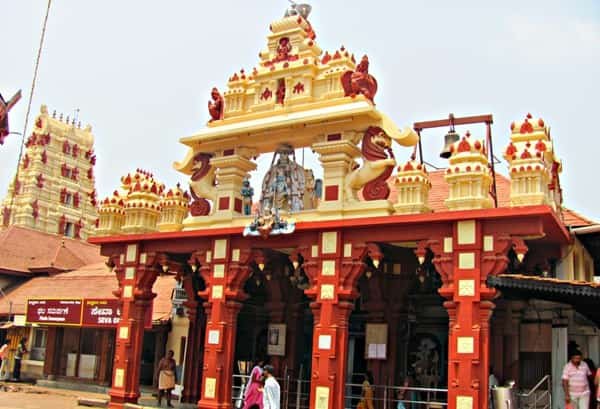
Close to Udupi’s bus and rail connections and within reach of popular coastal attractions, the Matha suits both pilgrims and families exploring Karnataka. This guide covers its darshan timings, daily pujas, history, how to reach, festivals and important rules.
Udupi Krishna Temple Timings, Entry Fees and Pujas
Udupi Sri Krishna Matha lists public darshan from 5:00 AM to 1:00 PM and 3:30 PM to 9:00 PM. The late morning includes Maha Pooja, and visitors should be prepared for pauses and queue changes associated with the daily rituals.
Udupi Krishna Temple Darshan Timings
| Activity | Published timing |
| Morning darshan | 5:00 AM – 1:00 PM |
| Maha Pooja | 10:30 AM – 11:30 AM |
| Afternoon break | 1:00 PM – 3:30 PM |
| Evening darshan | 3:30 PM – 9:00 PM |
| Late-night Shayanotsava | Around 8:45 PM |
| General entry | Free Sarva Darshan |
| Open days | All days, subject to festival changes |
The schedule comes from the Matha’s published visitor information. Devotees seeking a particular puja should allow additional time, as a ritual start does not necessarily mean the public darshan queue will continue without interruption.
Major Daily Pujas and Rituals
Fourteen daily worship observances form the heart of Matha life. Nirmalya Visarjane begins at approximately 4:00 AM as the previous day’s offerings are removed. Ushakala Puja follows around 5:30 AM, with Akshaya Patra and Go Puja near 6:00 AM. Panchamrita worship is scheduled around 6:30 AM, followed by Teertha Puja and Alankara.
The principal Maha Pooja is held from about 10:30 AM to 11:30 AM. Evening observances include Chamara Seva, Ratri Puja and Mantapa Puja before the concluding Shayanotsava. The day’s exact ceremonial order may change during major festivals.
Free Anna Prasada Timings
| Meal | Published timing |
| Lunch | 11:30 AM – 2:30 PM |
| Dinner | 7:30 PM – 9:30 PM |
The Matha’s Nitya Anna Dasoha programme serves free satvik vegetarian food to pilgrims in the Annabrahma dining facility. Visitors should follow seating instructions and avoid wasting food. The dining schedule is separate from the temple’s general darshan hours.
Entry Fees, Dress Code and Photography
Ordinary darshan is free. No verified general-entry ticket is required. Optional offerings should be arranged only through authorised Matha channels; do not assume a paid priority queue is available.
Men are expected to wear a dhoti or suitable trousers and remove their shirts before entering the inner sanctum area. Women should wear a saree, salwar kameez or other appropriate traditional attire. Footwear must be removed. Photography at the sanctum and near the sacred viewing window is prohibited. Keep mobile phones put away and follow local instructions.
Udupi Krishna Temple History and Religious Significance
Sri Madhvacharya and the Discovery of Krishna
Sri Madhvacharya founded Udupi’s Krishna worship tradition in the thirteenth century. According to temple legend, a merchant ship was caught in a storm near the Malpe coast. Madhvacharya helped guide it to safety and accepted lumps of *gopichandana*, sacred clay, as a gift instead of money.
Within the clay, he is said to have found an image of young Krishna. The idol was brought to Udupi and installed for worship. The deity’s churning rod and cord are distinctive features, representing the playful childhood of Krishna and his connection to the stories of Yashoda’s household.
These details form part of temple tradition. Madhvacharya’s role in shaping Udupi as a major centre of Dvaita philosophy belongs to the region’s documented intellectual and religious history.
The Story of Kanakadasa and Kanakana Kindi
The Matha’s best-known devotional story concerns Kanakadasa, the sixteenth-century poet-saint. Tradition relates that he was prevented from entering the temple by social barriers and prayed from outside its western wall. Lord Krishna, moved by his devotion, turned to face him, opening a way for darshan through the wall.
The sacred window associated with the event is called Kanakana Kindi. Today pilgrims receive darshan through the nine-holed Navagraha Kindi. The story has become a powerful reminder that devotion is more important than status or social distinction. Different historical retellings exist, so the miraculous elements are best understood as religious tradition.
The Ashta Mathas and Paryaya System
Eight monasteries—Palimaru, Adamaru, Krishnapura, Puttige, Shiroor, Sode, Kaniyooru and Pejawara—are associated with Madhvacharya’s disciples. Their pontiffs oversee worship through a rotational system called Paryaya.
The present practice assigns a two-year term to each Matha. The ceremonial transfer of responsibility is one of Udupi’s most significant religious events. The system preserves continuity in daily worship and the great community dining tradition.
Architecture and Sacred Surroundings
Udupi Krishna Matha has a compact coastal-temple character: tiled roofs, stone-paved areas, pillared halls and the busy Car Street surrounding the shrine. Nearby Madhva Sarovara is a sacred stepped tank. Traditional custom encourages pilgrims to worship at Sri Chandramouleshwara and Sri Anantheshwara temples before visiting Krishna.
How To Reach Udupi Krishna Temple
The temple is situated on Car Street in central Udupi. The town is well connected to the rest of coastal Karnataka and the Konkan Railway, and it is a convenient stop on journeys between Mangaluru, Kundapura and Goa.
| Transport | Access point or route | Approximate distance |
| By air | Mangaluru International Airport | Around 55–65 km |
| By train | Udupi Railway Station | Around 3–5 km |
| By road | Udupi city bus stand to Matha | Around 1–2 km |
| By road | Mangaluru to Udupi | Around 55–60 km |
| By road | Kundapura to Udupi | Around 35–40 km |
| By road | Bengaluru to Udupi | Around 400–420 km |
By Air
Mangaluru International Airport is the nearest major airport. From there, travellers can hire a taxi to Udupi or first reach Mangaluru city and transfer to a bus. Allow time for traffic along the coastal highway.
By Train
Udupi Railway Station on the Konkan Railway is convenient for passengers from several parts of India. Auto-rickshaws and taxis cover the short distance to Car Street. During major festivals, vehicles may not be allowed close to the entrance, making a final short walk necessary.
By Road
KSRTC and private buses connect Udupi with Mangaluru, Bengaluru, Kundapura and other destinations. From Udupi’s bus stands, use a local auto or walk if convenient. Car Street is busy and pedestrian-focused during processions, so road trippers should park in designated locations outside the most crowded lanes.
Best Time To Visit Udupi Krishna Temple
The most comfortable season is October to February, when the coastal weather is generally less humid. A visit can be combined with beaches and nearby historic temples. The monsoon brings heavy rain and lush scenery, but ferries and coastal sightseeing may be restricted.
| Season | Months | Travel conditions |
| Winter | October–February | Pleasant; excellent for temple and coastal visits |
| Summer | March–May | Hot and humid, especially at midday |
| Monsoon | June–September | Heavy rainfall; some excursions restricted |
| Major festival periods | Janmashtami and Paryaya | Rich traditions but very crowded |
Important Festivals
Sri Krishna Janmashtami is celebrated with special worship, decorations and community festivities. The following Vittla Pindi festivities include traditional performances and festive activity around Car Street.
Paryaya Mahotsava marks the handover of temple management between the Ashta Mathas, generally in January every two years. Processions, ritual observances and large pilgrim gatherings make it a special occasion, though booking accommodation well ahead is advisable. Annual chariot festivals and other Vaishnava celebrations form part of the Matha’s calendar.
Nearby Attractions in Udupi
Sri Anantheshwara Temple: This historic Shiva shrine near Car Street is traditionally visited before Krishna darshan and is easy to include in the same walking circuit.
Sri Chandramouleshwara Temple: Another small but spiritually important neighbouring temple, associated with Udupi’s traditional pilgrimage sequence.
Malpe Beach: Around 6–8 km away, the beach is popular for sunsets and coastal views. Follow official safety notices during rough seas.
St Mary’s Islands: Reached by seasonal boat services from the Malpe area, the islands are known for distinctive basalt formations. Trips depend on weather and marine conditions.
Accommodation and Essential Travel Tips
Udupi has guesthouses, hotels and lodges serving pilgrims and coastal visitors. Staying near Car Street is convenient for early darshan but may mean traffic noise and limited parking. Carry a dhoti or suitable traditional clothing, keep shoes at a recognised stand, and reach early if interested in Maha Pooja. For an easy family itinerary, allow half a day for the temple and neighbouring shrines, with separate time for Malpe or other coastal outings.
Frequently Asked Questions About Udupi Krishna Temple
Q1. What are the daily darshan timings at Udupi Krishna Temple?
Morning darshan is from 5:00 AM to 1:00 PM, with an afternoon break, followed by evening darshan from 3:30 PM to 9:00 PM.
Q2. Is entry free at Udupi Sri Krishna Matha?
Yes. Ordinary Sarva Darshan is free. Optional offerings and religious services may have separate arrangements.
Q3. Why is Krishna viewed through a window?
Devotees see Krishna through the Navagraha Kindi, traditionally linked to the saint Kanakadasa and the miraculous turning of the deity toward his prayers.
Q4. Is free food provided at the temple?
Yes. The published free-meal sessions are 11:30 AM–2:30 PM for lunch and 7:30–9:30 PM for dinner.
Q5. What is the dress code for Udupi Krishna Temple?
Men should wear traditional or suitable full-length clothing and remove their shirts before the inner sanctum. Women should wear modest traditional clothing such as a saree or salwar kameez.
Q6. How far is the temple from Udupi Railway Station?
The Matha is approximately 3–5 km from the station. Autos and taxis are available for the final journey.