 By Meghna Sharma
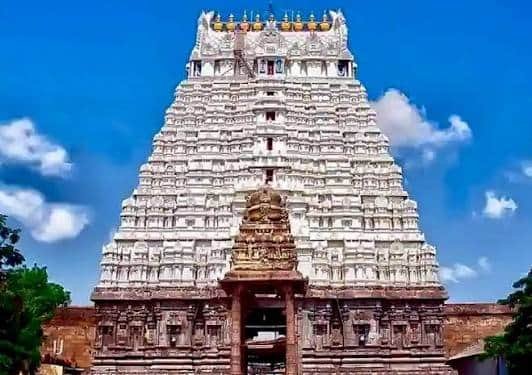
Located in the heart of Tirupati, Sri Govindaraja Swamy Temple is one of Andhra Pradesh’s oldest and most important Vaishnava pilgrimage centres. Dedicated to Lord Govindaraja, a form of Lord Vishnu, the temple is known for its towering Rajagopuram, stone architecture, traditional worship, and close association with Tirumala Venkateswara Temple. According to TTD, Sri Ramanujacharya consecrated the shrine in 1130 CE. The temple follows Vaikhanasa Agama rituals and is managed by Tirumala Tirupati Devasthanams (TTD). This guide covers timings, history, transport, the best visiting season, attractions and practical arrangements.
Govindaraja Swamy Temple Timings, Entry Fees and Pujas
The temple generally opens at 5:00 AM with Suprabhata Seva and closes at 9:00 PM with Ekantha Seva. These are temple operating hours, not uninterrupted public darshan times. Darshan pauses during rituals and festivals.
Govindaraja Swamy Temple Darshan Timings
| Activity | Timing |
| Temple opening / Suprabhata Seva | 5:00 AM |
| Thomala Seva | 6:30–7:00 AM |
| Sahasranamarchana | 7:30–8:00 AM |
| Archanananthara Darshan | 8:00–8:30 AM |
| Other daytime and evening darshan | Subject to ritual breaks |
| Ekantha Seva / temple closing | 9:00 PM |
| Open days | All days |
Entry Fees and Special Darshan
General Sarva Darshan is free. TTD’s published temple page lists the following charges, but these are not confirmed current counter prices and must be checked before booking.
| Service | Published charge |
| General darshan | Free |
| Special entrance | ₹5 |
| Quick Darshan | ₹20 |
| Suprabhatam / Thomala Seva | ₹10 each |
| Sahasranamarchana / Archanananthara Darshan | ₹10 each |
| Ekantha Seva | ₹10 |
Daily Pujas and Dress Code
Suprabhata Seva awakens the Lord; Thomala Seva involves floral decoration; Sahasranamarchana is the recitation of sacred names; Ekantha Seva concludes the day. Visitors should wear modest clothing. A dhoti or full-length trousers are suitable for men; a saree, half-saree or salwar kameez is appropriate for women. Some paid sevas may impose stricter clothing rules. Follow security instructions for mobile phones, cameras and baggage; photography is restricted in sensitive worship areas.
Govindaraja Swamy Temple History and Religious Significance
Origin and Sri Ramanujacharya
TTD records that Sri Ramanujacharya consecrated the temple in 1130 CE. Before Govindaraja Swamy became the principal deity, Sri Parthasarathi Swamy was worshipped as the presiding deity. The Parthasarathi shrine remains within the complex, preserving this older religious association.
The Significance of Lord Govindaraja
Lord Govindaraja is worshipped as a reclining form of Vishnu. Local devotional tradition associates him with the divine wealth of Lord Venkateswara and the arrangements for his marriage to Goddess Padmavathi. Pilgrims seek blessings for family welfare, prosperity and relief from debts. These accounts are religious traditions, not independently verified historical events.
Temple Architecture and Traditions
The impressive multi-tiered Rajagopuram dominates the surrounding Tirupati streets. Its Dravidian temple complex includes spacious courtyards, mandapams, sculpted pillars and shrines for Sri Parthasarathi, Sri Kalyana Venkateswara, Goddess Andal and Goddess Pundarikavalli. The temple tank is used in religious celebrations. Worship follows Vaikhanasa Agama practices; important festivals and rituals also honour the Tamil Vaishnava Alwar poet-saints.
How To Reach Govindaraja Swamy Temple
The shrine stands in central Tirupati, close to the railway station and city transport. Distances below are approximate.
| Transport | Access point | Approximate distance |
| Air | Tirupati International Airport | 15–18 km |
| Rail | Tirupati Railway Station | 1–2 km |
| Rail | Renigunta Junction | 12–15 km |
| Road | Tirupati Central Bus Station | 2–3 km |
| Road | Tiruchanur Padmavathi Temple | 5–7 km |
| Road | Chennai | 135–155 km |
| Road | Bengaluru | 250–270 km |
By Air
Tirupati International Airport near Renigunta is the nearest airport. Travellers can continue by cab to the city. Chennai is an alternative for those without a convenient Tirupati flight.
By Train
Tirupati Railway Station is approximately 1–2 km away. Auto-rickshaws and taxis are normally available, and some visitors can reach the temple on foot. Renigunta Junction is useful for long-distance trains.
By Road
APSRTC and other bus operators serve Tirupati from cities including Chennai and Bengaluru. Local taxis, buses and auto-rickshaws connect the temple to the wider city. The narrow approach streets can become congested during festivals.
Best Time To Visit Govindaraja Swamy Temple
November to February offers the most comfortable weather for sightseeing and temple visits. Summers are hot, while rain can affect outdoor plans.
| Season | Months | Conditions |
| Winter | November–February | Pleasant; best overall |
| Summer | March–May | Hot; visit early |
| Monsoon | June–September | Humid, occasional heavy rain |
| Post-monsoon | October–November | Improving weather |
Major Festivals
Annual Brahmotsavam is usually celebrated in Vaishakha; in 2026 it ran from May 23 to 31, including Garuda Seva and Rathotsavam. The 2026 Teppotsavam float festival took place January 26–February 1. Sri Andal Thiruvadipuram was observed August 5–14, 2026. Pournami Garuda Seva processions also take place on full-moon days. Festival darshan arrangements can differ from the regular schedule.
Nearby Attractions in Tirupati
Sri Venkateswara Swamy Temple at Tirumala: Around 22–26 km by hill road from central Tirupati, it is the region’s main Balaji shrine. Tiruchanur Padmavathi Ammavari Temple: Approximately 5–7 km away, dedicated to Goddess Padmavathi. Kapila Theertham: Roughly 4–5 km from the city centre, a Shiva shrine beside the Tirumala foothills. Sri Kodandarama Swamy Temple: A historic Rama temple within Tirupati, convenient for a city pilgrimage itinerary.
Accommodation and Essential Travel Tips
Tirupati has hotels, budget lodges and pilgrim accommodation in several areas. Those combining a Tirumala darshan with the city temples should reserve transport and accommodation in advance. Book authorised TTD accommodation and sevas through ttdevasthanams.ap.gov.in. Carry a valid ID, dress respectfully, allow time for security checks and expect extra queues during festival processions. TTD reported in May 2026 that the Govindaraja temple Annaprasadam service feeds over 3,000 devotees daily and had expanded into evenings in February; confirm current meal-service hours locally.
Frequently Asked Questions About Govindaraja Swamy Temple
Q1. What are Govindaraja Swamy Temple opening and closing timings?
The temple generally opens around 5:00 AM and closes at 9:00 PM. Darshan may pause for pujas, offerings and festival activities.
Q2. Is general darshan free?
Yes. General Sarva Darshan is free. TTD also publishes charges for some faster entry options and sevas; confirm current rates before buying.
Q3. How far is the temple from Tirupati Railway Station?
It is about 1–2 km away. Visitors can hire an auto-rickshaw or taxi, and some may prefer walking.
Q4. Who built Govindaraja Swamy Temple?
TTD attributes the consecration of the temple in 1130 CE to Sri Ramanujacharya. The site also preserves older Parthasarathi Swamy worship traditions.
Q5. What is the best time to visit the temple?
November to February offers generally pleasant weather. Early morning is a convenient choice during hot months.
Q6. Can Govindaraja Swamy Temple and Padmavathi Temple be visited in one day?
Yes. Tiruchanur Padmavathi Temple is only about 5–7 km away. Allow additional travel and queue time, particularly on Fridays and festival days.