 By Meghna Sharma
In the busy streets of South Delhi, Kalkaji Temple remains a place of devotion where the sound of bells and prayers rises above the city’s traffic. Dedicated to Goddess Kalka, a fierce and protective form of Goddess Kali, this important shrine draws worshippers from Delhi and neighbouring states throughout the year. It becomes especially lively during Chaitra and Sharad Navratri, when long queues, flower offerings and devotional singing transform the neighbourhood.
Situated near Nehru Place and the Lotus Temple, the shrine is also among Delhi’s easiest pilgrimage destinations to reach by metro. Its sacred identity is rooted in ancient Hindu tradition, while the present building reflects construction and restoration during more recent centuries. Visitors can combine a morning darshan with other notable attractions in South Delhi.
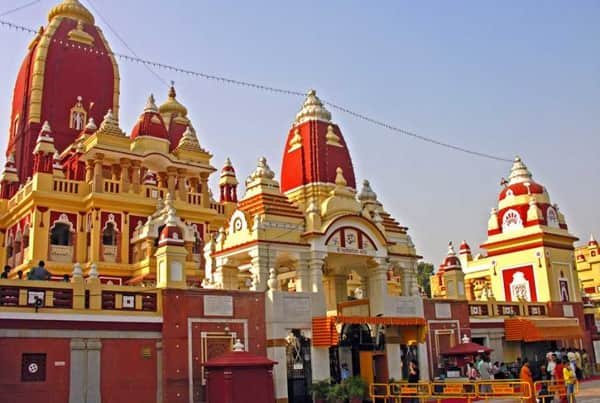
This guide explains Kalkaji Temple timings, aarti schedules, entry arrangements, religious history, transport options and the best season for a comfortable visit.
Kalkaji Temple Timings, Entry Fees and Aarti
Kalkaji Mandir generally opens at 4:00 AM and closes at 11:30 PM. The published visitor schedule includes short midday and afternoon closures. Arriving during these intervals can mean waiting outside, so plan around them rather than assuming uninterrupted darshan throughout the day.
Kalkaji Temple Darshan Timings
| Activity | Published timing |
| Morning darshan | 4:00 AM – 11:30 AM |
| Midday bhog break | 11:30 AM – 12:00 PM |
| Afternoon darshan | 12:00 PM – 3:00 PM |
| Cleaning break | 3:00 PM – 4:00 PM |
| Evening darshan | 4:00 PM – 11:30 PM |
| General entry fee | Free |
| Visiting days | All days, subject to special arrangements |
These periods follow the Delhi tourism listing. Temple access and the route to the sanctum may change during Navratri, police-managed crowd control or major religious ceremonies.
Morning and Evening Aarti
Morning aarti is commonly held around 6:30–7:00 AM, with evening aarti around 8:30–9:00 PM, although other published schedules differ. Worship includes bathing and decorating the deity, offerings of flowers and prasad, and the lighting of sacred lamps. The exact sequence depends on the day’s religious observances. Devotees hoping to attend a particular aarti should ask the temple staff about that day’s arrangements rather than relying on a precise online minute-by-minute timetable.
Entry Fee, Puja Offerings and Temple Rules
Ordinary darshan is free. Flowers, coconuts, sweets and other puja materials can be purchased at stalls around the approach road, but these are optional offerings rather than an admission requirement. A reliable official public tariff for VIP darshan could not be established, so avoid purchasing supposed priority passes from unauthorised sellers.
Modest clothing is appropriate. Remove footwear at a designated stand and carry as few belongings as possible. Photography around the inner shrine may be restricted; always follow instructions displayed on the premises. During festival queues, bags may be inspected and some entry routes may operate in one direction only.
Kalkaji Temple History and Religious Significance
The Legend of Goddess Kalka
Hindu tradition associates this sacred site with Goddess Kali’s victory over destructive forces. One well-known narrative links her manifestation to the defeat of the demon Raktabija, whose spilled blood was said to create more demons. The Goddess overcame him and restored order. Devotees therefore worship Maa Kalka as a source of courage, protection and strength in difficult circumstances.
The shrine is sometimes described in religious accounts as a *Siddha Peetha*, or a place of powerful devotion. These stories belong to its sacred tradition and should not be confused with a verifiable calendar date for the establishment of the temple. Worshippers commonly offer red chunris, flowers and prayers for family well-being.
When Was the Present Temple Built?
The living tradition of worship may be considerably older than the surviving building. The Government of India’s National Mission on Monuments and Antiquities records the monument as an eighteenth- to nineteenth-century structure. Its account associates construction around 1764 with the Marathas and mentions additions in 1816 by Mirza Raja Kidar Nath, an official during the reign of Akbar II.
This distinction matters: calling the current marble-clad building thousands of years old would confuse mythic antiquity with documented architectural history. Subsequent repairs and changes have also shaped how the shrine appears today.
Architecture and Worship Traditions
The main shrine has a distinctive circular arrangement of spaces around the sanctum, with domed and pillared elements shaped by different phases of rebuilding. Red devotional flags and the constant movement of pilgrims give the temple a recognisable atmosphere. Unlike archaeological monuments visited mainly for photography, Kalkaji remains an active worship centre where ritual use is central to the experience.
During the two Navratri festivals, temporary arrangements accommodate larger numbers of devotees. Bhajans, special aartis, fasting observances and offerings make these celebrations especially meaningful, although the crowded approach can challenge visitors with limited mobility.
How To Reach Kalkaji Temple
The temple stands on Ma Anandmayee Marg, near Nehru Place in South Delhi. Delhi Metro is usually the simplest transport option, particularly when traffic and parking are difficult.
| Transport | Access point or route | Approximate distance |
| By metro | Kalkaji Mandir, Violet/Magenta interchange | Short walk to temple area |
| By metro | Okhla NSIC, Magenta Line | Around 1 km, route dependent |
| By train | New Delhi Railway Station | Around 15–18 km by road |
| By train | Hazrat Nizamuddin Railway Station | Around 8–10 km by road |
| By air | Indira Gandhi International Airport | Around 18–22 km by road |
| By road | Nehru Place / Outer Ring Road approaches | Local road access |
By Metro
Alight at Kalkaji Mandir Metro Station, served by the Violet and Magenta lines. Follow signs for Kalkaji and the temple approaches. Exit choice can change the walking distance, and pedestrian diversions may be introduced during festivals. E-rickshaws or autos may help visitors who cannot comfortably walk.
By Train or Air
Passengers arriving at New Delhi or Hazrat Nizamuddin stations can continue by metro or cab. From Delhi airport, travellers can use the Metro network with necessary changes or book a taxi. Journey time varies dramatically with traffic, so allow extra time for a same-day train or flight connection.
By Road
Taxis, city buses and private cars can reach the Kalkaji area. The final roads are often congested, particularly during Navratri and Sunday mornings. Parking is limited near crowded access routes; follow local police directions and do not leave vehicles in restricted lanes.
Best Time To Visit Kalkaji Temple
October to March offers the most comfortable weather for a South Delhi temple visit. Winters can be chilly and occasionally foggy, while summer afternoons are often very hot. For a quieter experience, choose an ordinary weekday rather than a festival day.
| Season | Months | Travel conditions |
| Winter | November–February | Cooler weather; pleasant for walking |
| Spring | March–April | Comfortable days; Chaitra Navratri crowds |
| Summer | May–June | Hot conditions; early darshan preferable |
| Monsoon | July–September | Humid, with possible waterlogging |
| Autumn | October | Pleasant transition; Sharad Navratri rush |
Major Festivals
Chaitra Navratri in March or April and Sharad Navratri in September or October are the temple’s signature celebrations. Thousands come for darshan, especially around Ashtami and Navami. The atmosphere is vibrant, but queues can be considerably longer. Plan for extra security checks, transport diversions and slow-moving crowds. Fridays and Sundays can also be busier than ordinary weekdays.
Nearby Attractions in South Delhi
Lotus Temple: This striking Bahá’í House of Worship is close to Kalkaji. Its white petal-like architecture and quiet prayer hall attract visitors of all faiths. It is generally closed to visitors on Mondays, so check its own schedule before combining visits.
ISKCON Temple, East of Kailash: Dedicated to Sri Sri Radha Parthasarathi, this is another major devotional destination with a distinctly different tradition and a museum-style spiritual experience.
Nehru Place: The commercial district is convenient for meals, shopping and metro connections, though it is not itself a religious attraction.
Humayun’s Tomb: A worthwhile heritage stop for visitors spending a full day in Delhi, reached by a separate road or metro journey.
Accommodation and Practical Travel Tips
South Delhi has hotels across several budgets, particularly around Nehru Place, Greater Kailash and nearby transit corridors. Visitors coming mainly for darshan need not stay directly beside the shrine. Carry water in warm weather, keep footwear easily identifiable, and avoid bringing heavy bags. During Navratri, reach early and consider whether elderly family members can manage the expected standing time.
Frequently Asked Questions About Kalkaji Temple
Q1. What are Kalkaji Temple opening and closing timings?
The published schedule runs from 4:00 AM to 11:30 PM, with closures from 11:30 AM to noon and 3:00 PM to 4:00 PM. Festival arrangements may differ.
Q2. Is there an entry fee for Kalkaji Mandir?
No. General entry and darshan are free. Devotees may purchase offerings voluntarily, but these are not mandatory tickets.
Q3. Which metro station is nearest to Kalkaji Temple?
Kalkaji Mandir station, an interchange for the Violet and Magenta lines, is the most convenient choice for most visitors.
Q4. What are the morning and evening aarti timings?
Morning aarti is commonly listed around 6:30–7:00 AM and evening aarti around 8:30–9:00 PM. Confirm the day’s schedule locally.
Q5. Is Kalkaji Temple crowded during Navratri?
Yes. Both Chaitra and Sharad Navratri attract very large numbers of worshippers. Allow more time and follow crowd-management instructions.
Q6. Can I visit Kalkaji Temple and Lotus Temple together?
Yes. They are close to each other. Allow sufficient time for security and walking, and remember that Lotus Temple has separate opening hours and usually closes on Mondays.