 By Meghna Sharma
Dharmasthala is more than a famous pilgrimage destination in Karnataka. It is a sacred place where devotion, charity, and religious harmony have flourished for centuries. Located amid the greenery of the Western Ghats in Dakshina Kannada district, near the Nethravathi River, Shri Kshetra Dharmasthala is home to the revered Shri Manjunatha Swamy Temple, dedicated to Lord Shiva.
What makes Dharmasthala remarkable is its unusual religious tradition. Although Lord Shiva is worshipped here, the temple is administered by the Jain Heggade family, while daily rituals are performed by Madhwa Vaishnava Brahmin priests. This centuries-old arrangement reflects Dharma: righteousness, compassion, service, and moral duty.
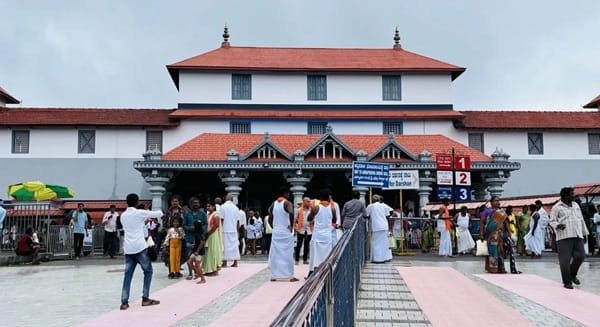
The temple is equally famous for its Annadana tradition, providing free meals to thousands of pilgrims every day. Whether you are planning a family pilgrimage or a spiritual road trip, this guide covers history, timings, darshan, transportation, accommodation, and nearby attractions.
Dharmasthala Temple Timings, Entry Fees and Pujas
The temple gates open early, but public darshan follows separate hours. Temporary interruptions occur for Mahapooja and other rituals.
| Activity | Timings |
| Temple gates open | 4:00 AM |
| Morning darshan | 6:30 AM – 11:00 AM |
| Midday Mahapooja | Around 12:00 PM |
| Afternoon darshan | 12:15 PM – 2:30 PM |
| Evening darshan | 5:00 PM – 8:30 PM |
| Evening Mahapooja | 8:30 PM |
Entry Fees and Special Darshan
General Sarva Darshan is free. Special or Sannidhana Darshan may be available for visitors seeking an alternative queue. Approximately ₹200 is sometimes quoted, but the current price and availability could not be confirmed on the official website. Check authorised counters and avoid unauthorised agents.
Free Annaprasada Timings
| Days | Daytime dining | Evening dining |
| Sunday and Monday | 10:30 AM – 4:00 PM | 7:00 PM – 10:00 PM |
| Tuesday to Saturday | 11:00 AM – 2:45 PM | 7:00 PM – 10:00 PM |
Dress Code and Temple Rules
Men must remove shirts and vests when entering the sanctum area. Dhoti or appropriate full-length trousers are suitable; half-pants are prohibited. Women should choose modest clothing such as sarees or salwar kameez; nighties are prohibited. Mobile phone use within temple premises is forbidden. Photography is restricted in worship areas. Bags and food are not permitted inside, so enquire about authorised storage. Children below two years are not allowed in the sanctum sanctorum.
Dharmasthala Temple History and Religious Significance
The Legend of Birmanna Pergade and the Dharma Daivas
The history of Dharmasthala stretches back approximately 800 years, when the settlement was known as Kuduma. According to temple tradition, Jain chieftain Birmanna Pergade lived with his wife, Ammu Ballalthi, at Nelyadi Beedu. The couple was admired for offering food and shelter to visitors.
One day, four divine guardians of Dharma reportedly arrived in disguise. Impressed by the couple’s hospitality, they appeared to Birmanna in a dream and directed him to devote his home and life to promoting Dharma. The four guardian deities were Kalarahu, Kalarkai, Kanyakumari, and Kumaraswamy. Pergade established shrines for their worship, laying the foundation of the site’s traditions.
Installation of the Sacred Shiva Linga
The priests invited to conduct worship requested installation of a Shiva Linga. According to local belief, the Dharma Daivas instructed Annappa Swamy to bring the Linga from Kadri, near Mangaluru. It became the central object of worship as Lord Manjunatheshwara.
In the 16th century, Madhwa saint Sri Vadiraja Swamy of Udupi visited at Devaraja Heggade’s invitation. Temple tradition says he performed Vedic consecration and gave the village the name Dharmasthala, the abode of Dharma. These are preserved religious narratives rather than independently established historical facts.
Architecture and Sacred Traditions
The temple reflects coastal Karnataka’s Kerala-influenced architecture, with sloping tiled roofs, wooden elements, and sheltered corridors. Its charitable practice of Chaturdana includes Annadana, or the offering of free food. The Annapoorna dining complex can feed tens of thousands of pilgrims daily. The Manjusha heritage collections help preserve the region’s art, manuscripts, and cultural traditions.
How To Reach Dharmasthala Temple
Mangaluru is the most convenient hub for visitors arriving by plane or railway. Road connections link Dharmasthala with major Karnataka cities.
| Transport | Nearest connection or route | Approx. distance |
| Air | Mangalore International Airport (IXE) | 65–75 km |
| Train | Mangaluru Central / Junction | 74–80 km |
| Train | Subrahmanya Road Railway Station | 55–65 km |
| Road | Mangaluru | 75 km |
| Road | Bengaluru | 300–320 km |
| Road | Udupi | 110–120 km |
| Road | Mysuru | 230–260 km |
By Air
Mangalore International Airport is the nearest airport. After landing, visitors can take a taxi or private cab; road travel often takes about two hours, depending on traffic.
By Train
Mangaluru Central and Mangaluru Junction connect with major cities. Continue to Dharmasthala by bus or taxi. Subrahmanya Road is an alternative for some routes, but plan the onward road connection carefully.
By Road
KSRTC and private buses serve Dharmasthala from Mangaluru, Bengaluru, Udupi, and other towns. From Bengaluru, routes pass through Hassan and Western Ghats roads such as Charmadi or Shiradi Ghat. Check monsoon restrictions and avoid unnecessary nighttime ghat driving.
Best Time to Visit Dharmasthala Temple
November to February offers relatively pleasant Western Ghats weather, making it the ideal period for families and pilgrims. Weekdays generally provide a calmer experience than festival days.
| Season | Months | Travel conditions |
| Winter | November–February | Pleasant; ideal for visiting |
| Summer | March–May | Warm and humid; visit early |
| Monsoon | June–August | Heavy rain; possible road disruptions |
| Post-monsoon | September–October | Green landscape; occasional showers |
Important Festivals
Laksha Deepotsava is a five-day festival of lights during Kartika, usually in November or December, featuring lamps, processions, cultural events, and interfaith discussions. Maha Shivaratri, usually in February or March, brings special prayers and night-long devotional singing. Pattamahotsava relates to the Heggade family’s ceremonial heritage. The annual Jathre in April is another important celebration.
Nearby Attractions in Dharmasthala
The 39-foot monolithic Bahubali Statue on Ratnagiri Hill, approximately one kilometre from the temple, symbolises Jain renunciation. Manjusha Vintage Car Museum houses historic vehicles. The Nethravathi River Bathing Ghat is a traditional pilgrimage stop; follow river-safety notices in the rainy season. Kukke Subramanya Temple, around 55 km away, is a popular addition to a two-day itinerary.
Accommodation and Practical Travel Tips
The temple trust operates pilgrim guesthouses. Reserve rooms through its official portal, bookings.shridharmasthala.org, especially on weekends, holidays, and festival dates. Carry valid identification for check-in and keep necessary medicines, drinking water, and comfortable walking footwear. Set aside at least a full day for a relaxed Dharmasthala visit and two days if including Kukke Subramanya.
Frequently Asked Questions About Dharmasthala Temple
Q. Is there an entry fee or special pass for Dharmasthala Darshan?
General darshan is free. Special arrangements may exist, but confirm the current fee and availability directly at authorised temple counters.
Q. What is the dress code for visiting Dharmasthala Temple?
Men remove shirts and vests before entering the sanctum; full-length trousers or dhotis are appropriate. Women should wear modest traditional clothing. Shorts and nighties are prohibited.
Q. Are mobile phones and cameras allowed inside the temple premises?
Mobile phone use is prohibited. Photography and filming are restricted in worship areas; follow security directions.
Q. How far is Kukke Subramanya Temple from Dharmasthala?
It is approximately 55 km by road, usually around one to two hours depending on road conditions.
Q. Is free food (Annadana) provided at the temple, and what are the timings?
Yes. Free daytime meals are served 10:30 AM–4:00 PM on Sunday and Monday, and 11:00 AM–2:45 PM Tuesday to Saturday. Evening dining is 7:00–10:00 PM daily.
Q. Can senior citizens or families with small children get priority queue access?
Ask temple assistance staff whether support is available on the day. Priority access is not guaranteed. Children under two are not permitted in the sanctum sanctorum.