 By Meghna Sharma
Hidden among the forested hills and Sharavathi backwaters of Karnataka, Sigandur Chowdeshwari Temple has grown from a remote village shrine into an important centre of Goddess worship. Located in the Sagara taluk of Shivamogga district, the temple is dedicated to Sri Chowdeshwari Devi, affectionately called Chowdamma. Devotees visit seeking strength, protection and relief from life’s difficulties, while the surrounding landscape makes the journey memorable for road trippers.
For many years, reaching Sigandur involved crossing the Sharavathi backwaters by ferry. The new bridge has changed the journey, making road access more convenient and allowing additional buses to serve the shrine. Another practical update matters just as much: the temple administration has extended its daily closing time to 9:00 PM.
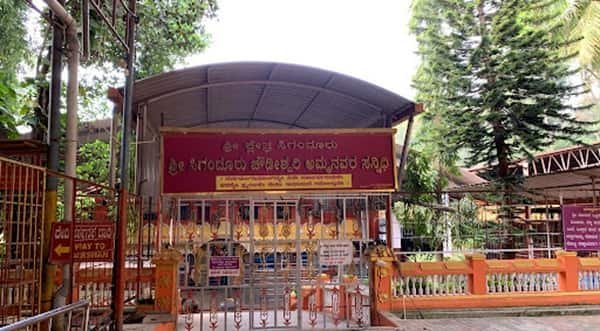
This guide brings together the latest published darshan hours, the shrine’s unusual modern history, transport routes, festivals, free-meal arrangements and important facilities for families.
Sigandur Chowdeshwari Temple Timings, Entry Fees and Pujas
According to the temple trust’s published daily routine, Sigandur opens at 5:00 AM, closes for an afternoon break from 2:30 PM to 4:00 PM, and remains open until 9:00 PM. The administration announced the extended evening hours in February 2026, replacing the older 6:30 PM closing time still seen on some travel pages.
Sigandur Chowdeshwari Temple Darshan Timings
| Activity | Officially published timing |
| Temple opens | 5:00 AM |
| Morning and daytime darshan | 5:00 AM – 2:30 PM |
| Afternoon closure | 2:30 PM – 4:00 PM |
| Evening darshan | 4:00 PM – 9:00 PM |
| Evening sevas | Not normally performed during 4:00–9:00 PM darshan |
| Weekends and public holidays | Normally same opening hours |
| Festival and special days | Schedule may change |
Devotees should note that the temple website also distinguishes its office hours from worship hours. During Amavasya, Pournami and special Jatre celebrations, consult the administration for any queue or schedule changes.
Major Sevas and Daily Worship
The Goddess receives Abhisheka, Alankara and traditional pujas. Ritual offerings may include Kumkumarchane, flower worship, Chandika Homa and sacred recitations. The trust provides an online service for certain seva bookings and offerings through its own website.
Ordinary darshan is not dependent on purchasing a donation. During special days, the trust specifically states that making a donation does not automatically provide special entrance. Check the official counter for the applicable seva options and any queue-management arrangements rather than relying on agents.
Free Annadana Timings
| Meal | Official timing |
| Morning meal | 7:00 AM – 9:00 AM |
| Afternoon meal | 12:00 PM – 3:00 PM |
| Evening meal | 7:30 PM – 9:30 PM |
The temple publishes three daily free-meal sessions. These are dining hours, not darshan sessions, so visitors may still be able to eat after the main shrine has closed for the night.
Dress Code and Restrictions
The trust says there is no highly specific prescribed outfit, but shorts for men and Western-style dress for women are not allowed. Modest traditional clothing is the safest option. The temple prohibits mobile phone use inside its premises, food in the worship area, smoking and spitting. Visitors should cooperate with bag checks and use the lockers near the entrance where needed.
Sigandur Chowdeshwari Temple History and Religious Significance
The Goddess of the Sharavathi Backwaters
Sigandur’s religious story begins with Chowdamma, revered in local tradition as a powerful protecting deity of farming communities. The surrounding hills, streams and forest groves shaped her worship long before the present building was constructed. Devotees regard her as a guardian who listens to their difficulties and supports those seeking justice and security.
The original sacred site was associated with a stone beneath a large tree near the Sharavathi’s tributaries. When the Linganamakki reservoir changed the landscape, parts of the earlier settlement and shrine area were submerged. The continuing memory of that site is central to the temple’s identity.
How the Present Temple Was Established
The trust’s own historical account gives unusually detailed dates. It recalls the efforts of Ramappa, who experienced repeated dreams connected with worship of Chowdamma. A new temple was begun around 1987, with local residents carrying building materials to the difficult-to-access site.
Ceremonies connected with installing the Goddess were held in February 1990. Later additions included a larger darshan area, facilities for religious offerings, pilgrim accommodation and a community dining hall. The history is therefore not simply the story of an ‘ancient building’: an older village tradition developed into a modern pilgrimage centre through community effort.
Temple Architecture and Living Traditions
The shrine combines a sanctum dedicated to the Goddess with halls for worship, ritual activities and visitors. Its location between the forest and backwaters is an essential part of the experience. The daily programme includes Trikala Puja and offerings, while special days bring devotees from across Karnataka.
Amavasya and Pournami are particularly important in the local religious calendar. The trust publishes dates and special arrangements, but pilgrims should verify the day’s actual darshan system before travelling.
How To Reach Sigandur Chowdeshwari Temple
The opening of the new bridge across the Sharavathi backwaters has made all-road access possible on routes that once depended on a ferry. It remains a remote hill-and-water destination, so planning the last leg matters.
| Transport | Access point or route | Approximate distance |
| By train | Sagara Jambagaru Railway Station | Around 45 km |
| By air | Shivamogga Airport | Around 105 km |
| By air | Mangaluru International Airport | Around 188 km |
| By road | Sagara – Holebagilu – new bridge – temple | Road route; distance varies |
| By road | Shivamogga – Hosanagara – Nittur – temple | Alternative hill approach |
| By bus | KSRTC services via Sagara or other regional routes | Verify departures |
By Train
Sagara Jambagaru is the nearest practical station identified on the temple’s official route page. From there, travellers can continue by taxi, bus or local vehicle via Holebagilu and the new bridge. Check onward service times before booking a train arriving late at night.
By Air
The trust lists Shivamogga Airport at approximately 105 km and Mangaluru International Airport at approximately 188 km. Airline connectivity should be checked separately. Hiring a car from a regional hub usually provides greater flexibility than relying on multiple public transport connections.
By Road and Bus
From Sagara, travel towards Holebagilu and cross the new bridge to the temple. The official website also lists an approach via Hosanagara and Nittur from Shivamogga. Buses now operate more directly to Sigandur, including some KSRTC services from Bengaluru.
Do not assume that older ferry-only directions still apply. Sections after Nittur are narrow, winding and poorly lit, so daylight driving is preferable, particularly in monsoon weather.
Best Time To Visit Sigandur Chowdeshwari Temple
October to February is ideal for a comfortable temple trip and scenic road journey. The region is greener during the monsoon, but heavy rain can complicate travel on narrow hill roads.
| Season | Months | Travel conditions |
| Winter | November–February | Comfortable for darshan and road trips |
| Summer | March–May | Warm; reservoir levels may be lower |
| Monsoon | June–September | Heavy rain, mist and difficult hill driving |
| Post-monsoon | October | Green landscape and generally improving conditions |
Major Religious Occasions
Amavasya and Pournami draw devotees for special observances. The shrine also celebrates annual Jatre events and important Goddess worship days. Crowds may be substantial even when weather is comfortable. The trust publishes a calendar of lunar observances, so check the relevant date before arranging transport or lodging.
Nearby Attractions Around Sigandur
Jog Falls: Approximately 60 km away according to the temple’s route page, this famous waterfall is especially dramatic after heavy rain, when sightseeing conditions must also be assessed carefully.
Ikkeri Aghoreshwara Temple: Roughly 30 km away, a historic temple known for its stone architecture and ties to the Keladi Nayakas.
Keladi: About 43 km from Sigandur, this former regional capital has important historic shrines and a distinctive heritage setting.
Sharavathi backwaters: Views of the reservoir and the new bridge are memorable parts of the journey. Stop only at safe, designated points and do not enter the water casually.
Accommodation and Practical Travel Tips
The temple says it maintains more than 50 rooms, but rooms are allotted in person, subject to availability; it does not offer online or telephone room reservations. Rooms may be released around 5:00 PM. For more predictable lodging, consider Sagara or Shivamogga.
The temple provides lockers, washrooms and free meals. Mobile coverage is limited in parts of the region, and the trust advises carrying cash because an ATM is not available near the shrine. Its published contact number is 08186-295104. Reach early on major worship days and avoid unplanned night driving.
Frequently Asked Questions About Sigandur Chowdeshwari Temple
Q1. What are the latest Sigandur Temple timings?
The temple opens at 5:00 AM, closes from 2:30 PM to 4:00 PM, and offers evening darshan until 9:00 PM under its updated schedule.
Q2. Is the ferry still necessary to reach Sigandur?
No. The new bridge provides an all-road route. Ferry services and older transport descriptions should not be assumed necessary for the current journey.
Q3. Is free food provided at the temple?
Yes. The published meal sessions are 7:00–9:00 AM, noon–3:00 PM and 7:30–9:30 PM.
Q4. Can I book a temple room online?
No. The trust says room allotment is made only during an in-person visit, based on availability.
Q5. What is the dress code for Sigandur Temple?
The trust prohibits shorts for men and Western-style dress for women. Traditional and modest clothing is recommended for an easier visit.
Q6. Which is the nearest railway station to Sigandur Temple?
Sagara Jambagaru is the nearest practical station cited by the temple, about 45 km away by road.