 By Meghna Sharma
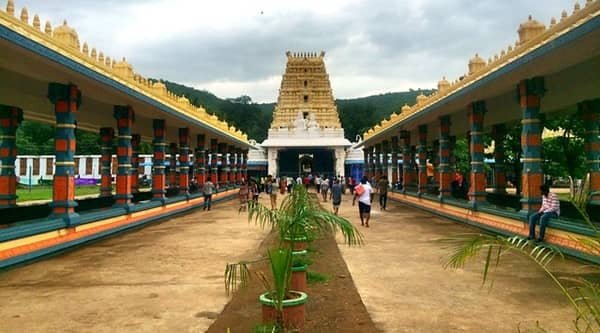
At the edge of the Nallamala Hills in Andhra Pradesh, Mahanandi Temple is known for something unusual even among ancient Shiva shrines: a steady flow of clear spring water that feeds sacred pools throughout the year. Dedicated to Sri Mahanandeeswara Swamy, a form of Lord Shiva, the temple stands among wooded hills approximately 14–17 km from Nandyal town. Its tranquil setting combines pilgrimage, historic architecture and a remarkable natural water system.
Mahanandi is the best-known shrine in the Nava Nandi group of nine temples associated with Nandi, the sacred bull of Lord Shiva. Devotees come for darshan, traditional pujas and ritual bathing in the temple’s pushkarinis. The surrounding forests and relatively small-town atmosphere offer a different experience from Andhra Pradesh’s larger pilgrimage complexes.
For a comfortable visit, travellers should understand the darshan schedule, rules for the water tanks and transport arrangements before setting out. The following guide brings those details together with the temple’s history and nearby attractions.
Mahanandi Temple Timings, Entry Fees and Pujas
Mahanandi’s public timings are commonly published as 4:30 AM to 1:00 PM and 2:00 PM to 9:30 PM. These periods appear in visitor guides, but a current minute-by-minute timetable could not be independently verified from the Andhra Pradesh Endowments Department. Treat them as planning hours, particularly if you are travelling from another city.
Mahanandi Temple Darshan Timings
| Activity | Reported timing or status |
| Morning opening | Around 4:30 AM |
| Morning darshan | Approximately 4:30 AM – 1:00 PM |
| Midday closure | Approximately 1:00 PM – 2:00 PM |
| Afternoon and evening darshan | Approximately 2:00 PM – 9:30 PM |
| General darshan | Normally available without an admission fee |
| Special pujas and abhishekams | Separate arrangements and charges may apply |
| Festival days | Timings may change |
These are reported hours, not a freshly confirmed official schedule. Enquire at the temple counter or through the Andhra Pradesh Endowments Department’s official temple services before planning a late-night arrival.
Daily Worship and Important Sevas
The main deity is Sri Mahanandeeswara, worshipped in Shiva Linga form. Daily observances traditionally include Abhishekam, Archana, Alankaram and offerings made by temple priests. On Mondays and Pradosham days, worship of Lord Shiva draws additional devotees. Maha Shivaratri is an especially important occasion.
Temple visitors may enquire about Rudrabhishekam, special Archana and other services at the authorised counter. Published third-party fee lists vary, and no current official tariff could be confirmed for all services; therefore, it is better not to quote a fixed special-darshan or abhishekam price without verification.
Sacred Pools and Bathing Rules
Mahanandi is known for its Pushkarini, a sacred stepped water tank fed by perennial springs. Many devotees bathe before darshan, following the local custom of purification. Bathing permission, separate facilities and the use of specific tanks can depend on current temple instructions.
The water can be clear without being automatically safe to drink. Avoid soaps or shampoos in sacred pools, supervise children closely and never enter a tank if signs or staff prohibit access. Visitors with wounds or health concerns may prefer to avoid immersion.
Dress Code and Temple Etiquette
Dress traditionally and modestly. A dhoti or full-length trousers is appropriate for men; women commonly wear sarees or salwar kameez. Those planning a ritual bath should carry a change of clothes and use designated changing areas. Do not assume that wet bathing clothes are acceptable for every worship area. Photography near the sanctum and use of phones may be restricted; follow on-site directions.
Mahanandi Temple History and Religious Significance
The Meaning of Nava Nandi
Mahanandi is one of nine Shiva shrines called the Nava Nandis in the Nandyal region. Their names are commonly given as Mahanandi, Shivanandi, Vinayakanandi, Somanandi, Prathamanandi, Garudanandi, Suryanandi, Krishnanandi or Vishnunandi, and Naganandi. Pilgrims sometimes visit several shrines in a single circuit, although some are located off the main road.
The association with Nandi reflects Lord Shiva’s sacred vehicle and attendant, revered as a symbol of steadfast devotion. Worshippers often combine the central Mahanandi temple with nearby shrines according to local custom and available transport.
How Old Is Mahanandi Temple?
The Nandyal district administration dates Mahanandiswara Temple to the seventh century CE. This is a useful historically grounded reference, rather than an unsupported claim that all visible structures are thousands of years old. The temple complex has undergone additions and repairs across different periods, as is common at living pilgrimage sites.
The exact chronology of individual structures requires careful historical study. Its longstanding reputation is nevertheless clear from regional religious traditions and the continued importance of the shrine to devotees from Andhra Pradesh, Telangana and neighbouring states.
Architecture and the Perennial Springs
The complex includes a sanctum, pillared structures, open courtyards and stone-lined tanks. The most distinctive sight is its spring-fed pool, famous for unusually clear water and a continuous supply. The Nandyal district website specifically highlights the perennial springs as Mahanandi’s defining natural feature.
The temple lies east of the Nallamala range, where forested slopes create a scenic backdrop. Unlike a purely architectural landmark, Mahanandi’s character comes from the relationship between the sacred Linga, Nandi symbolism and natural water flowing through the site.
Religious Significance of the Water
Local worship traditions regard the tank water as sacred and associate bathing with purification before seeing Lord Shiva. The water’s reputation has added to the temple’s appeal for generations. Visitors should respect those beliefs while distinguishing spiritual significance from medical claims about healing or water quality.
How To Reach Mahanandi Temple
Mahanandi is in Nandyal district, northeast of Nandyal town. Most pilgrims first reach Nandyal by road or rail, then take a bus, auto or taxi for the short final journey.
| Transport | Access point or route | Approximate distance |
| By air | Kurnool Airport, Orvakal | Around 70–75 km |
| By train | Gazulapalli Railway Station | Around 5 km |
| By train | Nandyal Railway Station | Around 15–20 km |
| By road | Nandyal town via Thimmapuram | Around 14–17 km |
| By road | Nandyal via Boyalakuntla route | Around 24 km |
| By road | Kurnool to Mahanandi | Around 80 km |
| By road | Hyderabad to Mahanandi | Long-distance road journey; route dependent |
By Air
According to Nandyal district’s official tourism page, Kurnool Airport at Orvakal is the nearest airport, about 71 km away. Flight schedules and connectivity may be limited. Hyderabad is a broader air gateway for travellers needing more flight choices, though it requires a substantially longer onward journey.
By Train
Gazulapalli is geographically close to Mahanandi, but not every long-distance train stops there. Nandyal Railway Station is often more practical for visitors using the regional rail network. From Nandyal, hire an auto or cab or enquire about local buses.
By Road
APSRTC provides services serving the Mahanandi area. The district administration describes two approaches from Nandyal: a shorter route via Thimmapuram and a longer route taking the Boyalakuntla diversion. Road conditions and bus frequency may vary, so check the last return service if travelling without a private vehicle.
Best Time To Visit Mahanandi Temple
October to February usually offers the most comfortable temperatures for darshan and exploring the Nallamala foothills. The temple welcomes devotees year-round, but summer afternoons can be hot. Rain makes the surroundings greener while creating slippery surfaces near the tanks.
| Season | Months | Travel conditions |
| Winter | November–February | Pleasant for families and road trips |
| Summer | March–May | Hot; choose an early visit |
| Monsoon | June–September | Green hills; slippery paths possible |
| Post-monsoon | October | Generally comfortable and scenic |
Major Festivals
Maha Shivaratri, usually falling in February or March, is a major event with special worship and large crowds. The district administration notes the annual Mahanandiswara celebrations during this period. Karthika Masam is another significant season for Shiva devotees, bringing lamp offerings and increased visits. Mondays and Pradosham also attract worshippers, though they are usually less crowded than the main annual festival.
Nearby Attractions Around Nandyal
Nava Nandi shrines: Visitors interested in a fuller pilgrimage can arrange transport to several other Nandi temples in the region. Allow time for smaller roads and limited public transport.
Ahobilam: Approximately 65–70 km from Nandyal, this important Narasimha pilgrimage site is known for its hill setting and multiple shrines. A full visit deserves its own day.
Belum Caves: A major limestone cave attraction in the wider Nandyal region, suited to travellers combining heritage and nature on a longer trip.
Nallamala foothills: The surrounding wooded landscape is attractive, but forest tracks and remote paths should not be explored without suitable local guidance.
Accommodation and Essential Travel Tips
Nandyal generally offers more accommodation and dining choices than Mahanandi village. Staying in town suits visitors using public transport or combining multiple shrines. Carry a dry towel and clothes if planning a permitted ritual bath, protect electronic belongings from water and avoid peak summer heat. Families with senior citizens should check walking distances and steps around the tanks before arrival.
Frequently Asked Questions About Mahanandi Temple
Q1. What are the opening and closing timings at Mahanandi Temple?
Commonly published hours are 4:30 AM–1:00 PM and 2:00–9:30 PM. These have not been independently verified against a current official timetable, so confirm before travel.
Q2. Is there an entry fee for Mahanandi Temple?
Ordinary darshan is generally free. Optional pujas and other facilities may have separate charges decided by the administration.
Q3. Can visitors bathe in the Mahanandi temple tank?
Ritual bathing is part of local tradition, but access depends on current rules. Use only designated areas and follow staff instructions.
Q4. How far is Mahanandi from Nandyal?
The temple is roughly 14–17 km from Nandyal via the shorter road, with some alternative routes considerably longer.
Q5. What makes Mahanandi Temple special?
It is celebrated for its spring-fed clear-water tanks and its place among the nine Nava Nandi Shiva shrines.
Q6. What is the best time to visit with family?
October to February is usually the most comfortable period. Arrive early on hot days and expect larger queues during Maha Shivaratri.