 By Meghna Sharma
Few pilgrimage destinations place an ancient religious shrine and a world-famous heritage site so close together. Grishneshwar Temple, near the Ellora Caves in Maharashtra, is revered as one of the twelve Jyotirlinga shrines dedicated to Lord Shiva. For devotees, the journey is an act of worship; for history lovers, it offers a chance to experience the region’s remarkable stone architecture and cultural past in the same trip.
The temple’s sacred stories are associated with the devotee Ghushma and the compassionate presence of Shiva. Its present form reflects later historical patronage and restoration, while the nearby caves tell a much broader story of Buddhist, Hindu and Jain artistic traditions. Together, these sites make the Ellora region unusually rewarding for families who want to combine pilgrimage with heritage sightseeing.
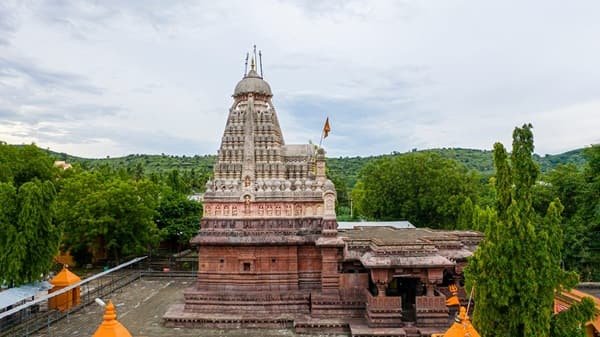
The temple can be busy during Mondays, Shravan and Maha Shivaratri. Visitors should understand darshan sessions, dress and sanctum rules, and road connections from Chhatrapati Sambhajinagar before deciding how to divide their time between the shrine and Ellora.
Grishneshwar Temple Timings, Entry Fees and Pujas
The following schedule is a practical starting point for planning. Opening hours and the moments when worshippers can enter the main prayer area are not always identical. The details that matter most are shown separately so that visitors do not mistake a ritual break for a complete closure.
Grishneshwar Temple Darshan Timings
| Activity / session | Published or indicative time |
| Temple opens | 5:30 AM |
| Regular visiting hours | 5:30 AM – 9:30 PM |
| Main aartis, indicative | 5:30 AM, noon, 7:00 PM and 9:30 PM |
| General entry | Usually free; individual pujas extra |
Incredible India publishes these opening hours and aarti times. Darshan may pause during worship or change on Mahashivaratri.
Important Daily Pujas and Sevas
Devotees may perform or attend Shiva abhishekam, Rudra-related worship and the main aartis. Rules for approaching the inner sanctum and for men’s clothing are stricter than in many other heritage temples.
Ordinary temple access is generally free unless a posted policy states otherwise. Paid archana, abhishekam or special-entry services are separate offerings, and they do not necessarily shorten every queue. Prices change; because a dependable current fee list was not available for every ritual, no speculative ticket figures are given here. Pay only at counters or platforms explicitly authorised by the managing institution.
Dress Code and Visitor Rules
Men entering the inner sanctum may be required to remove upper garments. Cameras and phones are restricted in worship areas.
For most temple visits, a saree, salwar kameez, dhoti or full-length trousers are safer choices than shorts or revealing clothing. Some sanctums require more specific traditional dress. Ask locally about footwear storage, accessible routes and any limitations on photography; never assume that a rule at one temple applies to every other shrine.
Grishneshwar Temple History and Religious Significance
The Legend of Ghushma’s Devotion
Grishneshwar, also spelt Ghrishneshwar, is revered as the twelfth Jyotirlinga in a widely followed listing of the twelve principal Shiva shrines. The Shiva Purana tradition tells of a woman named Ghushma, whose devotion remained steadfast even after a terrible family tragedy. She worshipped Shiva by making and immersing numerous earthen lingas. Moved by her faith, the Lord restored her son and promised to remain at the site, giving rise to the name Ghushmeshwar in popular tradition.
This is a devotional narrative. Its purpose is to explain the shrine’s spiritual meaning and the virtues of patience and faith; it should not be used as proof of the temple’s architectural age.
Historical Rebuilding Near Ellora
The shrine’s location near the rock-cut monuments of Ellora places it within a region of major medieval religious patronage. Popular histories refer to repeated damage and reconstruction under different regimes. More securely described restoration episodes include work associated with Maloji Bhosale in the sixteenth century and the eighteenth-century patronage of Ahilyabai Holkar of Indore.
Ahilyabai was a prominent supporter of Hindu pilgrimage sites across India. Her restoration is an important reason the present temple survived as an active centre of worship. The site therefore reflects devotion across different eras rather than a single, unaltered ancient building.
Red Stone Architecture and Sanctum Customs
The temple uses striking reddish stone and features carved pillars, figures from Hindu narratives, a multi-tiered shikhara and a mandapa leading towards the Jyotirlinga. The structure is often described in relation to the regional Hemadpanti style, although its present appearance also reflects later rebuilding.
Unlike temples that restrict visitors to viewing the deity from a distance, Grishneshwar is known for close sanctum worship under prescribed conditions. Men are customarily required to remove their shirts before entering the inner sanctum. Restrictions on cameras and mobile phones should be followed strictly. An approach to the Linga depends on crowd management and ritual rules on the day; no visitor should assume special access is guaranteed.
Relationship with Ellora and Modern Pilgrimage
Only a short distance away, Ellora’s Hindu, Buddhist and Jain rock-cut monuments reveal the religious diversity of the region. Grishneshwar is not one of those caves: it is a separate living shrine in Verul village. Maha Shivaratri and Shravan bring particularly large numbers of worshippers. The temple’s appeal lies in its Jyotirlinga tradition, its layered restoration history and its unusual proximity to one of India’s great archaeological landscapes.
How To Reach Grishneshwar Temple
Verul near Ellora, Chhatrapati Sambhajinagar district, Maharashtra can be approached through regional air, railway and road connections. The nearest useful station is not always the station with the greatest number of long-distance trains, so travellers should compare the final road transfer before confirming tickets.
| Mode | Practical access point |
| By air | Chhatrapati Sambhajinagar Airport, around 35–40 km |
| By train | Chhatrapati Sambhajinagar railway station |
| By road | Road from Chhatrapati Sambhajinagar via Ellora/Verul |
By Air
Chhatrapati Sambhajinagar Airport is the nearest air hub; flight options may be limited, so check connections before fixing the pilgrimage date.
By Train
Chhatrapati Sambhajinagar railway station offers onward taxi or bus connections. Confirm the latest railway station naming on your ticket.
By Road
The temple is close to Ellora at Verul. It can be paired with a visit to the caves, but the two attractions have different opening rules and should be planned separately.
Best Time To Visit Grishneshwar Temple
The most comfortable general travel season is October to March. Temperatures, rainfall and daylight conditions affect queueing outdoors, walking between attractions and using public transport. Devotees specifically seeking a festival experience may prefer a busier season, provided they allow time for crowds and altered schedules.
| Season | Visitor conditions |
| November–February | Comfortable for temple visits and outdoor travel |
| March–May | Warm or hot; early visits advisable |
| June–October | Monsoon or post-monsoon conditions vary locally |
Major Festivals
Important annual occasions include Maha Shivaratri and Shravan Mondays. Such celebrations change the atmosphere considerably: decorated deities, processions or extended worship may be a highlight, but queues and room prices can rise. Families wanting a relatively quiet darshan should prefer an ordinary weekday outside the main festival period.
Nearby Attractions
The places below offer useful context for the temple’s history and the surrounding region. Distances, access arrangements and opening hours vary, so allow time rather than rushing between stops.
- Ellora Caves — A UNESCO-listed group of Buddhist, Hindu and Jain rock-cut monuments immediately nearby, including the great Kailasa temple.
- Daulatabad Fort — A dramatic hill fortress on the road towards Chhatrapati Sambhajinagar, requiring time for climbing and exploration.
- Bibi Ka Maqbara — A Mughal-era mausoleum in Chhatrapati Sambhajinagar, suitable for a separate architectural visit.
Accommodation and Essential Travel Tips
Morning darshan and Ellora sightseeing can be combined in one day, but check Ellora Caves’ separate weekly closure and ticket rules.
Book a room in a convenient town rather than choosing accommodation only by the lowest displayed price. Ask about check-in rules, parking, accessibility and the last local bus. Carry identification, drinking water, essential medicines and a modest amount of cash for small purchases. Where official booking facilities exist, use the genuine temple or church channels rather than agents who promise guaranteed priority access.
Frequently Asked Questions About Grishneshwar Temple
Q. What are the timings of Grishneshwar Temple?
The main published schedule is: temple opens, 5:30 AM. Other sessions appear in the timings table above. Incredible India publishes these opening hours and aarti times. Darshan may pause during worship or change on Mahashivaratri.
Q. Is entry to Grishneshwar Temple free?
General worship access is normally free. Optional paid rituals or independently advertised events may have charges. Confirm any current fee with authorised staff; a general admission ticket should never be inferred from an unverified travel listing.
Q. What should visitors wear to Grishneshwar Temple?
Wear modest, respectful clothing suitable for the place of worship. Some inner temple areas have stricter traditional dress requirements. Follow onsite notices, particularly about footwear, mobile phones and photography.
Q. How can I reach Grishneshwar Temple by train?
Chhatrapati Sambhajinagar railway station. Arrange local transport for the last part of the journey, and check the train’s actual station stop before booking.
Q. What is the best time of year to visit Grishneshwar Temple?
October to March is generally comfortable for travel. Festival days such as Maha Shivaratri and Shravan Mondays can be memorable but considerably busier.
Q. What else can I visit near Grishneshwar Temple?
Common choices include Ellora Caves, Daulatabad Fort. Allow enough time for queues and the final road transfer rather than assuming everything can be covered quickly.