 By Saurav Mehra
 Yes, Switzerland is part of Europe. It is a landlocked country located in Central Europe and is one of the continent’s most famous nations because of its mountains, banking system, neutrality, and high quality of life.
However, many people become confused because Switzerland is not part of the European Union (EU). This often leads some people to wrongly assume that Switzerland is not in Europe at all.
Geographically, culturally, and historically, Switzerland is definitely a European country. It is simply not a member of the European Union.
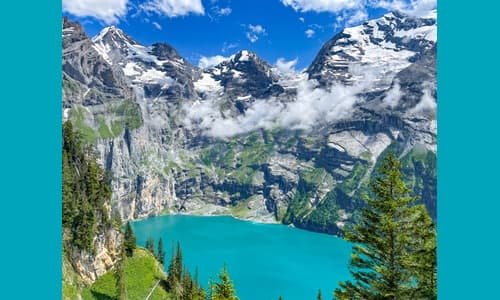
Where Is Switzerland Located?
Switzerland is located in Central Europe and shares borders with:
- France
- Germany
- Italy
- Austria
- Liechtenstein
The capital city of Switzerland is Bern, while cities like Zurich and Geneva are globally famous financial and diplomatic centers.
Switzerland Is Fully European
Switzerland is considered European in every major sense:
- Geography
- History
- Culture
- Politics
- Economy
The country is located entirely within the European continent and has played an important role in European history for centuries.
Swiss people also share many cultural traditions with neighboring European countries.
Why Do People Think Switzerland Is Not Part of Europe?
The confusion mainly happens because Switzerland is not part of the European Union.
Switzerland Is Not in the EU
Unlike nearby countries such as France, Germany, and Italy, Switzerland chose not to join the EU.
Swiss voters have historically preferred maintaining more political and economic independence rather than becoming full EU members.
This means Switzerland:
- Has its own separate agreements with the EU
- Controls many of its own policies independently
- Uses its own currency instead of the Euro
Switzerland Uses the Swiss Franc
Most EU countries use the Euro currency, but Switzerland uses the Swiss Franc.
This difference sometimes makes people think Switzerland is separate from Europe, even though it is geographically in the center of the continent.
Is Switzerland Part of the Schengen Area?
Yes. Switzerland is part of the Schengen Area.
The Schengen system allows easier passport-free travel between many European countries.
So even though Switzerland is not in the EU, travelers can often move between Switzerland and neighboring European countries without traditional border checks.
Switzerland’s Neutrality
Switzerland is internationally famous for its policy of neutrality.
The country has avoided involvement in many major international wars for centuries.
During both World War I and World War II, Switzerland remained officially neutral.
This neutrality became one of the country’s defining characteristics.
Because of this reputation, Switzerland often hosts:
- Peace negotiations
- International organizations
- Diplomatic meetings
Switzerland and International Organizations
Switzerland plays a major international role despite its small size.
The country hosts important organizations such as:
- United Nations offices in Geneva
- World Health Organization
- International Red Cross
Geneva is considered one of the world’s most important diplomatic cities.
Switzerland’s Economy
Switzerland has one of the world’s strongest economies.
The country is known for:
- Banking and finance
- Luxury watches
- Pharmaceuticals
- Tourism
- Engineering and technology
Swiss cities regularly rank among the best places to live globally because of safety, healthcare, infrastructure, and income levels.
Languages in Switzerland
Switzerland has multiple official languages, reflecting its European diversity.
The main languages are:
- German
- French
- Italian
- Romansh
Different parts of the country are influenced culturally by neighboring European regions.
Relationship With the European Union
Although Switzerland is not an EU member, it works closely with the European Union through many agreements involving:
- Trade
- Transportation
- Travel
- Research cooperation
The EU remains Switzerland’s biggest economic partner.
Final Answer
So, yes, Switzerland is part of Europe. It is geographically located in Central Europe and is fully considered a European country. The confusion mainly comes from the fact that Switzerland is not part of the European Union, even though it maintains close economic and political ties with European nations.
 Santosh Kumar