 By Meghna Sharma
Kolkata’s Kalighat Kali Temple is not separated from city life by a vast courtyard or a quiet forest. It stands amid narrow, busy lanes where flower sellers, worshippers and generations of temple servants keep an old sacred precinct active from early morning until night. Dedicated to Goddess Kali, the shrine is among eastern India’s best-known Shakti Peethas and occupies a central place in Bengali religious life.
The temple’s history runs along two connected paths. Religious tradition associates the site with Sati and the sacred Adi Ganga, while the structure seen today was developed around 1809 under the patronage of the Sabarna Roy Choudhury family. Kalighat also shaped the city’s cultural history: the lively paintings once sold by local patuas to pilgrims became a recognised school of nineteenth-century Indian art.
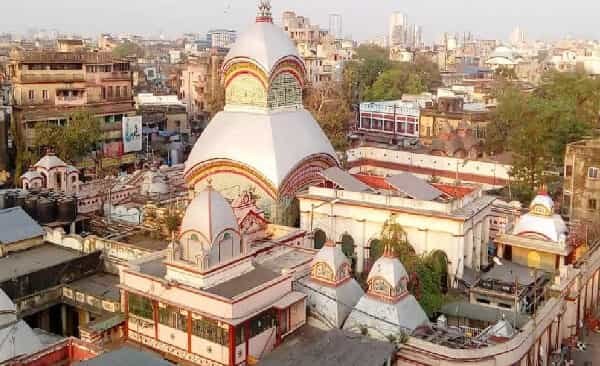
For first-time visitors, the main concerns are the divided darshan schedule, crowded approaches, authorised offerings and respectful conduct inside the sanctum. The guide below combines those practical details with the story of the shrine, its distinctive Kali image, architectural features and nearby places worth visiting.
Kalighat Temple Timings, Entry Fees and Pujas
The main public darshan windows and ritual breaks are listed below. These are planning hours, not a promise of uninterrupted viewing; special festivals, weather and temple notices can alter the normal schedule.
Kalighat Temple Darshan Timings
| Session | Common public visiting hours |
| Morning darshan | 5:00 AM – 2:00 PM |
| Midday break | 2:00 PM – 5:00 PM |
| Evening darshan | 5:00 PM – 10:30 PM |
| General entry | Free; ritual interruptions apply |
The national tourism portal publishes these two public visiting sessions. Individual sanctum access can stop for bhog, aarti or temple ceremonies.
Important Daily Pujas and Sevas
Morning worship, food offerings and evening aarti punctuate the day. Devotees may also visit associated shrines including Nakuleshwar Shiva Temple. The atmosphere becomes especially crowded on Tuesdays, Saturdays and major Kali festivals.
General entry is free. Devotees may separately pay for authorised pujas, flowers or offerings, but a donation is not a compulsory admission fee. Use identified counters and seek a receipt for formal services; be wary of touts promising immediate darshan in exchange for large cash payments.
Dress Code and Visitor Rules
Photography inside the sanctum is restricted; leave valuables secured and use authorised footwear facilities only.
Wear modest, practical clothing and avoid carrying valuables into the crowded lanes. Remove footwear where directed, do not photograph the inner sanctum and do not accept unsolicited ritual services without understanding the charge. On high-crowd days, keep children and older relatives together.
Kalighat Temple History and Religious Significance
The Shakti Peetha tradition and the sacred Adi Ganga
According to the Shakti Peetha tradition, the grief-stricken Shiva carried Sati’s body after her death, and parts of it fell in different locations, creating sacred centres of Goddess worship. Kalighat is usually associated with a toe from Sati’s right foot. The shrine’s position near the Adi Ganga, an old channel linked with the Hooghly river system, also shaped its religious geography. Pilgrims once approached through river routes as well as land. These beliefs explain the site’s sacred character, although they cannot be assigned a literal archaeological date.
Historical references to Kalighat predate the visible temple. Bengali literary traditions mention the area in texts associated with the fifteenth and seventeenth centuries, indicating an older place of worship. The present masonry shrine was built with patronage from the Sabarna Roy Choudhury family and was completed around 1809. Kolkata Municipal Corporation associates its foundation with Santosh Roy of that family. The Haldar shebait families have long-standing roles in daily worship. The distinction is important: the site has older sacred associations, but its present architecture is principally early nineteenth century.
The 1809 temple, its image and the birth of Kalighat painting
The Goddess’s image is visually distinctive, with large eyes, four hands and a prominent golden tongue. The arms combine symbols of power with gestures of blessing and reassurance. Temple traditions connect its form with the ascetics Atmaram Giri and Brahmananda Giri. In architectural terms, the shrine’s roof and sanctuary draw on Bengal’s regional temple idiom rather than the tall gopurams of South India. Nearby Kundupukur, the Nakuleshwar Mahadev shrine and other smaller sacred spaces contribute to the wider precinct’s religious character.
Kalighat’s influence travelled beyond worship. During the nineteenth century, artists known as patuas began producing briskly painted pictures for pilgrims and Kolkata’s growing urban audience. Kalighat paintings depicted gods and goddesses but also contemporary social scenes, humour and criticism. Their confident outlines and clear colours became a major chapter in modern Indian art history. This cultural contribution helps explain why Kalighat matters to travellers interested in more than a quick darshan: a bustling living temple became the name of an influential artistic tradition.
How To Reach Kalighat Temple
Kalighat lies in south Kolkata and is served by the city’s metro, road and taxi network. The area around the temple can be congested; a metro or short taxi ride followed by walking is often more predictable than attempting to drive to the doorway.
| Mode | Practical access point |
| By air | Netaji Subhas Chandra Bose International Airport, around 22–25 km |
| By train | Howrah or Sealdah, with onward metro or taxi |
| By road | Kalighat Metro Station and city taxis; short walk to the shrine |
By Air
Netaji Subhas Chandra Bose International Airport, around 22–25 km. Flights, connections and transfer times vary. Confirm that the selected airport has a convenient onward taxi or bus link rather than judging suitability by map distance alone.
By Train
Howrah or Sealdah, with onward metro or taxi. Check whether the train stops at the stated station and arrange local transport for the final leg, especially if arriving after dark or with elderly relatives.
By Road
Kalighat Metro Station and city taxis; short walk to the shrine. Roads near religious sites are sometimes pedestrianised or subject to temporary diversions on festival days. A drop-off point within walking distance can be more practical than trying to drive to the main gate.
Best Time To Visit Kalighat Temple
The most comfortable general travel season is November to February. Temperatures, rainfall and daylight conditions affect queueing outdoors, walking between attractions and using public transport. Devotees specifically seeking a festival experience may prefer a busier season, provided they allow time for crowds and altered schedules.
| Season | Visitor conditions |
| October–February | Generally comfortable for pilgrimage |
| March–May | Warm to hot and humid |
| June–September | Monsoon rain; plan extra travel time |
Major Festivals
Important annual occasions include Kali Puja, Durga Puja period and Bengali New Year. Such celebrations change the atmosphere considerably: decorated deities, processions or extended worship may be a highlight, but queues and room prices can rise. Families wanting a relatively quiet darshan should prefer an ordinary weekday outside the main festival period.
Nearby Attractions
A visit to Kalighat Temple can be combined with several nearby places. Pick attractions according to the time available rather than trying to cover every stop after a long darshan queue.
- Nakuleshwar Mahadev Temple
- Victoria Memorial
- Birla Mandir or Indian Museum
Before adding a distant attraction, check opening times and the driving route. A religious journey is usually more comfortable when one significant site is explored properly instead of several being rushed.
Accommodation and Essential Travel Tips
The approach streets are busy and may include touts offering unsolicited puja services. Families should agree on offerings and prices before paying anyone.
Book a room in a convenient town rather than choosing accommodation only by the lowest displayed price. Ask about check-in rules, parking, accessibility and the last local bus. Carry identification, drinking water, essential medicines and a modest amount of cash for small purchases. Where official booking facilities exist, use the genuine temple or church channels rather than agents who promise guaranteed priority access.
Frequently Asked Questions About Kalighat Temple
Q. Is it compulsory to pay a priest or guide for Kalighat darshan?
No. Ordinary temple entry is free. Offerings and pujas are separate choices. If approached by someone claiming payment is mandatory for the main queue, ask at an official counter before handing over money. Agree on any optional service price in advance.
Q. What is Nakuleshwar Mahadev’s connection with Kalighat?
Nakuleshwar is a nearby Shiva shrine traditionally associated with the Bhairava or guardian form connected to the Shakti Peetha. Devotees sometimes visit both temples as part of the same religious journey, but they are separate buildings with distinct worship arrangements.
Q. Why is Kalighat important to Indian painting?
Nineteenth-century patuas working around the pilgrimage centre produced a bold painting style now called Kalighat painting. They depicted deities and everyday social life for pilgrims and city audiences. Its influence reaches well beyond religious souvenirs and is recognised in art collections.
Q. Can visitors photograph the famous Kali image?
Photography inside the main sanctum is restricted and should not be attempted without express permission. The fact that photographs exist online does not change current temple rules. Protect other worshippers’ privacy and avoid using a flash near sacred objects.
Q. What should a first-time visitor know about offerings?
Flowers and other customary puja items are sold around the approach. Their purchase is optional for general darshan. Ask the price before buying and carry only what you can manage in a crowded line. Formal donations should go to authorised collection points.
Q. Are animal sacrifices part of Kalighat’s historical worship?
Animal sacrifice has been associated with certain Shakta ritual traditions at Kalighat, a subject that visitors may find sensitive. Not every devotee takes part, and attending darshan does not require involvement. Avoid photographing or interfering with any ceremony; ask temple staff about current restrictions.