 By Santosh Kumar
 Electrical distribution networks can experience temporary faults caused by weather, vegetation, equipment contact, or other external conditions. These faults can interrupt power supply even when the underlying issue clears quickly.
This raises an important question about how a recloser improves reliability in electrical distribution networks. A recloser automatically detects a fault, interrupts the affected circuit, and attempts to restore power after a brief interval. If the fault continues, it can interrupt the circuit again and ultimately isolate the fault. This automated sequence helps reduce unnecessary service interruptions while supporting more consistent power distribution.
As modern networks incorporate greater automation and monitoring capabilities, reclosers can contribute to more responsive and reliable electrical distribution infrastructure.
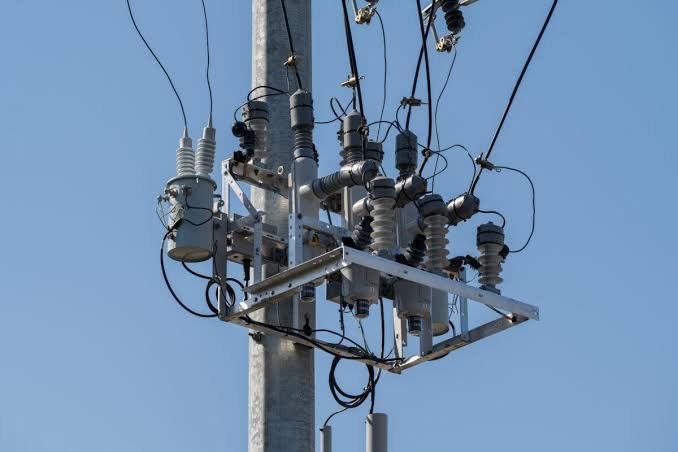
How Reclosers Strengthen Distribution Network Performance
Reclosers improve distribution reliability through automated fault detection, circuit interruption, power restoration, and monitoring, helping maintain continuity across modern electrical networks.
1. Restore Power After Temporary Faults
Many faults on overhead distribution lines are temporary. They can result from momentary contact with vegetation, weather conditions, or other external factors. A recloser can detect these conditions, interrupt the circuit, and automatically attempt to restore the power supply.
If the fault has cleared, the circuit can return to normal operation without requiring immediate manual intervention.
2. Reduce the Duration of Power Interruptions
Manual fault identification and restoration can take time, particularly across geographically distributed electrical networks. Automated reclosing allows the system to respond to certain faults without waiting for an operator to reach the affected location.
By shortening the time between fault interruption and restoration, a recloser can help reduce disruption across the distribution network.
3. Limit the Impact of Persistent Faults
Not every fault clears automatically. If an abnormal condition remains after repeated reclosing attempts, the recloser can keep the circuit open instead of repeatedly restoring power.
By isolating the affected circuit, the device can limit the continued impact of the fault while allowing maintenance personnel to investigate the underlying issue.
4. Protect Overhead Distribution Networks
Reclosers are commonly used in overhead medium-voltage distribution networks where exposed electrical lines can experience different external conditions. Pole-mounted installations can provide automated protection at strategic points along the distribution system.
Three-phase configurations can also support distribution applications that require coordinated protection across multiple conductors. This makes reclosers suitable for different network configurations and overhead power distribution requirements.
5. Improve Monitoring and Operational Control
Modern distribution networks increasingly rely on monitoring and control capabilities to understand electrical conditions. Reclosers can support this approach by providing operational information and enabling greater control over distribution circuits.
Improved visibility helps network operators understand fault conditions and assess equipment status. When integrated into suitable distribution architectures, monitoring capabilities can also support more informed maintenance and operational decisions.
6. Support Smart-grid Applications
Smart grids depend on connected electrical equipment that can respond to changing network conditions. Reclosers support this approach through automated fault response, switching, monitoring, and control capabilities.
This helps utilities develop networks that respond more effectively to faults while improving visibility across electrical infrastructure.
7. Improve Long-term Distribution Reliability
The combined effect of automated fault detection, circuit interruption, reclosing, and monitoring can contribute to more reliable distribution performance. A recloser can respond quickly to temporary faults while isolating persistent problems when necessary.
Over time, automated protection can also contribute to improved maintenance planning and greater operational confidence.
Strengthen Distribution Reliability With Automated Fault Management
Reclosers can play an important role in modern electrical distribution by automatically responding to temporary and persistent faults. Their ability to detect abnormal conditions, interrupt circuits, attempt power restoration, and isolate continuing faults supports improved network reliability and continuity.
Monitoring and control capabilities can further strengthen their role in increasingly automated distribution infrastructure. Selecting equipment according to voltage levels, network configuration, fault requirements, and installation conditions is essential for effective performance. Partnering with a reputable electrical technology provider can also help organizations evaluate suitable protection and automation requirements.
As distribution networks continue to modernize, automated fault management can support more responsive, dependable, and resilient power delivery.