 By Meghna Sharma
 Three distinct hill peaks rise above the plains of Palnadu district in Andhra Pradesh, giving Kotappakonda its traditional name, Trikutadri. On this sacred hill stands Sri Trikoteswara Swamy Temple, a major regional centre of worship dedicated to Lord Shiva. The approach through the surrounding countryside and the broad views from the hill make the visit memorable even before devotees reach the shrine.
Religious tradition connects the three summits with Brahma, Vishnu and Rudra. Local stories about devoted worshippers have helped shape the site’s spiritual identity over generations. Kotappakonda is especially well known for the grand Maha Shivaratri Tirunallu, when processions and striking festival structures bring huge gatherings to the area around Narasaraopet.
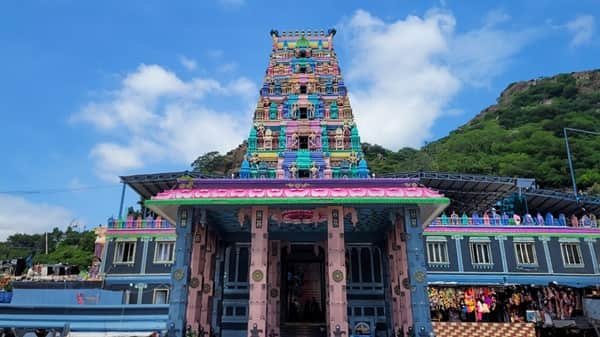
A trip here needs more attention to logistics than a visit to a temple in the middle of a city. Pilgrims should check public darshan timings, the uphill road approach, weather conditions and festival traffic. Those arriving from Guntur or neighbouring towns can plan other nearby stops around their temple visit.
Kotappakonda Temple Timings, Entry Fees and Pujas
The following schedule is a practical starting point for planning. Opening hours and the moments when worshippers can enter the main prayer area are not always identical. The details that matter most are shown separately so that visitors do not mistake a ritual break for a complete closure.
Kotappakonda Temple Darshan Timings
| Activity / session | Published or indicative time |
| Morning darshan | About 6:00 AM – 1:00 PM |
| Midday closure | About 1:00 PM – 3:00 PM |
| Evening darshan | About 3:00 PM – 8:00 PM |
| General entry | Usually free |
Published visitor sources disagree: some report opening at 5:30 AM and closing at 7:30 or 9:00 PM. The 6–1 and 3–8 schedule is a practical guide, not a confirmed official timetable.
Important Daily Pujas and Sevas
Abhishekam, archana and evening aarti are central to worship. The annual festival features elaborately decorated bamboo structures and processions, with special road and crowd controls.
Ordinary temple access is generally free unless a posted policy states otherwise. Paid archana, abhishekam or special-entry services are separate offerings, and they do not necessarily shorten every queue. Prices change; because a dependable current fee list was not available for every ritual, no speculative ticket figures are given here. Pay only at counters or platforms explicitly authorised by the managing institution.
Dress Code and Visitor Rules
Follow local queue directions. Avoid unverified online seva providers; official ticket rates and hours should be checked at the temple.
For most temple visits, a saree, salwar kameez, dhoti or full-length trousers are safer choices than shorts or revealing clothing. Some sanctums require more specific traditional dress. Ask locally about footwear storage, accessible routes and any limitations on photography; never assume that a rule at one temple applies to every other shrine.
Kotappakonda Temple History and Religious Significance
Trikutadri: A Hill with Three Peaks
Kotappakonda, also known as Trikutadri, rises above the plains near Narasaraopet in Andhra Pradesh. Its three prominent peaks are traditionally associated with Brahma, Vishnu and Rudra, giving the presiding form of Shiva the name Sri Trikoteswara Swamy. The geography is not decorative background: from different directions the three elevations are clearly visible, and the hill’s shape explains the sacred name.
The present pilgrimage centres mainly on the shrine at Brahma Shikharam, with other sacred sites connected to Rudra and Vishnu peaks. Government tourism records recognise Kotappakonda as a major centre of worship in the Palnadu region.
Gollabhama and the Old Kotayya Shrine
The local sthala purana tells of Anandavalli, remembered as Gollabhama, the daughter of a cattle-herding family. She became deeply devoted to Shiva and regularly worshipped at the older shrine on Rudra Shikharam. According to the story, Shiva was moved by her devotion and manifested at the place now associated with the main temple.
This narrative explains the reverence shown to Old Kotayya and the different hill shrines. It is important not to convert the legend into a confident construction date. The surviving buildings and arrangements represent many stages of local patronage and later development.
Historical Growth and Hill Access
Kotappakonda appears in regional pilgrimage history as a centre closely associated with surrounding agricultural communities. Modern infrastructure has significantly changed the approach: a ghat road supplements the traditional route, allowing vehicles to reach near the main hilltop complex, subject to management restrictions. Tourism projects and pilgrim facilities have been introduced as visitor numbers grew.
Some guides attribute the temple’s earliest development to the Satavahana period, but this should be understood as a traditional or tentative association, not a precisely documented founding event. Historical evidence for the current built structures is more complex.
Mahashivaratri Tirunallu and the Prabhas
The great annual Tirunallu during Maha Shivaratri draws very large crowds from Andhra Pradesh and Telangana. One of its most vivid features is the carrying of decorated, illuminated prabhas by groups of devotees. Religious processions and festive markets give the occasion a strong regional identity.
On ordinary days, pilgrims find a more peaceful hilltop with open views, smaller subsidiary shrines and the opportunity to understand why the three peaks are central to the temple’s identity. Kotappakonda is at once a place of Shiva worship and a living example of Telugu community pilgrimage.
How To Reach Kotappakonda Temple
Kotappakonda near Narasaraopet, Palnadu district, Andhra Pradesh can be approached through regional air, railway and road connections. The nearest useful station is not always the station with the greatest number of long-distance trains, so travellers should compare the final road transfer before confirming tickets.
| Mode | Practical access point |
| By air | Vijayawada International Airport, roughly 110–120 km |
| By train | Narasaraopet Railway Station, around 15–20 km |
| By road | Road access via Narasaraopet and Guntur |
By Air
Vijayawada Airport is the most useful regional airport. The onward trip is substantial, so reserve a car if travelling with children or older relatives.
By Train
Narasaraopet station is a local option, while Guntur offers more rail connections. Arrange a cab for the final hill road.
By Road
Approach through Narasaraopet to Kondakavuru and the ghat road. Maha Shivaratri fair traffic and temporary restrictions can greatly increase driving time.
Best Time To Visit Kotappakonda Temple
The most comfortable general travel season is October to February. Temperatures, rainfall and daylight conditions affect queueing outdoors, walking between attractions and using public transport. Devotees specifically seeking a festival experience may prefer a busier season, provided they allow time for crowds and altered schedules.
| Season | Visitor conditions |
| November–February | Comfortable for temple visits and outdoor travel |
| March–May | Warm or hot; early visits advisable |
| June–October | Monsoon or post-monsoon conditions vary locally |
Major Festivals
Important annual occasions include Maha Shivaratri Tirunallu, Kartika month and Pradosham. Such celebrations change the atmosphere considerably: decorated deities, processions or extended worship may be a highlight, but queues and room prices can rise. Families wanting a relatively quiet darshan should prefer an ordinary weekday outside the main festival period.
Nearby Attractions
The places below offer useful context for the temple’s history and the surrounding region. Distances, access arrangements and opening hours vary, so allow time rather than rushing between stops.
- Trikutadri viewpoints — The hill’s changing views reveal the three peaks associated with Brahma, Vishnu and Rudra and explain the name Trikoteswara.
- Narasaraopet — A practical base with local markets, transport and food services before or after the hill pilgrimage.
- Amaravati area — A longer cultural excursion towards the Krishna River, with significant Buddhist heritage and the Amareswara Shiva shrine.
Accommodation and Essential Travel Tips
The hill road is subject to traffic controls on Tirunallu days. Families should carry water and avoid assuming a last-minute vehicle can reach the summit.
Book a room in a convenient town rather than choosing accommodation only by the lowest displayed price. Ask about check-in rules, parking, accessibility and the last local bus. Carry identification, drinking water, essential medicines and a modest amount of cash for small purchases. Where official booking facilities exist, use the genuine temple or church channels rather than agents who promise guaranteed priority access.
Frequently Asked Questions About Kotappakonda Temple
Q. What are the timings of Kotappakonda Temple?
The main published schedule is: morning darshan, About 6:00 AM – 1:00 PM. Other sessions appear in the timings table above. Published visitor sources disagree: some report opening at 5:30 AM and closing at 7:30 or 9:00 PM. The 6–1 and 3–8 schedule is a practical guide, not a confirmed official timetable.
Q. Is entry to Kotappakonda Temple free?
General worship access is normally free. Optional paid rituals or independently advertised events may have charges. Confirm any current fee with authorised staff; a general admission ticket should never be inferred from an unverified travel listing.
Q. What should visitors wear to Kotappakonda Temple?
Wear modest, respectful clothing suitable for the place of worship. Some inner temple areas have stricter traditional dress requirements. Follow onsite notices, particularly about footwear, mobile phones and photography.
Q. How can I reach Kotappakonda Temple by train?
Narasaraopet Railway Station, around 15–20 km. Arrange local transport for the last part of the journey, and check the train’s actual station stop before booking.
Q. What is the best time of year to visit Kotappakonda Temple?
October to February is generally comfortable for travel. Festival days such as Maha Shivaratri Tirunallu can be memorable but considerably busier.
Q. What else can I visit near Kotappakonda Temple?
Common choices include Trikutadri hill viewpoints, Narasaraopet town. Allow enough time for queues and the final road transfer rather than assuming everything can be covered quickly.
 Santosh Kumar