 By Saurav Mehra
 Yes, Scotland is part of the United Kingdom. Scotland is one of the four countries that make up the UK, alongside:
- England
- Wales
- Northern Ireland
Although Scotland is part of the United Kingdom politically, it also has its own distinct national identity, legal system, education system, culture, and parliament. This unique arrangement is why many people sometimes become confused about Scotland’s exact status.
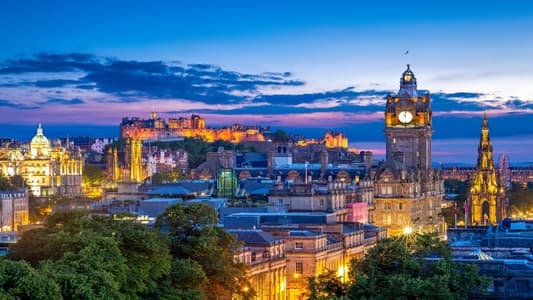
Where Is Scotland Located?
Scotland is located in the northern part of the island of Great Britain.
It shares a land border with England to the south and is surrounded by the Atlantic Ocean and North Sea.
The capital city of Scotland is Edinburgh, while Glasgow is its largest city.
Scotland is famous for:
- Highlands and mountains
- Historic castles
- Whisky production
- Traditional kilts and bagpipes
- Rich Celtic heritage
What Is the United Kingdom?
The full name of the UK is the “United Kingdom of Great Britain and Northern Ireland.”
The UK consists of four countries:
- England
- Scotland
- Wales
- Northern Ireland
These countries are politically united under one sovereign government headquartered in London.
Was Scotland Ever Independent?
Yes. Scotland was once an independent kingdom for many centuries.
The Kingdom of Scotland had its own monarchs, laws, and political institutions. One of the most famous periods in Scottish history involved wars against England during the time of figures like William Wallace and Robert the Bruce.
Scotland remained independent until the early 18th century.
How Did Scotland Join the UK?
In 1707, Scotland and England signed the Acts of Union.
Under this agreement:
- The Kingdom of Scotland and the Kingdom of England united politically
- The Parliament of Great Britain was created
- Scotland became part of a larger united kingdom
This union eventually developed into the modern United Kingdom.
Does Scotland Have Its Own Government?
Yes. Scotland has its own devolved government and parliament.
The Scottish Parliament, located in Edinburgh, controls several domestic matters, including:
- Education
- Healthcare
- Transport
- Some taxation policies
However, major issues like:
- Defense
- Foreign policy
- Immigration
are mainly handled by the UK government in London.
Scotland’s Legal and Education Systems
Scotland is unique within the UK because it has separate systems in important areas.
Legal System
Scotland has its own legal system that differs from England and Wales.
Education
Scottish education also follows a separate structure, and universities in Scotland operate differently from many institutions elsewhere in the UK.
These differences help preserve Scotland’s distinct national identity.
The Scottish Independence Debate
One of the biggest political issues in modern Scotland is independence.
Some people believe Scotland should remain part of the UK, while others want Scotland to become an independent country again.
2014 Independence Referendum
In 2014, Scotland held a major independence referendum.
Voters were asked whether Scotland should leave the UK and become an independent country.
The result was:
- About 55% voted to remain in the UK
- About 45% voted for independence
So Scotland stayed part of the United Kingdom.
Brexit and Renewed Debate
The debate became stronger again after the Brexit referendum in 2016.
Most Scottish voters supported remaining in the European Union, but the UK as a whole voted to leave.
This led many Scottish independence supporters to argue that Scotland’s interests were being ignored.
Scotland’s Identity
Even though Scotland is part of the UK, many Scots strongly identify as Scottish first rather than British.
Scotland has:
- Its own flag
- National sports teams in football and rugby
- Distinct traditions and culture
- Gaelic and Scots linguistic heritage
This strong identity is one reason why the independence discussion remains active.
Final Answer
So, yes, Scotland is part of the United Kingdom. It joined England through the Acts of Union in 1707 and remains one of the four countries of the UK today. However, Scotland also keeps its own national identity, parliament, legal traditions, and culture, which makes its position within the UK unique and politically important.