 By Santosh Kumar
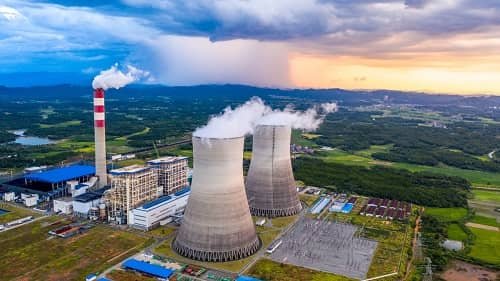
 Electricity is the backbone of modern life. Almost every activity today—industries, transport, communication, education, healthcare, and households—depends on a steady supply of power. Among the various sources of electricity generation, thermal power plants play a very important role. A thermal power plant generates electricity by burning fossil fuels such as coal, oil, or natural gas to produce heat. This heat is used to convert water into steam, which rotates turbines connected to generators and produces electricity.
Thermal power plants are widely used across the world because they can produce large amounts of electricity continuously. In many developing countries, thermal power remains the main source of energy due to the easy availability of coal and the relatively simple technology involved. However, despite their usefulness, thermal power plants also create serious environmental, health, and economic problems. Therefore, it is important to understand both the advantages and disadvantages of thermal power plants.
Advantages of Thermal Power Plants
1. Reliable Source of Electricity
One of the biggest advantages of thermal power plants is reliability. They can produce electricity continuously throughout the year, regardless of weather conditions. Unlike solar or wind energy, thermal power generation does not depend on sunlight or wind speed. This makes it a dependable source of base-load power.
2. Large-Scale Power Generation
Thermal power plants are capable of generating large amounts of electricity at a single location. This makes them suitable for meeting the high power demands of cities, industries, and large populations. A single thermal plant can supply electricity to millions of people.
3. Lower Initial Cost Compared to Some Other Plants
The initial cost of setting up a thermal power plant is lower than that of nuclear or hydroelectric power plants. The technology is well-developed and widely available, making construction easier and faster.
4. Easy Availability of Fuel
Fossil fuels such as coal are easily available in many countries. Coal reserves are abundant and can be stored for long periods. This ensures a steady supply of fuel and uninterrupted power generation.
5. Flexible Location
Thermal power plants can be set up almost anywhere, preferably near fuel sources or water supply. Unlike hydropower plants, they do not require specific geographical features like rivers or mountains.
6. Supports Industrial Growth
Thermal power plants provide stable electricity essential for industrial development. Industries depend on continuous power supply to operate machinery, increase production, and maintain economic growth.
7. Employment Opportunities
Construction, operation, and maintenance of thermal power plants create employment opportunities. Workers are needed for mining, transportation of fuel, plant operation, and equipment maintenance.
8. Mature and Proven Technology
Thermal power generation technology has been used for decades. Engineers and technicians are well trained, and the systems are reliable. This reduces technical risks and operational failures.
9. Can Use Multiple Fuels
Thermal power plants can operate on different fuels such as coal, oil, natural gas, or even biomass. This flexibility helps countries manage fuel shortages and energy security.
Disadvantages of Thermal Power Plants
1. Air Pollution
One of the most serious disadvantages of thermal power plants is air pollution. Burning coal releases harmful gases like carbon dioxide, sulfur dioxide, nitrogen oxides, and particulate matter. These pollutants cause respiratory diseases, acid rain, and environmental damage.
2. Contribution to Climate Change
Thermal power plants are major contributors to global warming. They release large amounts of carbon dioxide, a greenhouse gas that traps heat in the atmosphere. This leads to climate change, rising temperatures, and extreme weather conditions.
3. Dependence on Non-Renewable Resources
Thermal power plants rely on fossil fuels, which are non-renewable. Coal, oil, and natural gas reserves are limited and will eventually be exhausted. Overdependence on these resources threatens long-term energy security.
4. High Operating Cost
Although the initial cost is relatively low, the operating cost of thermal power plants is high. Continuous fuel supply, transportation, maintenance, and pollution control systems increase expenses over time.
5. Environmental Degradation from Mining
Coal mining causes severe environmental damage. It leads to deforestation, land degradation, soil erosion, and loss of biodiversity. Mining also displaces local communities and affects their livelihoods.
6. Water Pollution and Water Use
Thermal power plants require large amounts of water for cooling. Hot water discharged back into rivers raises water temperature, harming aquatic life. Ash disposal and chemical waste also contaminate water sources.
7. Ash Disposal Problem
Burning coal produces large quantities of ash. Disposal of fly ash and bottom ash is a major challenge. Improper disposal pollutes air, soil, and water and affects nearby agricultural land.
8. Health Hazards
People living near thermal power plants face serious health risks. Exposure to polluted air increases cases of asthma, lung diseases, heart problems, and skin disorders. Workers are also at risk due to continuous exposure to harmful substances.
9. Large Land Requirement
Thermal power plants and ash disposal sites require large areas of land. This can lead to displacement of people and loss of agricultural land, especially in densely populated regions.
10. Low Overall Efficiency
A large amount of heat energy produced in thermal power plants is wasted. Only a part of the energy generated from fuel is converted into electricity, making the process less efficient compared to some other energy sources.
Thermal Power Plants and the Future
Thermal power plants will continue to play an important role in meeting energy needs, especially in developing countries. However, there is growing pressure to reduce their environmental impact. Cleaner technologies, improved efficiency, use of better pollution control equipment, and gradual shift towards renewable energy sources are necessary steps for sustainable development.
Conclusion
Thermal power plants are an important source of electricity due to their reliability and large-scale power generation. At the same time, problems like pollution, climate change, and dependence on fossil fuels cannot be ignored. A balanced approach is needed to meet energy demands while protecting the environment.