 By Santosh Kumar
 Air pollution refers to the presence of harmful substances in the air that affect human health, the environment, and living organisms. These substances may include gases, dust, smoke, chemicals, and tiny particles released from vehicles, industries, power plants, burning of fuels, construction activities, and natural sources such as volcanoes and forest fires. In the modern world, air pollution has become a serious global problem due to rapid industrialization, urbanization, population growth, and increased use of fossil fuels.
Air pollution is generally considered harmful, and rightly so, because it causes health problems, environmental damage, and climate change. However, from an academic point of view, it is sometimes discussed that air pollution may have a few indirect or short-term advantages in specific contexts, mostly related to economic activity or natural processes. These “advantages” do not justify pollution but help in understanding why pollution continues to exist despite its harmful effects. To understand the issue fully, it is important to examine both the advantages and disadvantages of air pollution.
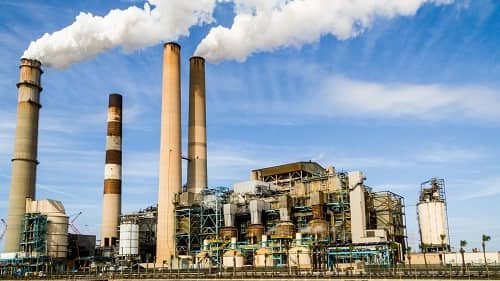
Advantages of Air Pollution
1. Supports Industrial and Economic Activities
Many industries that contribute to air pollution also play a major role in economic development. Factories, power plants, and manufacturing units release pollutants but at the same time produce goods, electricity, and employment. Industrial growth improves infrastructure, increases income levels, and supports national development.
2. Energy Production for Daily Needs
Air pollution is closely linked with energy generation from coal, oil, and gas. Thermal power plants release pollutants but provide electricity essential for homes, hospitals, schools, industries, and transportation. Without such energy sources, modern life would face serious disruption.
3. Agricultural Benefits in Limited Cases
Certain air pollutants like nitrogen compounds can settle on soil and act as fertilizers in small quantities. This may temporarily increase soil fertility and plant growth. However, this benefit is very limited and often outweighed by long-term damage.
4. Ozone Layer Formation at High Altitude
Ozone at high altitude forms naturally due to chemical reactions involving oxygen and sunlight. This ozone layer protects life on Earth by blocking harmful ultraviolet rays. Although ground-level ozone is harmful, atmospheric chemical processes involving gases play a protective role higher up.
5. Natural Air Pollution Processes
Natural sources such as volcanic eruptions, dust storms, and forest fires release pollutants into the air. These natural events are part of Earth’s ecological cycle and help shape landforms, soil composition, and atmospheric balance over long periods.
6. Awareness and Technological Innovation
Rising air pollution levels have increased public awareness and encouraged innovation. Governments and industries invest in cleaner technologies, electric vehicles, renewable energy, and pollution control systems as a response to pollution problems.
7. Scientific Research and Policy Development
Air pollution has led to extensive scientific research in environmental science, medicine, and climate studies. This research helps improve environmental laws, health guidelines, and international cooperation to protect the planet.
Note: These advantages are indirect and do not mean air pollution is beneficial. They explain why polluting activities continue, not why pollution should be encouraged.
Disadvantages of Air Pollution
1. Serious Health Problems
One of the biggest disadvantages of air pollution is its harmful effect on human health. Polluted air causes respiratory diseases such as asthma, bronchitis, lung infections, and lung cancer. Long-term exposure increases the risk of heart disease and premature death.
2. Harmful to Children and Elderly
Children, elderly people, and those with weak immune systems are more vulnerable to air pollution. Polluted air affects lung development in children and worsens existing health conditions in older adults.
3. Environmental Damage
Air pollution damages the natural environment. Pollutants cause acid rain, which harms forests, soil, rivers, and lakes. Plants absorb toxic gases, affecting their growth and reducing agricultural productivity.
4. Climate Change and Global Warming
Air pollution contributes to climate change. Greenhouse gases like carbon dioxide and methane trap heat in the atmosphere, leading to global warming. This results in melting glaciers, rising sea levels, heatwaves, droughts, and extreme weather events.
5. Damage to Wildlife
Animals and birds suffer due to polluted air. Toxic particles affect their respiratory systems, food sources, and habitats. Ecosystems become imbalanced, leading to loss of biodiversity.
6. Reduced Visibility and Smog
Air pollution causes smog, especially in cities. Smog reduces visibility, increases road accidents, and creates an unpleasant living environment. It also affects tourism and outdoor activities.
7. Economic Loss
Air pollution leads to huge economic losses. Healthcare costs increase due to pollution-related illnesses. Workers fall sick more often, reducing productivity. Damage to crops, buildings, and infrastructure also results in financial loss.
8. Damage to Buildings and Monuments
Polluted air damages buildings, bridges, and historical monuments. Acid rain reacts with stone and metal, causing corrosion and erosion. Famous monuments suffer permanent damage due to pollution.
9. Poor Quality of Life
Living in polluted areas reduces overall quality of life. People experience breathing problems, eye irritation, headaches, fatigue, and stress. Outdoor activities become difficult and unsafe.
10. Long-Term Ecological Imbalance
Air pollution disrupts natural cycles and ecological balance. Changes in temperature, rainfall patterns, and air quality affect agriculture, water resources, and food security in the long run.
Measures to Control Air Pollution
To reduce air pollution, strict laws, clean energy use, public awareness, and technological solutions are necessary. Using renewable energy, improving public transport, planting trees, controlling industrial emissions, and reducing vehicle use can help protect air quality.
Conclusion
Air pollution is largely harmful and poses serious threats to human health, the environment, and the global climate. While it may have a few indirect or short-term advantages linked to economic activity and natural processes, these benefits do not outweigh the damage it causes. The focus should be on reducing air pollution through sustainable development, cleaner technology, and responsible human behavior to ensure a healthy future for coming generations.