 By Santosh Kumar
 Energy is one of the most basic needs of modern society. As the demand for energy continues to rise and fossil fuel reserves decline, the search for renewable and sustainable sources of energy has become very important. Biomass energy is one such renewable energy source that has been used by humans since ancient times. Long before the discovery of coal, oil, and gas, people depended on wood, crop waste, and animal dung for cooking and heating.
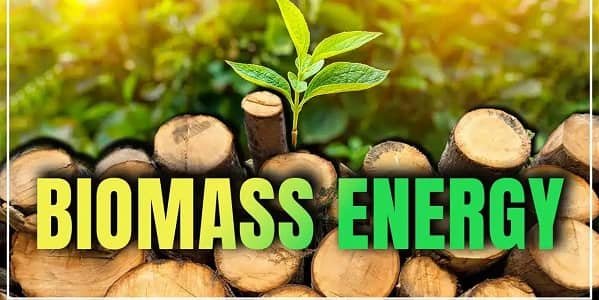
Biomass energy is produced from organic materials such as plants, agricultural waste, animal waste, wood, and biodegradable industrial waste. These materials are either burned directly or converted into biofuels like biogas, bioethanol, and biodiesel. Because biomass comes from living or recently living organisms, it is considered a renewable source of energy. Today, biomass energy is widely used in rural areas and is also gaining importance in modern power generation systems.
However, biomass energy is not completely free from problems. While it helps reduce waste and supports renewable energy goals, it can also cause environmental damage and health issues if not managed properly. Therefore, understanding both the advantages and disadvantages of biomass energy is essential.
Advantages of Biomass Energy
1. Renewable Source of Energy
One of the biggest advantages of biomass energy is that it is renewable. Biomass materials can be continuously produced through farming, forestry, and waste generation. As long as plants grow and organic waste is produced, biomass energy can be generated.
2. Reduces Dependence on Fossil Fuels
Biomass energy reduces the need for coal, oil, and natural gas. By using locally available biomass resources, countries can reduce fuel imports and improve energy security.
3. Uses Waste Materials
Biomass energy makes productive use of agricultural waste, animal dung, food waste, and industrial organic waste. This helps in waste management and reduces the burden on landfills.
4. Reduces Greenhouse Gas Emissions
Biomass is considered carbon-neutral because the carbon dioxide released during burning is roughly equal to the carbon dioxide absorbed by plants during growth. This helps reduce net greenhouse gas emissions when compared to fossil fuels.
5. Supports Rural Development
Biomass energy projects create employment opportunities in rural areas. Farmers can earn extra income by selling crop residues, animal waste, and energy crops. This supports rural economies and livelihoods.
6. Can Be Used in Multiple Forms
Biomass energy can be used to produce electricity, heat, and fuel. Biogas can be used for cooking and lighting, while biodiesel and bioethanol can be used as transport fuels. This versatility makes biomass energy very useful.
7. Reliable and Continuous Energy Supply
Unlike solar and wind energy, biomass energy does not depend on weather conditions. It can provide a steady and controllable supply of energy throughout the year.
8. Reduces Open Burning of Waste
Using agricultural residues and organic waste for energy reduces open burning, which is a major cause of air pollution in many regions. Biomass energy offers a cleaner alternative.
9. Improves Waste Management in Cities
Urban biomass projects use food waste, sewage, and organic municipal waste to produce biogas or electricity. This improves sanitation and reduces environmental pollution in cities.
10. Encourages Sustainable Agriculture
When managed properly, biomass energy promotes sustainable farming practices. Crop rotation, residue management, and energy crops help maintain soil health and productivity.
Disadvantages of Biomass Energy
1. Air Pollution
Burning biomass releases smoke, carbon monoxide, particulate matter, and other pollutants. Traditional biomass use, such as burning firewood and dung, causes serious indoor air pollution and health problems.
2. Deforestation Risk
If biomass demand increases without proper control, forests may be cut down for fuel. This leads to deforestation, loss of biodiversity, and environmental imbalance.
3. Low Energy Efficiency
Biomass has lower energy content compared to fossil fuels. Large quantities of biomass are required to produce the same amount of energy, making transportation and storage difficult.
4. Land Use Competition
Growing energy crops for biomass can compete with food crops for land, water, and resources. This may affect food security, especially in developing countries.
5. High Initial Setup Cost
Modern biomass power plants and biogas systems require significant initial investment. Advanced technology, machinery, and maintenance increase costs, which can be a challenge for small communities.
6. Transportation and Storage Issues
Biomass materials are bulky and difficult to transport over long distances. Storage also becomes a problem because biomass can rot, lose energy value, or catch fire.
7. Health Hazards
Exposure to smoke from biomass burning causes respiratory diseases, eye problems, and heart issues. Women and children in rural households are most affected by indoor air pollution.
8. Not Always Carbon Neutral
If biomass is harvested faster than it can regrow, or if fossil fuels are used heavily in its processing and transport, the carbon-neutral benefit is reduced. Poor management can increase emissions.
9. Seasonal Availability
Some biomass resources are available only during certain seasons, such as crop residues after harvest. This can affect continuous energy supply unless proper storage is arranged.
10. Technological Limitations
Efficient conversion of biomass into energy requires advanced technology. In many regions, lack of technical knowledge and infrastructure limits the effective use of biomass energy.
Biomass Energy in the Modern World
With growing concern about climate change and environmental protection, biomass energy is gaining attention as part of the renewable energy mix. Governments are promoting biogas plants, biofuels, and waste-to-energy projects. However, sustainability is the key. Biomass energy must be produced without harming forests, food supply, and human health.
Conclusion
Biomass energy is a valuable renewable resource that helps manage waste and reduce dependence on fossil fuels. At the same time, issues like pollution, deforestation, and low efficiency must be addressed. With proper planning and sustainable practices, biomass energy can play an important role in meeting future energy needs.