 By Meghna Sharma
In Tamil Nadu’s fertile Cauvery delta region, Vaitheeswaran Koil is revered as a place of prayer for health and well-being. The temple is dedicated to Lord Shiva as Vaidyanathar, the divine physician, and has a long place in Tamil Shaiva devotional literature. Its courtyards, sacred tank and ceremonial traditions attract devotees as well as travellers exploring the old temple towns around Mayiladuthurai.
The shrine is also closely associated with Angaraka, or Mars, making it an important stop on the Navagraha pilgrimage circuit. Visitors commonly encounter rituals linked to both Shiva worship and planetary devotion. These customs are matters of religious belief and should not be confused with medical treatment. The temple’s historic character is reflected in its architecture and in the continuing practices of local worshippers.
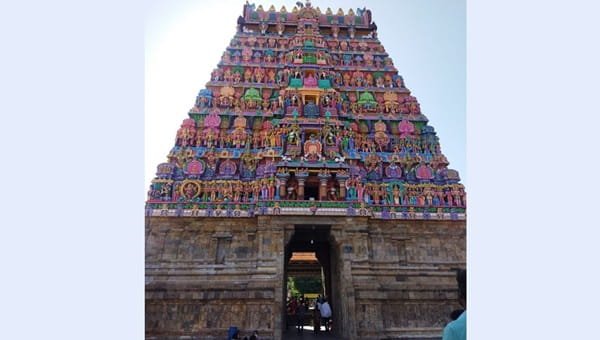
Because daily pujas divide the available darshan time into different sessions, a visit works best when planned rather than improvised. Pilgrims should consider the temple schedule, nearby rail connections and the wider Navagraha route when arranging a trip.
Vaitheeswaran Koil Timings, Entry Fees and Pujas
The following schedule is a practical starting point for planning. Opening hours and the moments when worshippers can enter the main prayer area are not always identical. The details that matter most are shown separately so that visitors do not mistake a ritual break for a complete closure.
Vaitheeswaran Koil Darshan Timings
| Activity / session | Published or indicative time |
| Morning darshan | 6:00 AM – 1:00 PM |
| Midday closure | 1:00 PM – 4:00 PM |
| Evening darshan | 4:00 PM – 8:30/9:00 PM; confirm locally |
| General entry | Usually free |
The Government of India tourism portal lists these hours. Special abhishekams may briefly interrupt access to particular shrines.
Important Daily Pujas and Sevas
Visitors offer prayers to Vaidyanathar, Goddess Thaiyalnayaki and Angarakan. Tuesday is particularly significant for Mars-related worship. The temple is associated with devotional offerings such as sacred ash and prayers for relief from suffering; these are religious practices, not a replacement for medical care.
Ordinary temple access is generally free unless a posted policy states otherwise. Paid archana, abhishekam or special-entry services are separate offerings, and they do not necessarily shorten every queue. Prices change; because a dependable current fee list was not available for every ritual, no speculative ticket figures are given here. Pay only at counters or platforms explicitly authorised by the managing institution.
Dress Code and Visitor Rules
Observe customary dress and photography restrictions. Seek medical attention for health concerns rather than treating ritual offerings as treatment.
For most temple visits, a saree, salwar kameez, dhoti or full-length trousers are safer choices than shorts or revealing clothing. Some sanctums require more specific traditional dress. Ask locally about footwear storage, accessible routes and any limitations on photography; never assume that a rule at one temple applies to every other shrine.
Vaitheeswaran Koil History and Religious Significance
Shiva as Vaidyanathar, the Divine Physician
Vaitheeswaran Koil, near Sirkazhi in Tamil Nadu, takes its name from Lord Shiva as Vaidyanathar—Lord of Healing. Temple tradition describes Shiva as a divine physician who relieves suffering, while Goddess Thaiyal Nayagi is associated with nurturing care and sacred medicine. Devotees pray for health and resilience, but these beliefs should not be confused with evidence that ritual worship can replace medical treatment.
The shrine’s older name, Pullirukkuvelur, connects it to a local sacred geography involving Jatayu and other figures from religious tradition. Murugan is also important here as Selva Muthukumaraswamy, and the temple’s religious significance extends beyond the principal Shiva sanctum.
The Nayanmar Hymns and Chola Inscriptions
This is one of Tamil Shaivism’s Paadal Petra Sthalams: a shrine celebrated in the Tevaram hymns of the Nayanmar saints, establishing its importance by the early medieval period. The temple also preserves inscriptions, many associated with the Chola era, including the time of Kulothunga Chola I. These records document gifts, renovations and the material support that allowed worship to continue.
Later regional patrons also contributed to its architecture and ritual setting. It would be misleading to assign the whole complex to one builder or year; like other large Tamil temples, its history consists of multiple phases.
Angarakan, Siddhamirtham and Temple Architecture
Vaitheeswaran Koil is one of the Navagraha pilgrimage temples linked with Mars, or Angarakan. Tuesday worship and prayers connected with Angaraka are popular among devotees. The sacred Siddhamirtham tank is surrounded by healing beliefs and temple legends. Bathing rules and water conditions should be checked locally, and the tank must not be treated as a medical cure.
Architecturally, the complex has Dravidian gateways, layered corridors, subsidiary shrines and the central Vaidyanathar sanctum. Its sculptures and bronze images reflect the region’s long religious artistic tradition.
Nadi Astrology and the Town’s Living Economy
The town has become widely associated with palm-leaf Nadi astrology, in which practitioners claim to identify readings linked to ancient sages. These consultations generally take place with independent readers outside the temple’s core ritual administration. Manuscript provenance, fees and the reliability of claims vary, so visitors should not treat every advertised reading as officially endorsed.
The combination of early Tamil devotional literature, healing traditions, Mars worship and the town’s distinctive manuscript-reading trade gives Vaitheeswaran Koil an identity quite unlike other Shiva pilgrimage destinations.
How To Reach Vaitheeswaran Koil
Vaitheeswaran Koil, Mayiladuthurai district, Tamil Nadu can be approached through regional air, railway and road connections. The nearest useful station is not always the station with the greatest number of long-distance trains, so travellers should compare the final road transfer before confirming tickets.
| Mode | Practical access point |
| By air | Tiruchirappalli Airport, approximately 130–150 km |
| By train | Vaitheeswaran Koil station or Mayiladuthurai Junction |
| By road | Road access from Mayiladuthurai, Sirkazhi and Chidambaram |
By Air
Tiruchirappalli airport provides a useful air route for this part of Tamil Nadu. After landing, continue by cab through the Kaveri delta.
By Train
Vaitheeswaran Koil has a local rail stop, but train frequency and stops vary. Sirkazhi or Mayiladuthurai may be more practical on your route.
By Road
The temple stands near Sirkazhi with roads to Mayiladuthurai and Chidambaram. It combines easily with a carefully planned Navagraha temple itinerary.
Best Time To Visit Vaitheeswaran Koil
The most comfortable general travel season is November to February. Temperatures, rainfall and daylight conditions affect queueing outdoors, walking between attractions and using public transport. Devotees specifically seeking a festival experience may prefer a busier season, provided they allow time for crowds and altered schedules.
| Season | Visitor conditions |
| November–February | Comfortable for temple visits and outdoor travel |
| March–May | Warm or hot; early visits advisable |
| June–October | Monsoon or post-monsoon conditions vary locally |
Major Festivals
Important annual occasions include Maha Shivaratri, Panguni observances and Tuesday Angaraka worship. Such celebrations change the atmosphere considerably: decorated deities, processions or extended worship may be a highlight, but queues and room prices can rise. Families wanting a relatively quiet darshan should prefer an ordinary weekday outside the main festival period.
Nearby Attractions
The places below offer useful context for the temple’s history and the surrounding region. Distances, access arrangements and opening hours vary, so allow time rather than rushing between stops.
- Sattainathar Temple, Sirkazhi — An important Shaiva complex associated with Sambandar and the early Tamil devotional tradition.
- Chidambaram Nataraja Temple — The celebrated Shiva-as-dancer shrine, requiring additional time to appreciate its architecture and worship.
- Thirunallar Temple — A Navagraha pilgrimage destination associated with Shani, best included in a planned longer circuit rather than a hurried detour.
Accommodation and Essential Travel Tips
Navagraha tours often pack several temples into one day. Leave time for this large complex rather than relying on a rushed 20-minute visit.
Book a room in a convenient town rather than choosing accommodation only by the lowest displayed price. Ask about check-in rules, parking, accessibility and the last local bus. Carry identification, drinking water, essential medicines and a modest amount of cash for small purchases. Where official booking facilities exist, use the genuine temple or church channels rather than agents who promise guaranteed priority access.
Frequently Asked Questions About Vaitheeswaran Koil
Q. What are the timings of Vaitheeswaran Koil?
The main published schedule is: morning darshan, 6:00 AM – 1:00 PM. Other sessions appear in the timings table above. The Government of India tourism portal lists these hours. Special abhishekams may briefly interrupt access to particular shrines.
Q. Is entry to Vaitheeswaran Koil free?
General worship access is normally free. Optional paid rituals or independently advertised events may have charges. Confirm any current fee with authorised staff; a general admission ticket should never be inferred from an unverified travel listing.
Q. What should visitors wear to Vaitheeswaran Koil?
Wear modest, respectful clothing suitable for the place of worship. Some inner temple areas have stricter traditional dress requirements. Follow onsite notices, particularly about footwear, mobile phones and photography.
Q. How can I reach Vaitheeswaran Koil by train?
Vaitheeswaran Koil station or Mayiladuthurai Junction. Arrange local transport for the last part of the journey, and check the train’s actual station stop before booking.
Q. What is the best time of year to visit Vaitheeswaran Koil?
November to February is generally comfortable for travel. Festival days such as Maha Shivaratri can be memorable but considerably busier.
Q. What else can I visit near Vaitheeswaran Koil?
Common choices include Sirkazhi Sattainathar Temple, Chidambaram Nataraja Temple. Allow enough time for queues and the final road transfer rather than assuming everything can be covered quickly.