 By Meghna Sharma
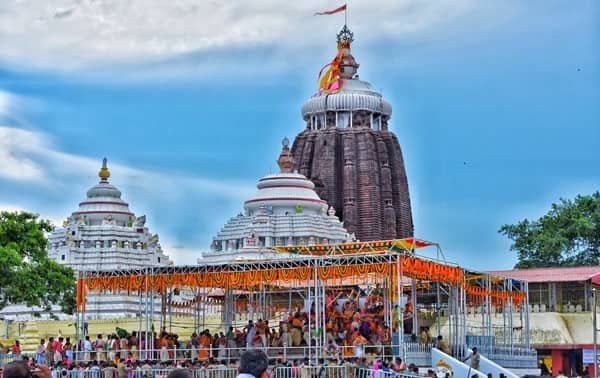
The sound of temple bells, the movement of pilgrims along Bada Danda and the presence of Lord Jagannath give Puri a religious identity unlike any other coastal town in India. The Shree Jagannath Temple is one of the four sacred Char Dham destinations and the spiritual heart of Odisha. Here, Lord Jagannath is worshipped with his siblings Balabhadra and Subhadra through a rich daily cycle of rituals.
Puri’s importance reaches beyond the main sanctum. The temple’s Mahaprasad tradition, historic kitchens, festivals and generations of hereditary service connect worship with everyday Odia culture. The annual Rath Yatra, when the deities travel in towering wooden chariots, is known throughout the world. At other times of year, pilgrims experience a different rhythm of prayer, offerings and temple visits.
Planning carefully is essential because darshan does not follow one uninterrupted public timetable. Rituals, crowds and religious restrictions can affect entry, while the surrounding town offers additional temples, beaches and heritage sites. Good timing helps visitors approach this deeply revered shrine with patience and respect.
Puri Temple Timings, Entry Fees and Pujas
The following schedule is a practical starting point for planning. Opening hours and the moments when worshippers can enter the main prayer area are not always identical. The details that matter most are shown separately so that visitors do not mistake a ritual break for a complete closure.
Puri Temple Darshan Timings
| Activity / session | Published or indicative time |
| Opening rites | Generally around 5:00 AM |
| Morning and daytime public darshan | Available in intervals, interrupted by nitis |
| Evening darshan | Resumes around worship and bhog periods |
| Final closing | About 11:00 PM; varies with rituals |
| General entry | Free for eligible devotees |
There is no single uninterrupted 5 AM–11 PM darshan promise: Jagannath’s daily nitis and bhog offerings interrupt access. Use the temple administration’s day-specific notices or Shree Jagannatha Dham official visitor app.
Important Daily Pujas and Sevas
Dwaraphita, Mangala Alati, Mailam, Abakasha, Gopala Ballabha, Sakala Dhupa, Madhyahna Dhupa and Badasinghara Besha are among the celebrated nitis. Mahaprasad is distributed through the Ananda Bazaar system, but kitchen schedules and stock vary by day.
Ordinary temple access is generally free unless a posted policy states otherwise. Paid archana, abhishekam or special-entry services are separate offerings, and they do not necessarily shorten every queue. Prices change; because a dependable current fee list was not available for every ritual, no speculative ticket figures are given here. Pay only at counters or platforms explicitly authorised by the managing institution.
Dress Code and Visitor Rules
The temple traditionally restricts inner entry to Hindus. Mobile phones, cameras, leather goods and inappropriate attire are prohibited or restricted. Follow the administration’s current notices.
For most temple visits, a saree, salwar kameez, dhoti or full-length trousers are safer choices than shorts or revealing clothing. Some sanctums require more specific traditional dress. Ask locally about footwear storage, accessible routes and any limitations on photography; never assume that a rule at one temple applies to every other shrine.
Puri Temple History and Religious Significance
The Legend of Nilamadhava and the Wooden Deities
The spiritual history of Shree Jagannath Temple begins with the worship of Jagannath, the Lord of the Universe, alongside Balabhadra and Subhadra. In the traditional account, King Indradyumna searched for the mysterious deity Nilamadhava, worshipped in secret by the forest devotee Visvavasu. After receiving divine guidance, the king had sacred images fashioned from a special log of wood known as daru. The unfinished-looking figures became a distinctive expression of divine presence rather than a flaw to be corrected.
These stories belong to devotional literature and oral tradition. They should be distinguished from the history that can be established through inscriptions, architectural study and royal records. Jagannath worship also reflects a long interaction among regional, Vaishnava and other religious traditions of Odisha.
The Eastern Ganga Kings and the Present Temple
The monumental stone temple now dominating Puri was built principally in the twelfth century under Eastern Ganga ruler Anantavarman Chodaganga Deva, with works and arrangements continuing under later kings. Its growth made Puri a major religious and political centre. The Gajapati rulers of Odisha subsequently developed a particularly close relationship with the deity: in temple tradition, the king is regarded as a servant of Jagannath rather than his superior.
This connection survives visibly during Rath Yatra, when the Gajapati performs Chera Pahara, ceremonially sweeping the chariot platforms. The temple has also attracted saints and teachers from diverse traditions, among them Chaitanya Mahaprabhu, whose devotion to Jagannath profoundly influenced eastern Indian Vaishnavism.
Kalinga Architecture and the Sacred Kitchen
Shree Mandira is a leading example of Kalinga architecture. Its towering deul over the sanctum rises above the assembly hall, dance hall and offering hall, enclosed within substantial walls. The eastern Singhadwara, or Lion Gate, is the best-known entrance. The blue wheel, Nilachakra, and the daily changing of the temple flag are prominent features of the skyline.
The temple kitchen produces Mahaprasad in earthen pots, and cooked food is shared and sold at Ananda Bazaar. This food tradition is central to the temple’s public religious identity. Its importance cannot be reduced to a tourist attraction: Mahaprasad is regarded as a sacred offering by devotees.
Rath Yatra, Nabakalebara and Everyday Worship
Rath Yatra carries the three deities to Gundicha Temple in immense wooden chariots and brings the ritual life of Puri into the streets. On selected years, Nabakalebara renews the wooden images in a complex ceremony. Daily worship follows many nitis, or prescribed services, which is why darshan cannot always be predicted by a simple uninterrupted timetable. The temple stands at the meeting point of royal patronage, living ritual, devotional poetry and Odisha’s own cultural identity.
How To Reach Puri Temple
Puri, Odisha can be approached through regional air, railway and road connections. The nearest useful station is not always the station with the greatest number of long-distance trains, so travellers should compare the final road transfer before confirming tickets.
| Mode | Practical access point |
| By air | Biju Patnaik International Airport Bhubaneswar, roughly 60 km |
| By train | Puri Railway Station, around 2–3 km from the temple area |
| By road | NH316 from Bhubaneswar; frequent intercity buses and taxis |
By Air
Biju Patnaik International Airport in Bhubaneswar is the principal air gateway. Allow roughly 60 km of onward road travel and longer during holidays or heavy traffic.
By Train
Puri railway station is well linked to Bhubaneswar and many Indian cities. Autos and taxis can take visitors towards the pedestrian approach to the Singhadwara.
By Road
NH316 connects Puri with Bhubaneswar. Use designated parking and arrive at the entry route on foot; cars cannot simply drive up to the inner temple entrance.
Best Time To Visit Puri Temple
The most comfortable general travel season is October to February. Temperatures, rainfall and daylight conditions affect queueing outdoors, walking between attractions and using public transport. Devotees specifically seeking a festival experience may prefer a busier season, provided they allow time for crowds and altered schedules.
| Season | Visitor conditions |
| October–February | Generally comfortable for pilgrimage |
| March–May | Warm to hot and humid |
| June–September | Monsoon rain; plan extra travel time |
Major Festivals
Important annual occasions include Rath Yatra, Snana Purnima, Chandan Yatra and Kartika observances. Such celebrations change the atmosphere considerably: decorated deities, processions or extended worship may be a highlight, but queues and room prices can rise. Families wanting a relatively quiet darshan should prefer an ordinary weekday outside the main festival period.
Nearby Attractions
The places below offer useful context for the temple’s history and the surrounding region. Distances, access arrangements and opening hours vary, so allow time rather than rushing between stops.
- Gundicha Temple — The ceremonial destination of the three deities during Rath Yatra, central to understanding why Puri’s great chariot festival follows its traditional route.
- Narendra Pushkarini — A sacred tank associated with Chandan Yatra; check seasonal access and festival schedules before visiting.
- Puri beach and Raghurajpur — The coast offers an evening walk, while Raghurajpur is known for its Pattachitra artists and traditional crafts.
Accommodation and Essential Travel Tips
On crowded days queue arrangements and traffic restrictions change. Arrive with minimal bags and do not depend on a fixed promise of waiting time. The temple’s official app is useful for daily schedules.
Book a room in a convenient town rather than choosing accommodation only by the lowest displayed price. Ask about check-in rules, parking, accessibility and the last local bus. Carry identification, drinking water, essential medicines and a modest amount of cash for small purchases. Where official booking facilities exist, use the genuine temple or church channels rather than agents who promise guaranteed priority access.
Frequently Asked Questions About Puri Temple
Q. What are the timings of Puri Temple?
The main published schedule is: opening rites, Generally around 5:00 AM. Other sessions appear in the timings table above. There is no single uninterrupted 5 AM–11 PM darshan promise: Jagannath’s daily nitis and bhog offerings interrupt access. Use the temple administration’s day-specific notices or Shree Jagannatha Dham official visitor app.
Q. Is entry to Puri Temple free?
General worship access is normally free. Optional paid rituals or independently advertised events may have charges. Confirm any current fee with authorised staff; a general admission ticket should never be inferred from an unverified travel listing.
Q. What should visitors wear to Puri Temple?
Wear modest, respectful clothing suitable for the place of worship. Some inner temple areas have stricter traditional dress requirements. Follow onsite notices, particularly about footwear, mobile phones and photography.
Q. How can I reach Puri Temple by train?
Puri Railway Station, around 2–3 km from the temple area. Arrange local transport for the last part of the journey, and check the train’s actual station stop before booking.
Q. What is the best time of year to visit Puri Temple?
October to February is generally comfortable for travel. Festival days such as Rath Yatra can be memorable but considerably busier.
Q. What else can I visit near Puri Temple?
Common choices include Gundicha Temple, Narendra Pushkarini. Allow enough time for queues and the final road transfer rather than assuming everything can be covered quickly.