 By Meghna Sharma
In the heart of Tamil Nadu’s Chettinad region, Pillayarpatti is known for one of the state’s most distinctive Ganesha shrines. The Karpaga Vinayagar Temple houses a revered rock-cut image of Lord Ganesha within an ancient cave sanctuary. The quiet village setting, traditional ceremonies and long history of worship give the temple a character very different from the grand, multi-courtyard shrines of larger cities.
The name Karpaga Vinayagar recalls the wish-fulfilling Karpaga tree of Tamil religious tradition. For devotees, the deity is a source of blessings before important family events, journeys and new beginnings. For visitors interested in heritage, the cave, inscriptions and later temple structures reveal how sacred places have developed across many generations. Vinayaka Chaturthi is among the occasions that bring particularly large crowds.
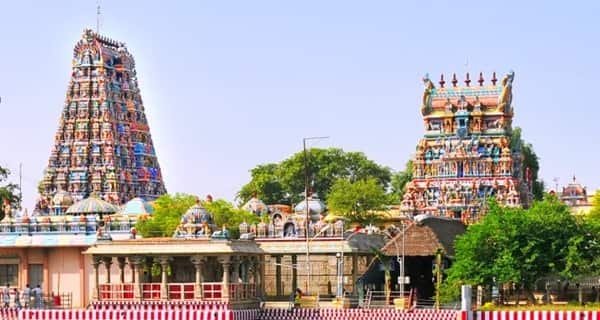
Pillayarpatti is often combined with a wider Chettinad trip or a visit to the shrines around Karaikudi. Public darshan breaks, puja times and local road connections deserve attention when arranging an itinerary.
Pillayarpatti Temple Timings, Entry Fees and Pujas
The following schedule is a practical starting point for planning. Opening hours and the moments when worshippers can enter the main prayer area are not always identical. The details that matter most are shown separately so that visitors do not mistake a ritual break for a complete closure.
Pillayarpatti Temple Darshan Timings
| Activity / session | Published or indicative time |
| Morning darshan | 6:00 AM – 1:00 PM (TN HR&CE) |
| Midday closure | 1:00 PM – 4:00 PM |
| Evening darshan | 4:00 PM – 8:00 PM (TN HR&CE) |
| Thiruvanandal puja | 6:00 AM – 6:30 AM |
| Kaalasanthi puja | 8:30 AM – 9:00/9:30 AM |
| Arthajama puja | 7:30/7:45 PM – 8:00/8:30 PM |
The Tamil Nadu HR&CE listing ends regular sessions at 1:00 PM and 8:00 PM; the temple’s own website describes 1:30 PM and 8:30 PM. For a safe visit arrive before 1:00 PM or 8:00 PM.
Important Daily Pujas and Sevas
Thiruvanandal, Kaalasanthi, Uchikalam, Sayaratsai and Arthajama pujas structure the worship day. Special arrangements are made during Vinayaka Chaturthi, when the village receives many devotees.
Ordinary temple access is generally free unless a posted policy states otherwise. Paid archana, abhishekam or special-entry services are separate offerings, and they do not necessarily shorten every queue. Prices change; because a dependable current fee list was not available for every ritual, no speculative ticket figures are given here. Pay only at counters or platforms explicitly authorised by the managing institution.
Dress Code and Visitor Rules
Traditional dress is preferred for special pujas. Confirm abhishekam bookings with the temple administration ahead of time.
For most temple visits, a saree, salwar kameez, dhoti or full-length trousers are safer choices than shorts or revealing clothing. Some sanctums require more specific traditional dress. Ask locally about footwear storage, accessible routes and any limitations on photography; never assume that a rule at one temple applies to every other shrine.
Pillayarpatti Temple History and Religious Significance
The Ancient Cave Sanctuary and Its Inscriptions
At Pillayarpatti, the sacred image is not a statue placed inside an ordinary modern building. Lord Karpaga Vinayagar is carved directly into the rock of an early cave sanctuary. The shrine belongs to the long tradition of rock-cut sacred architecture found across the old Pandya country. Local accounts assign the site an age of many centuries and sometimes claim more than two millennia; precise dates for the earliest carving remain debated. Its surviving inscriptions and later additions offer firmer clues to the settlement’s historical development.
Inscriptions associated with the complex record religious gifts and changes across medieval centuries. They also preserve evidence of Tamil’s development and the patronage given to a once modest cave shrine. The original chamber houses a Shiva Linga called Thiruveesar alongside the celebrated Ganesha image, reminding visitors that the complex developed as a wider Shaiva place of worship rather than a single-deity monument.
Why Karpaga Vinayagar Looks Different
The seated Ganesha is famed for a distinctive image with two arms and a trunk curved to the right, traditionally described as Valampuri Vinayagar. This contrasts with many later popular four-armed Ganesha images. The deity holds an especially respected position among devotees who pray before marriage ceremonies, examinations, business ventures and journeys. The name Karpaga refers to the wish-fulfilling celestial tree, a religious expression of the divine generosity attributed to Vinayagar.
The stone sanctum’s simplicity is an important part of its attraction: it allows pilgrims to see the early sculptural form without confusing it with much later ornamental constructions. Worship follows Tamil Shaiva conventions, and the first offering of respect often goes to Ganapati before any other shrine is approached.
Expansion Under Later Patrons
Around the rock-cut heart grew a larger temple with a gateway tower, courtyards, mandapams and space for seasonal festivals. Successive Pandya and later regional patrons helped shape this outward temple landscape. The Nagarathar community, whose heritage is deeply connected with Chettinad, has played an important role in its upkeep and public religious life. The result is an unusual architectural sequence: an early cave image surrounded by halls and ritual spaces of later centuries.
Festivals and Living Heritage
Vinayaka Chaturthi brings extended celebrations and thousands of pilgrims to the village. Regular pujas—Thiruvanandal, Kaalasanthi, Uchikalam, Sayaratsai and Arthajama—are a reminder that this is not simply an archaeological site. The cave continues to be used for daily worship. The temple’s heritage is best understood by looking carefully at its sculpture and inscriptions while also observing the devotion that keeps the shrine active.
How To Reach Pillayarpatti Temple
Pillayarpatti, Sivaganga district, Tamil Nadu can be approached through regional air, railway and road connections. The nearest useful station is not always the station with the greatest number of long-distance trains, so travellers should compare the final road transfer before confirming tickets.
| Mode | Practical access point |
| By air | Madurai Airport, about 75–90 km |
| By train | Karaikudi Junction, around 12–15 km |
| By road | Road connections from Karaikudi and Tirupattur |
By Air
Madurai is the most useful airport for most visitors. From there, arrange a cab towards Karaikudi and Pillayarpatti; travellers approaching through Tiruchirappalli should compare the route and flight options before booking.
By Train
Karaikudi Junction is the usual railway gateway. The final road journey is short, but late-night passengers should prearrange local transport because village services may be limited.
By Road
Pillayarpatti lies between Karaikudi and Tiruppattur. Roads are generally straightforward outside major festival days, when parking and access controls may affect the final approach.
Best Time To Visit Pillayarpatti Temple
The most comfortable general travel season is November to February. Temperatures, rainfall and daylight conditions affect queueing outdoors, walking between attractions and using public transport. Devotees specifically seeking a festival experience may prefer a busier season, provided they allow time for crowds and altered schedules.
| Season | Visitor conditions |
| November–February | Comfortable for temple visits and outdoor travel |
| March–May | Warm or hot; early visits advisable |
| June–October | Monsoon or post-monsoon conditions vary locally |
Major Festivals
Important annual occasions include Vinayaka Chaturthi and the ten-day temple festival. Such celebrations change the atmosphere considerably: decorated deities, processions or extended worship may be a highlight, but queues and room prices can rise. Families wanting a relatively quiet darshan should prefer an ordinary weekday outside the main festival period.
Nearby Attractions
The places below offer useful context for the temple’s history and the surrounding region. Distances, access arrangements and opening hours vary, so allow time rather than rushing between stops.
- Kundrakudi Murugan Temple — A hill shrine near Karaikudi where a short ascent rewards devotees with views of the surrounding Chettinad countryside.
- Karaikudi Chettinad mansions — The region’s spacious merchant houses are known for courtyards, patterned tiles and the distinctive architectural legacy of the Nagarathar community.
- Thirumayam Fort — A historic rock fort with religious shrines and viewpoints, suitable for a separate heritage stop when travelling towards Pudukkottai.
Accommodation and Essential Travel Tips
Check the two published closing times; an earlier arrival avoids disappointment. The temple has published wheelchair assistance provisions.
Book a room in a convenient town rather than choosing accommodation only by the lowest displayed price. Ask about check-in rules, parking, accessibility and the last local bus. Carry identification, drinking water, essential medicines and a modest amount of cash for small purchases. Where official booking facilities exist, use the genuine temple or church channels rather than agents who promise guaranteed priority access.
Frequently Asked Questions About Pillayarpatti Temple
Q. What are the timings of Pillayarpatti Temple?
The main published schedule is: morning darshan, 6:00 AM – 1:00/1:30 PM. Other sessions appear in the timings table above. The Tamil Nadu HR&CE listing ends regular sessions at 1:00 PM and 8:00 PM; the temple’s own website describes 1:30 PM and 8:30 PM. For a safe visit arrive before 1:00 PM or 8:00 PM.
Q. Is entry to Pillayarpatti Temple free?
General worship access is normally free. Optional paid rituals or independently advertised events may have charges. Confirm any current fee with authorised staff; a general admission ticket should never be inferred from an unverified travel listing.
Q. What should visitors wear to Pillayarpatti Temple?
Wear modest, respectful clothing suitable for the place of worship. Some inner temple areas have stricter traditional dress requirements. Follow onsite notices, particularly about footwear, mobile phones and photography.
Q. How can I reach Pillayarpatti Temple by train?
Karaikudi Junction, around 12–15 km. Arrange local transport for the last part of the journey, and check the train’s actual station stop before booking.
Q. What is the best time of year to visit Pillayarpatti Temple?
November to February is generally comfortable for travel. Festival days such as Vinayaka Chaturthi and the ten-day temple festival can be memorable but considerably busier.
Q. What else can I visit near Pillayarpatti Temple?
Common choices include Kundrakudi Murugan Temple, Karaikudi Chettinad mansions. Allow enough time for queues and the final road transfer rather than assuming everything can be covered quickly.