 By Saurav Mehra
 Yes, the Andaman and Nicobar Islands are officially part of India. They are a Union Territory of India located in the Bay of Bengal in the eastern Indian Ocean.
The islands are governed directly by the Government of India through an appointed Lieutenant Governor. Although they are geographically far from mainland India, they are fully integrated into the country politically, legally, and administratively.
The Andaman and Nicobar Islands are also extremely important for India because of their strategic military location, natural beauty, tribal heritage, and maritime significance.
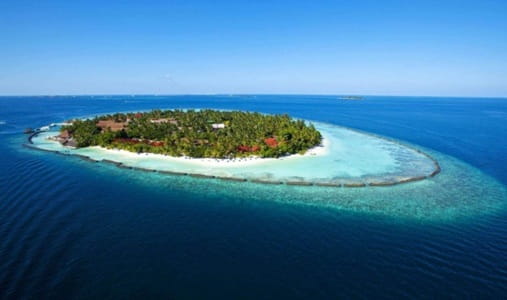
Where Are the Andaman and Nicobar Islands Located?
The Andaman and Nicobar Islands are situated in the Bay of Bengal, southeast of mainland India.
The island chain lies closer to countries like:
- Myanmar
- Thailand
- Indonesia
than to many parts of mainland India.
The capital city of the Union Territory is Port Blair.
The territory consists of hundreds of islands, although only a small number are inhabited.
Are They Legally Part of India?
Yes. The Andaman and Nicobar Islands are internationally recognized as Indian territory.
They are administered as one of India’s eight Union Territories.
Residents of the islands are Indian citizens and follow:
- Indian laws
- Indian constitution
- Indian currency system
- Indian elections and governance
The islands are represented politically within India’s parliamentary system.
Historical Background
The history of the islands is long and complex.
Indigenous Tribes
The islands were originally inhabited by indigenous tribal communities for thousands of years.
Some of the well-known tribal groups include:
- Great Andamanese
- Jarwa
- Onge
- Sentinelese
- Nicobarese
Several of these tribes have remained isolated from the modern world.
The North Sentinel Island, home to the Sentinelese tribe, is one of the most isolated places on Earth.
British Colonial Rule
The British Empire took control of the islands during colonial rule in India.
Cellular Jail
The islands became famous for the Cellular Jail, also known as “Kala Pani.”
The British used this prison to exile Indian freedom fighters and political prisoners during the independence movement.
Many important revolutionaries were imprisoned there under harsh conditions.
Today, the Cellular Jail is a major national memorial in India.
Japanese Occupation During World War II
During World War II, Japan occupied the islands for a brief period between 1942 and 1945.
During this time, Subhas Chandra Bose symbolically hoisted the Indian national flag in Port Blair in 1943 under the Azad Hind Government.
After the war, British control returned until India gained independence in 1947.
Integration With Independent India
After India became independent, the Andaman and Nicobar Islands remained under Indian sovereignty.
Today, they are fully governed as part of India and hold major strategic importance for the country.
Strategic Importance of the Islands
The Andaman and Nicobar Islands are highly important for India’s national security.
Location Near International Sea Routes
The islands sit close to the Malacca Strait, one of the world’s busiest shipping routes connecting:
- The Indian Ocean
- The Pacific Ocean
- Southeast Asia
A large amount of global trade and energy shipments pass near this region.
Military Significance
India maintains strong naval, air force, and military presence on the islands.
The islands help India monitor activities in the eastern Indian Ocean and strengthen its strategic position in Asia.
The Andaman and Nicobar Command is India’s only tri-service military command involving:
- Army
- Navy
- Air Force
Tourism and Natural Beauty
The islands are also famous for tourism.
They are known for:
- White sand beaches
- Coral reefs
- Tropical forests
- Marine life
- Scuba diving and snorkeling
Popular tourist destinations include:
- Havelock Island
- Radhanagar Beach
- Ross Island
Tourism has become an important part of the local economy.
Tribal Protection and Restrictions
Some areas in the islands are heavily protected to preserve indigenous tribes and fragile ecosystems.
Foreigners and even Indian citizens need special permissions to visit certain restricted tribal zones.
The Indian government limits outside contact with isolated tribes to protect their culture and health.
Final Answer
So, yes, the Andaman and Nicobar Islands are fully part of India. They are an Indian Union Territory with major strategic, historical, and cultural importance. Although geographically separated from mainland India, the islands are politically and legally integrated into the Republic of India and remain one of the country’s most significant maritime regions.