 By Santosh Kumar
 Solar energy is one of the most important renewable sources of energy available today. It is obtained from the sun’s radiation and converted into electricity or heat using solar panels and solar devices. With rising electricity demand, increasing fuel prices, and growing concern about environmental pollution, solar energy is gaining popularity all over the world, including India.
India receives abundant sunlight for most of the year, which makes solar energy a practical and promising option. Governments, industries, and households are slowly shifting towards solar power. However, solar energy also has certain limitations. To understand its real value, it is necessary to study both its advantages and disadvantages in detail.
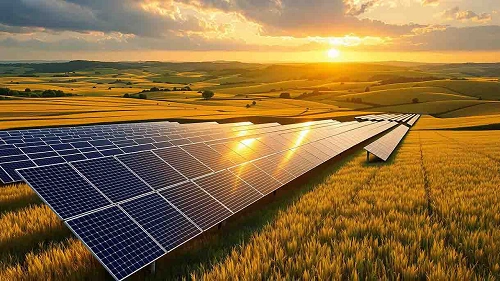
Advantages of Solar Energy
1. Renewable and Unlimited Source of Energy
The biggest advantage of solar energy is that it is renewable. The sun is a natural and unlimited source of energy and will continue to provide power for billions of years.
Unlike fossil fuels such as coal, petrol, and natural gas, solar energy will never run out. This makes it a long-term solution for meeting future energy needs.
2. Environment Friendly and Non-Polluting
Solar energy is clean and does not produce air pollution, water pollution, or greenhouse gases during electricity generation.
By using solar power, we can reduce carbon emissions and slow down global warming. This helps protect the environment, human health, and natural ecosystems.
3. Reduces Electricity Bills
One major benefit of solar energy is reduced electricity cost. Once solar panels are installed, they generate free electricity from sunlight.
Homes, offices, and industries can save a large amount of money on power bills. In some cases, excess electricity can be sold back to the grid.
4. Low Maintenance Cost
Solar power systems require very little maintenance. Solar panels do not have moving parts, so wear and tear is minimal.
Regular cleaning and basic checks are enough to keep the system running efficiently for many years, often 20–25 years or more.
5. Suitable for Remote and Rural Areas
Solar energy is very useful in remote and rural areas where electricity supply is limited or unavailable.
Solar panels can be installed independently without relying on power grids. This supports rural development, education, healthcare, and communication.
6. Reduces Dependence on Fossil Fuels
Using solar energy reduces dependence on fossil fuels, which are expensive and harmful to the environment.
This also reduces the need for importing fuel from other countries, improving energy security and saving foreign exchange.
7. Creates Employment Opportunities
The solar energy sector creates jobs in manufacturing, installation, maintenance, and research.
As solar power projects increase, employment opportunities also grow, supporting economic development.
8. Silent Source of Energy
Solar power generation is completely silent. Unlike generators or thermal power plants, it does not produce noise pollution.
This makes it suitable for residential areas, hospitals, and schools.
Disadvantages of Solar Energy
1. High Initial Installation Cost
One of the biggest disadvantages of solar energy is the high initial cost. Installing solar panels, inverters, batteries, and wiring requires a large investment.
Although long-term savings are high, the upfront cost can be difficult for many households and small businesses.
2. Depends on Weather and Sunlight
Solar energy depends on sunlight. Cloudy weather, rain, fog, and dust reduce the efficiency of solar panels.
Solar power generation is low during monsoon and not available at night, making it an unreliable source without storage systems.
3. Requires Large Space
Solar panels require a large area for installation, especially for generating high amounts of electricity.
In crowded cities and small houses, finding sufficient space for panels can be difficult.
4. Energy Storage Is Expensive
To use solar power at night or during cloudy days, energy storage systems like batteries are required.
These batteries are costly, have limited life, and increase the overall system cost.
5. Lower Efficiency Compared to Other Sources
Solar panels have limited efficiency. A large portion of sunlight is not converted into electricity.
Compared to thermal or nuclear power plants, solar energy produces less power per unit area.
6. Manufacturing Has Environmental Impact
Although solar energy is clean during use, manufacturing solar panels requires raw materials, energy, and chemicals.
This process can cause pollution if not managed properly.
7. Disposal and Recycling Issues
Solar panels have a long lifespan, but after 20–25 years, they need to be replaced.
Proper disposal and recycling of old panels is a challenge and may create environmental issues in the future.
8. Not Suitable for All Locations
Areas with low sunlight, heavy snowfall, or frequent cloudy weather are not ideal for solar energy.
In such regions, solar power alone cannot meet energy needs.
Conclusion
Solar energy is a clean, renewable, and sustainable source of power that helps reduce pollution and dependence on fossil fuels. It offers long-term benefits like lower electricity bills and environmental protection. However, challenges such as high initial cost, weather dependence, and storage issues cannot be ignored. With technological improvement and government support, solar energy can play a major role in meeting future energy needs.