 By Editor
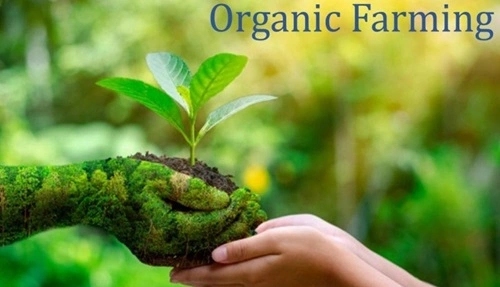
 Organic farming is an agricultural system that focuses on growing crops and raising animals using natural methods. It avoids the use of synthetic fertilizers, chemical pesticides, genetically modified seeds, and artificial growth regulators. Instead, it depends on organic manure, compost, crop rotation, green manure, and biological pest control.
In India, organic farming is gaining attention because of rising health concerns, soil degradation, and environmental pollution caused by chemical farming. Many farmers and consumers now see organic farming as a sustainable and healthier alternative. However, organic farming is not without challenges. To understand it clearly, we need to look at its advantages and disadvantages in detail.
Advantages of Organic Farming
1. Improves Soil Health and Fertility
One of the biggest advantages of organic farming is its positive impact on soil health. Organic farming uses natural fertilizers like compost, farmyard manure, green manure, and vermicompost. These materials improve soil structure, increase water-holding capacity, and promote beneficial microorganisms.
Over time, organic farming restores soil fertility instead of exhausting it. Healthy soil leads to better root development and long-term productivity, which is essential for sustainable agriculture.
2. Produces Healthy and Chemical-Free Food
Organic farming produces food that is free from harmful chemical residues. Since no synthetic pesticides or fertilizers are used, organic fruits, vegetables, and grains are considered safer for human consumption.
Many studies suggest that organic food contains higher nutritional value, better taste, and fewer toxins. This is especially important for children, pregnant women, and people with health issues.
3. Environment Friendly Farming Method
Organic farming protects the environment in several ways. It reduces soil erosion, prevents water pollution, and lowers air contamination caused by chemical sprays.
By avoiding synthetic chemicals, organic farming protects rivers, groundwater, insects, birds, and other wildlife. It also helps in reducing carbon footprint and supports ecological balance.
4. Maintains Biodiversity
Organic farms encourage biodiversity. Crop rotation, mixed cropping, and natural pest control methods create a balanced ecosystem.
Beneficial insects, earthworms, birds, and microorganisms thrive in organic farms. This natural balance reduces pest attacks and improves overall farm health without disturbing nature.
5. Reduces Dependence on External Inputs
Organic farming reduces dependence on costly chemical fertilizers and pesticides. Farmers use locally available resources such as cow dung, crop waste, and plant-based pesticides.
This lowers input costs in the long run and makes farmers more self-reliant, especially small and marginal farmers.
6. Long-Term Sustainability
Unlike chemical farming, which may increase yield temporarily but damages soil in the long run, organic farming focuses on long-term productivity.
It ensures that land remains fertile for future generations and supports sustainable agricultural practices that do not harm natural resources.
7. Better Market Value and Demand
Organic products often get higher prices in the market. Health-conscious consumers are willing to pay more for organic food.
This creates better income opportunities for farmers, especially when supported by proper certification and marketing.
Disadvantages of Organic Farming
1. Lower Yield in the Initial Years
One of the major disadvantages of organic farming is lower crop yield, especially in the initial years. Since the soil needs time to recover from chemical use, productivity may drop during the transition period.
This can be challenging for farmers who depend on regular income from farming.
2. Labour Intensive and Time-Consuming
Organic farming requires more labour and time. Activities like compost preparation, manual weeding, and natural pest control demand continuous effort.
Compared to chemical farming, organic methods are slower and require close monitoring of crops.
3. Limited Availability of Organic Inputs
Quality organic inputs such as bio-fertilizers, organic seeds, and natural pesticides are not easily available everywhere.
In many rural areas, farmers lack access to proper training and resources, making organic farming difficult to adopt.
4. Higher Cost of Production Initially
Although organic farming reduces input costs in the long run, the initial cost can be high. Certification, training, and infrastructure development require investment.
Small farmers may find it difficult to manage these costs without government support.
5. Pest and Disease Management Challenges
Without chemical pesticides, controlling pests and diseases becomes challenging. Organic pest control methods are effective but slower.
Severe pest attacks can cause heavy crop losses if not managed properly and on time.
6. Storage and Shelf-Life Issues
Organic produce often has a shorter shelf life because it does not contain preservatives.
This creates problems in storage, transportation, and long-distance marketing, especially for fruits and vegetables.
7. Limited Awareness and Market Access
Many consumers are still unaware of the benefits of organic food. Farmers also struggle to find proper markets to sell their produce at fair prices.
Lack of direct market access reduces profitability and discourages farmers from adopting organic practices.
Conclusion
Organic farming offers long-term benefits for soil, human health, and the environment. However, challenges like lower initial yield, higher labour, and limited resources cannot be ignored. With proper support, awareness, and planning, organic farming can become a strong and sustainable solution for the future of agriculture.