 By Meghna Sharma
A short journey north of Bengaluru leads to Ghati Subramanya Temple, a countryside shrine especially associated with Lord Subramanya and serpent worship. Families visit to offer prayers, fulfil vows and take part in rituals rooted in Karnataka’s regional devotional traditions. The setting, away from the city’s crowded commercial areas, gives this pilgrimage a different pace from a typical Bengaluru temple visit.
The sanctum is distinctive for its association with both Subramanya and Lord Narasimha. According to temple tradition, their forms are connected in an unusual arrangement, and a mirror allows devotees to view the second deity. This combination of worship gives Ghati Subramanya a special place among the region’s sacred sites. Festival days and occasions associated with naga worship can bring substantial queues.
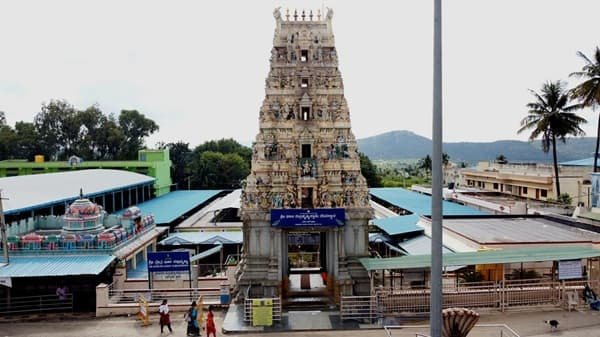
Although the temple is popular as a day trip from Bengaluru, the practical details still matter. Travellers should plan for the approach through Doddaballapura, verify the public darshan windows and allow time for any special pujas they wish to perform.
Ghati Subramanya Temple Timings, Entry Fees and Pujas
The following schedule is a practical starting point for planning. Opening hours and the moments when worshippers can enter the main prayer area are not always identical. The details that matter most are shown separately so that visitors do not mistake a ritual break for a complete closure.
Ghati Subramanya Temple Darshan Timings
| Activity / session | Published or indicative time |
| Temple opening | 6:00 AM |
| Regular visiting span | 6:00 AM – 8:00 PM |
| Temple closing | 8:00 PM |
| General entry | Usually free; rituals charged separately |
The Union Ministry of Tourism publishes 6:00 AM to 8:00 PM as the temple’s visiting hours. Individual sevas and ceremonies can interrupt access.
Important Daily Pujas and Sevas
Devotees perform archana and naga-related worship according to local practice. Sarpa Samskara and other specialist rites should never be assumed to be walk-in or universally available; verify the exact procedure with temple staff.
Ordinary temple access is generally free unless a posted policy states otherwise. Paid archana, abhishekam or special-entry services are separate offerings, and they do not necessarily shorten every queue. Prices change; because a dependable current fee list was not available for every ritual, no speculative ticket figures are given here. Pay only at counters or platforms explicitly authorised by the managing institution.
Dress Code and Visitor Rules
Wear modest clothes and use temple counters for ritual bookings. Photography or mobile restrictions may apply near the sanctum.
For most temple visits, a saree, salwar kameez, dhoti or full-length trousers are safer choices than shorts or revealing clothing. Some sanctums require more specific traditional dress. Ask locally about footwear storage, accessible routes and any limitations on photography; never assume that a rule at one temple applies to every other shrine.
Ghati Subramanya Temple History and Religious Significance
The Joint Presence of Subramanya and Narasimha
Ghati Subramanya Temple stands near Doddaballapur in Bengaluru Rural district and is remarkable for a form of worship rarely encountered at ordinary Murugan shrines. Lord Subramanya and Lord Narasimha are venerated together. The government district account describes the principal forms as self-manifested, a belief that places the shrine among sites considered especially sacred by devotees.
Local legend tells of Subramanya taking a serpent form and receiving the protection of Lord Narasimha. Other narratives explain how the deity overcame a demon. These stories are religious traditions and should not be presented as verifiable historical episodes. Their importance lies in connecting Murugan worship with Vaishnava devotion and the regional practice of revering serpent deities.
A Temple Linked to the Ghorpade Rulers
Bengaluru Rural district’s official tourism record describes a history of more than 600 years and associates early development with the Ghorpade rulers of Sandur. This places the temple within a broader history of patronage across the Deccan rather than making it a modern Bengaluru creation. The surviving complex has grown through later donations and festival infrastructure.
The wider rural setting remains integral to the shrine. Devotees often arrive from Bengaluru, Tumakuru and other parts of Karnataka for vows connected with health, marriage and family life. The temple continues to combine small-town community worship with much larger festival pilgrimages.
The Unusual Sanctum and Serpent Worship
The sanctum is particularly known for the relationship between the Subramanya and Narasimha images, which are viewed in different directions; a mirror assists devotees in seeing the second deity. This arrangement makes the experience distinctive even for pilgrims familiar with other Subramanya temples.
Serpent imagery carries importance here. Naga-related offerings and prayers are especially associated with the shrine, although no ritual should be described as guaranteeing a personal outcome. Visitors interested in particular sevas should obtain instructions and prices from official temple staff.
The Cattle Fair and Brahmarathotsava
Ghati’s annual Brahmarathotsava, celebrated in the Pushya season, draws a large congregation and is associated with a longstanding cattle fair. Oxen and farmers from the region have historically gathered as part of the festivities, giving the event a rural cultural identity beyond the temple’s inner worship. Narasimha Jayanti is another important occasion. The combination of joint worship, serpent traditions and the fair makes Ghati one of Karnataka’s unusual temple destinations.
How To Reach Ghati Subramanya Temple
Near Doddaballapura, Bengaluru Rural district, Karnataka can be approached through regional air, railway and road connections. The nearest useful station is not always the station with the greatest number of long-distance trains, so travellers should compare the final road transfer before confirming tickets.
| Mode | Practical access point |
| By air | Kempegowda International Airport, around 35–45 km |
| By train | Doddaballapur Railway Station, around 15–20 km |
| By road | By road from Bengaluru through Doddaballapur |
By Air
Kempegowda International Airport is the nearest major airport. Road travel towards Doddaballapur is generally simpler than crossing central Bengaluru.
By Train
Doddaballapur station is the most practical nearby rail option for suitable services. From there, a taxi or local vehicle is needed to reach the rural temple.
By Road
Travel north from Bengaluru via Doddaballapur. Allow extra time on Brahmarathotsava and cattle-fair days when large numbers of pilgrims converge on the village.
Best Time To Visit Ghati Subramanya Temple
The most comfortable general travel season is November to February. Temperatures, rainfall and daylight conditions affect queueing outdoors, walking between attractions and using public transport. Devotees specifically seeking a festival experience may prefer a busier season, provided they allow time for crowds and altered schedules.
| Season | Visitor conditions |
| November–February | Comfortable for temple visits and outdoor travel |
| March–May | Warm or hot; early visits advisable |
| June–October | Monsoon or post-monsoon conditions vary locally |
Major Festivals
Important annual occasions include Subramanya Shashti, the annual cattle fair and Brahmarathotsava. Such celebrations change the atmosphere considerably: decorated deities, processions or extended worship may be a highlight, but queues and room prices can rise. Families wanting a relatively quiet darshan should prefer an ordinary weekday outside the main festival period.
Nearby Attractions
The places below offer useful context for the temple’s history and the surrounding region. Distances, access arrangements and opening hours vary, so allow time rather than rushing between stops.
- Doddaballapur — The nearest larger town for local food, simple accommodation and essential supplies before returning towards Bengaluru.
- Nandi Hills — A scenic hill destination best visited on a separate morning if time allows, with entry and traffic conditions requiring an advance check.
- Bhoga Nandeeshwara Temple — A historic Shiva temple near Nandi village with particularly fine stone architecture and spacious courtyards.
Accommodation and Essential Travel Tips
Private transport is convenient if visiting from Bengaluru and returning the same day. Festival crowds can cause slow access to village roads.
Book a room in a convenient town rather than choosing accommodation only by the lowest displayed price. Ask about check-in rules, parking, accessibility and the last local bus. Carry identification, drinking water, essential medicines and a modest amount of cash for small purchases. Where official booking facilities exist, use the genuine temple or church channels rather than agents who promise guaranteed priority access.
Frequently Asked Questions About Ghati Subramanya Temple
Q. What are the timings of Ghati Subramanya Temple?
The main published schedule is: temple opening, 6:00 AM. Other sessions appear in the timings table above. The Union Ministry of Tourism publishes 6:00 AM to 8:00 PM as the temple’s visiting hours. Individual sevas and ceremonies can interrupt access.
Q. Is entry to Ghati Subramanya Temple free?
General worship access is normally free. Optional paid rituals or independently advertised events may have charges. Confirm any current fee with authorised staff; a general admission ticket should never be inferred from an unverified travel listing.
Q. What should visitors wear to Ghati Subramanya Temple?
Wear modest, respectful clothing suitable for the place of worship. Some inner temple areas have stricter traditional dress requirements. Follow onsite notices, particularly about footwear, mobile phones and photography.
Q. How can I reach Ghati Subramanya Temple by train?
Doddaballapur Railway Station, around 15–20 km. Arrange local transport for the last part of the journey, and check the train’s actual station stop before booking.
Q. What is the best time of year to visit Ghati Subramanya Temple?
November to February is generally comfortable for travel. Festival days such as Subramanya Shashti can be memorable but considerably busier.
Q. What else can I visit near Ghati Subramanya Temple?
Common choices include Doddaballapur town, Nandi Hills. Allow enough time for queues and the final road transfer rather than assuming everything can be covered quickly.