 By Meghna Sharma
For the rulers of Mewar, Eklingji was not merely a temple deity but the spiritual sovereign of their kingdom. The Sisodia rulers traditionally regarded themselves as servants of Lord Shiva, a belief that gives Eklingji Temple an exceptional place in the history of Rajasthan. Situated at Kailashpuri, north of Udaipur, the shrine remains an important destination for worshippers as well as travellers interested in Rajput heritage.
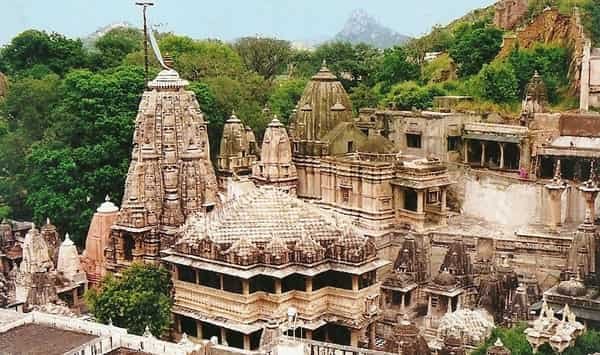
The temple complex contains carved stone structures and a revered four-faced form of Shiva. Traditions linking the site with Bappa Rawal and later Mewar rulers place it within a long story of royal patronage, religious observance and architectural restoration. Its setting near the historic temples of Nagda also makes the area worth exploring beyond a single darshan visit.
Eklingji differs from many major temples because public darshan is available in specific sessions rather than throughout the day. Travellers should arrange their journey around those openings and allow time for rituals, local transport and any additional stops on the route from Udaipur.
Eklingji Temple Timings, Entry Fees and Pujas
The following schedule is a practical starting point for planning. Opening hours and the moments when worshippers can enter the main prayer area are not always identical. The details that matter most are shown separately so that visitors do not mistake a ritual break for a complete closure.
Eklingji Temple Darshan Timings
| Activity / session | Published or indicative time |
| Early morning darshan | Approximately 4:30 AM – 7:00 AM |
| Late morning and midday | Approximately 10:30 AM – 1:30 PM |
| Evening darshan | Approximately 5:00 PM – 7:30 PM |
| General entry | Normally free |
Published 2026 local schedules give these three windows, but no current official temple-trust timetable was located. Verify ritual-day changes with temple staff.
Important Daily Pujas and Sevas
Special Shiva worship, aarti and offerings shape each short public window. Devotees should time arrival carefully because the temple closes between the sessions.
Ordinary temple access is generally free unless a posted policy states otherwise. Paid archana, abhishekam or special-entry services are separate offerings, and they do not necessarily shorten every queue. Prices change; because a dependable current fee list was not available for every ritual, no speculative ticket figures are given here. Pay only at counters or platforms explicitly authorised by the managing institution.
Dress Code and Visitor Rules
Follow the customary dress and photography rules, and leave cameras and phones where the staff instruct.
For most temple visits, a saree, salwar kameez, dhoti or full-length trousers are safer choices than shorts or revealing clothing. Some sanctums require more specific traditional dress. Ask locally about footwear storage, accessible routes and any limitations on photography; never assume that a rule at one temple applies to every other shrine.
Eklingji Temple History and Religious Significance
Bappa Rawal and the Divine Ruler of Mewar
Eklingji Temple at Kailashpuri is inseparable from the history of Mewar. According to the fifteenth-century Ekalinga Mahatmya and later royal traditions, the early ruler Bappa Rawal established a shrine here in the eighth century after receiving the guidance of the sage Harit Rashi. The precise details belong partly to dynastic legend, yet the story is essential to understanding why generations of Mewar rulers regarded Lord Eklingji as the kingdom’s true sovereign.
The Maharana traditionally governed as the deity’s diwan, or minister, rather than claiming ultimate kingship himself. This unusual political theology helped link the royal court, regional identity and worship of Shiva for centuries.
Destruction, Restoration and Fifteenth-Century Patrons
The surviving monument is not a single untouched eighth-century structure. The site experienced damage and successive rebuilding. Historical accounts refer to reconstruction under Hamir Singh in the fourteenth century, major works under Rana Kumbha in the fifteenth, and further restoration associated with Rana Raimal at the close of that century.
A 1460 inscription connected with Rana Kumbha speaks of his service to Eklingji. The Royal and archaeological record makes the fifteenth-century phase especially important for understanding the architecture visible today. Early chronicles and popular guides sometimes assign a precise 734 CE construction date; it is better treated as the traditional origin date, not the date of every stone in the present building.
Four-Faced Shiva and the Temple Courtyards
The central image is a four-faced form of Shiva carved in black stone. Each face represents aspects of the deity, and the sculptural arrangement allows worshippers to contemplate a divinity looking in multiple directions. A Nandi image faces the sanctum, while ornamental pillars, carved roofs, subsidiary shrines and ceremonial gateways give the compound its distinctive Mewar character.
The older settlement of Nagda lies nearby, with remnants of important temple architecture. The Eklingji complex itself includes multiple shrines and is traditionally associated with a much larger sacred group, not merely a single sanctuary.
A Living Royal and Popular Tradition
Mondays, Mahashivaratri and important Shaiva observances draw large numbers of devotees. Customs concerning clothing, mobile phones and photography are strict, and access follows several separate darshan windows rather than continuous opening. Eklingji remains significant because it joins historical patronage, temple architecture and an active belief that sovereignty ultimately belongs to Shiva.
How To Reach Eklingji Temple
Kailashpuri, near Udaipur, Rajasthan can be approached through regional air, railway and road connections. The nearest useful station is not always the station with the greatest number of long-distance trains, so travellers should compare the final road transfer before confirming tickets.
| Mode | Practical access point |
| By air | Maharana Pratap Airport, Udaipur, around 35–45 km |
| By train | Udaipur City Railway Station, around 25–30 km |
| By road | Udaipur–Nathdwara road, about 22 km from central Udaipur |
By Air
Maharana Pratap Airport near Udaipur is the most convenient airport. A taxi can combine the transfer with a visit to Kailashpuri if your arrival time suits a darshan window.
By Train
Udaipur City railway station is the practical rail gateway. From there, take a taxi northwards on the Nathdwara road.
By Road
Eklingji lies roughly 22 km north of Udaipur on the Nathdwara route. Plan your outward drive around one of the temple’s specific opening sessions to avoid a long wait.
Best Time To Visit Eklingji Temple
The most comfortable general travel season is October to March. Temperatures, rainfall and daylight conditions affect queueing outdoors, walking between attractions and using public transport. Devotees specifically seeking a festival experience may prefer a busier season, provided they allow time for crowds and altered schedules.
| Season | Visitor conditions |
| October–March | Pleasant to cool, suitable for longer walks |
| April–June | Very hot days; choose early worship |
| July–September | Rain and humidity; road disruption possible |
Major Festivals
Important annual occasions include Maha Shivaratri and Mondays of Shravan. Such celebrations change the atmosphere considerably: decorated deities, processions or extended worship may be a highlight, but queues and room prices can rise. Families wanting a relatively quiet darshan should prefer an ordinary weekday outside the main festival period.
Nearby Attractions
The places below offer useful context for the temple’s history and the surrounding region. Distances, access arrangements and opening hours vary, so allow time rather than rushing between stops.
- Sas-Bahu Temples at Nagda — Historic Vishnu temples famous for their stone carving, close enough to be combined with Eklingji in the same outing.
- Shrinathji Temple, Nathdwara — A major Krishna pilgrimage shrine north of Udaipur with its own short darshan sessions that require separate planning.
- Udaipur City Palace and Lake Pichola — The city’s best-known heritage landscape, suitable for later sightseeing after the temple visit.
Accommodation and Essential Travel Tips
Photography restrictions can be stringent. Schedule the visit within the specific opening windows rather than planning to arrive at midday.
Book a room in a convenient town rather than choosing accommodation only by the lowest displayed price. Ask about check-in rules, parking, accessibility and the last local bus. Carry identification, drinking water, essential medicines and a modest amount of cash for small purchases. Where official booking facilities exist, use the genuine temple or church channels rather than agents who promise guaranteed priority access.
Frequently Asked Questions About Eklingji Temple
Q. What are the timings of Eklingji Temple?
The main published schedule is: early morning darshan, Approximately 4:30 AM – 7:00 AM. Other sessions appear in the timings table above. Published 2026 local schedules give these three windows, but no current official temple-trust timetable was located. Verify ritual-day changes with temple staff.
Q. Is entry to Eklingji Temple free?
General worship access is normally free. Optional paid rituals or independently advertised events may have charges. Confirm any current fee with authorised staff; a general admission ticket should never be inferred from an unverified travel listing.
Q. What should visitors wear to Eklingji Temple?
Wear modest, respectful clothing suitable for the place of worship. Some inner temple areas have stricter traditional dress requirements. Follow onsite notices, particularly about footwear, mobile phones and photography.
Q. How can I reach Eklingji Temple by train?
Udaipur City Railway Station, around 25–30 km. Arrange local transport for the last part of the journey, and check the train’s actual station stop before booking.
Q. What is the best time of year to visit Eklingji Temple?
October to March is generally comfortable for travel. Festival days such as Maha Shivaratri and Mondays of Shravan can be memorable but considerably busier.
Q. What else can I visit near Eklingji Temple?
Common choices include Sas-Bahu Temples at Nagda, Nathdwara Shrinathji Temple. Allow enough time for queues and the final road transfer rather than assuming everything can be covered quickly.