 By Santosh Kumar
 In the modern world, energy storage plays a crucial role in technology and daily life. From smartphones and laptops to electric vehicles and renewable energy systems, batteries are essential for powering devices and storing electricity. Among the various types of batteries available today, lithium-ion batteries have become the most widely used. Their popularity has grown rapidly due to their high efficiency, lightweight nature, and long life.
Lithium-ion batteries were first developed for commercial use in the late 20th century and have since transformed the electronics and automobile industries. They are rechargeable batteries that use lithium ions moving between the positive and negative electrodes to store and release energy. Despite their widespread use and many benefits, lithium-ion batteries also have certain disadvantages related to safety, cost, and environmental impact. To understand their overall importance, it is necessary to examine both their advantages and disadvantages in detail.
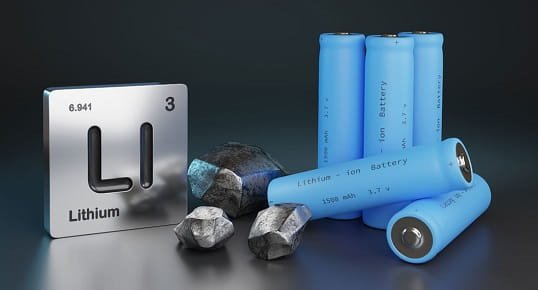
Advantages of Lithium-Ion Batteries
1. High Energy Density
One of the biggest advantages of lithium-ion batteries is their high energy density. They can store a large amount of energy in a small and lightweight package. This makes them ideal for portable devices such as smartphones, laptops, and wireless gadgets, where size and weight matter.
2. Lightweight
Lithium-ion batteries are much lighter than traditional batteries like lead-acid or nickel-cadmium batteries. This lightweight nature is especially important for electric vehicles, drones, and portable electronics, where reducing weight improves performance and efficiency.
3. Long Battery Life
Lithium-ion batteries have a long lifespan compared to many other rechargeable batteries. They can withstand hundreds to thousands of charge-discharge cycles before losing significant capacity. This makes them cost-effective over time despite their higher initial price.
4. Fast Charging
Lithium-ion batteries support fast charging. They can be charged much more quickly than older battery technologies. This feature is very useful in modern life, where users expect quick charging for phones, laptops, and electric vehicles.
5. Low Self-Discharge Rate
Lithium-ion batteries lose very little charge when not in use. Their self-discharge rate is much lower than that of nickel-based batteries. This means devices retain charge for longer periods when idle.
6. No Memory Effect
Unlike some older rechargeable batteries, lithium-ion batteries do not suffer from the memory effect. This means they do not lose capacity when charged before being fully discharged. Users can charge them at any time without damaging battery health.
7. High Efficiency
Lithium-ion batteries are highly efficient in converting stored energy into usable power. Very little energy is lost during charging and discharging. This efficiency makes them suitable for renewable energy storage systems like solar power units.
8. Wide Range of Applications
Lithium-ion batteries are used in a wide range of applications, including mobile phones, laptops, power banks, electric vehicles, medical devices, and energy storage systems. Their versatility has made them the backbone of modern energy storage technology.
9. Environmentally Better Than Some Alternatives
Compared to lead-acid batteries, lithium-ion batteries are less harmful to the environment during use. They do not contain toxic heavy metals like lead or cadmium, which reduces pollution risks.
Disadvantages of Lithium-Ion Batteries
1. High Initial Cost
One of the main disadvantages of lithium-ion batteries is their high cost. They are more expensive to manufacture than traditional batteries. This increases the cost of electronic devices and electric vehicles.
2. Safety Risks
Lithium-ion batteries can be dangerous if damaged, overcharged, or exposed to high temperatures. They may overheat, catch fire, or even explode in extreme cases. Battery fires are difficult to control and can cause serious damage.
3. Sensitive to Temperature
Lithium-ion batteries are sensitive to high and low temperatures. Extreme heat can cause overheating and reduce battery life, while very cold conditions can reduce performance and charging efficiency.
4. Limited Lifespan
Although lithium-ion batteries last longer than many other batteries, they still degrade over time. Even if not used frequently, their capacity slowly decreases due to chemical aging, limiting their usable life.
5. Environmental Impact of Mining
Lithium-ion batteries require lithium, cobalt, and other rare minerals. Mining these materials causes environmental damage, water pollution, and ecological imbalance. In some regions, mining also raises ethical and human rights concerns.
6. Recycling Challenges
Recycling lithium-ion batteries is complex and expensive. Many countries lack proper recycling infrastructure. Improper disposal can cause environmental pollution and waste valuable materials.
7. Risk of Overcharging
Lithium-ion batteries require advanced battery management systems to prevent overcharging and deep discharging. Without proper control, the battery can be damaged or become unsafe.
8. Performance Degrades with Age
Over time, lithium-ion batteries lose their ability to hold charge. Users notice reduced battery backup after a few years, leading to frequent charging or battery replacement.
9. Dependence on Rare Resources
Lithium-ion battery production depends on limited natural resources. As demand increases, resource shortages and price fluctuations may occur, affecting availability and cost.
10. Transportation and Storage Risks
Transporting large lithium-ion batteries is risky due to fire hazards. Special packaging and safety rules are required, increasing logistics costs.
Role of Lithium-Ion Batteries in the Future
Lithium-ion batteries play a key role in the shift towards electric vehicles and renewable energy. Continuous research is being done to improve safety, reduce costs, increase energy density, and develop better recycling methods. New technologies like solid-state batteries aim to overcome some of the current limitations.
Conclusion
Lithium-ion batteries have revolutionized modern technology by providing efficient, lightweight, and reliable energy storage. At the same time, issues such as high cost, safety risks, and environmental concerns cannot be ignored. With improved technology, responsible use, and better recycling systems, the advantages of lithium-ion batteries can continue to outweigh their disadvantages.