 By Editor
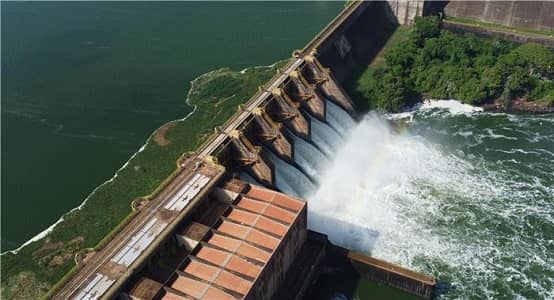
 Energy is essential for economic development, industrial growth, and daily life. As the world faces problems like climate change, pollution, and depletion of fossil fuels, renewable sources of energy have gained great importance. One of the oldest and most widely used renewable energy sources is hydroelectric energy. Hydroelectric energy is generated by using the force of flowing or falling water, usually by building dams across rivers. The stored water is released to rotate turbines, which generate electricity.
Hydroelectric power has been used for more than a century and continues to play a major role in power generation in many countries. It is considered clean, renewable, and reliable. Large hydroelectric projects supply electricity to millions of homes and industries. However, along with its benefits, hydroelectric energy also creates serious environmental, social, and economic challenges. Therefore, it is important to study both the advantages and disadvantages of hydroelectric energy to understand its overall impact.
Advantages of Hydroelectric Energy
1. Renewable Source of Energy
One of the biggest advantages of hydroelectric energy is that it is renewable. It depends on the water cycle, which is continuously replenished by rainfall and snowfall. As long as rivers flow, hydroelectric power can be generated without exhausting natural resources.
2. Clean and Environment Friendly
Hydroelectric energy does not produce smoke, harmful gases, or greenhouse emissions during electricity generation. Unlike coal or oil-based power plants, it does not release carbon dioxide into the atmosphere. This helps reduce air pollution and slows down climate change.
3. Reliable and Stable Power Supply
Hydroelectric power plants provide a stable and reliable source of electricity. Unlike solar and wind energy, they are not affected by daily weather changes like cloud cover or wind speed. Stored water in reservoirs allows power generation even during dry periods.
4. Low Operating Cost
Once a hydroelectric power plant is constructed, its operating and maintenance costs are relatively low. Water is free, and no fuel is required. Over time, this makes hydroelectric power cheaper compared to many other energy sources.
5. High Efficiency
Hydroelectric power plants are highly efficient. A large percentage of the energy from moving water is converted into electricity. This efficiency is higher than that of most thermal power plants.
6. Supports Flood Control
Dams built for hydroelectric power help control floods by storing excess water during heavy rainfall. Controlled release of water reduces flood damage to downstream areas, protecting lives, crops, and property.
7. Water Storage and Irrigation
Reservoirs created by dams store water that can be used for irrigation, drinking water supply, and industrial use. This supports agriculture and helps manage water scarcity during dry seasons.
8. Long Lifespan
Hydroelectric power plants have a long operational life. Many plants function efficiently for 50 to 100 years with proper maintenance, making them a long-term investment.
9. Employment and Economic Development
The construction and operation of hydroelectric projects create employment opportunities. They also promote regional development by improving infrastructure such as roads, bridges, and power supply.
Disadvantages of Hydroelectric Energy
1. High Initial Cost
One of the major disadvantages of hydroelectric energy is the high initial cost of construction. Building dams, reservoirs, tunnels, and power stations requires huge investment, which may not be affordable for all countries.
2. Displacement of People
Large hydroelectric projects often lead to displacement of local communities. Villages, farmlands, and forests are submerged under reservoirs, forcing people to relocate. Rehabilitation and compensation are often inadequate, causing social problems.
3. Environmental Damage
Dams disturb natural river ecosystems. They affect the flow of rivers, water temperature, and sediment movement. This harms aquatic life and reduces biodiversity. Many fish species suffer because dams block their migration routes.
4. Loss of Forests and Wildlife
Construction of reservoirs leads to large-scale deforestation. Forests and wildlife habitats are destroyed, leading to loss of biodiversity and ecological imbalance.
5. Dependence on Rainfall
Hydroelectric power generation depends heavily on rainfall. During droughts or low rainfall periods, water levels in reservoirs fall, reducing electricity generation. Climate change has made rainfall patterns more unpredictable.
6. Risk of Dam Failure
Although rare, dam failures can be disastrous. Earthquakes, heavy rainfall, poor design, or lack of maintenance can cause dam collapse, leading to massive floods and loss of life and property downstream.
7. Sedimentation Problem
Over time, sediments carried by rivers settle in reservoirs. This reduces storage capacity and efficiency of dams. Removing sediments is expensive and technically difficult, shortening the effective life of the project.
8. Methane Emission from Reservoirs
In tropical regions, submerged vegetation in reservoirs decomposes and releases methane, a powerful greenhouse gas. This reduces the environmental benefit of hydroelectric power to some extent.
9. Limited Suitable Locations
Hydroelectric power plants can be built only in areas with suitable geographical conditions, such as strong river flow and height difference. This limits their widespread use, especially in flat or dry regions.
10. Social and Political Conflicts
Hydroelectric projects often cause conflicts between states or countries over water sharing. Local protests against displacement and environmental damage can delay or stop projects.
Hydroelectric Energy in Modern Times
With increasing concern about climate change, hydroelectric energy is often promoted as part of clean energy policies. However, modern planning emphasizes smaller and more sustainable projects instead of massive dams. Run-of-the-river projects and improved environmental management aim to reduce negative impacts while maintaining benefits.
Conclusion
Hydroelectric energy is a clean, renewable, and efficient source of power that supports electricity generation, irrigation, and flood control. At the same time, problems like displacement, environmental damage, and high construction cost cannot be ignored. A balanced and sustainable approach is necessary to ensure that the advantages of hydroelectric energy outweigh its disadvantages.