 By Santosh Kumar
 Plastic is one of the most widely used materials in the modern world. From household items and packaging to medical equipment and industrial tools, plastic has become an essential part of daily life. It is made from synthetic or semi-synthetic materials, mostly derived from petroleum. Due to its low cost, light weight, and flexibility, plastic has replaced many traditional materials like wood, glass, and metal. However, along with its many benefits, plastic has also created serious environmental and health problems. To understand its real impact, it is important to examine both the advantages and disadvantages of plastic.
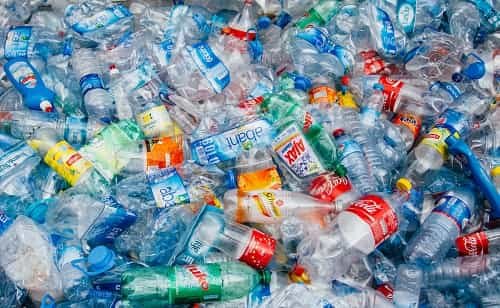
Advantages of Plastic
1. Lightweight and Easy to Handle
One of the biggest advantages of plastic is that it is very lightweight. Plastic products are easy to carry, transport, and store. This quality reduces transportation costs and makes plastic ideal for packaging, travel goods, and everyday household use.
2. Low Cost and Affordable
Plastic is cheap to produce compared to materials like metal, glass, or wood. Because of this, plastic products are affordable and accessible to people of all income groups. This affordability has improved living standards by making many useful items available at low prices.
3. High Durability
Plastic is strong and long-lasting. It does not rust, corrode, or break easily. Plastic products can withstand moisture, chemicals, and rough handling. Due to this durability, plastic is widely used in construction, plumbing, and storage.
4. Versatility and Flexibility
Plastic can be molded into any shape or size. It can be hard or soft, transparent or opaque, thick or thin. This flexibility allows plastic to be used in a wide range of products such as bottles, furniture, toys, electronics, and automobile parts.
5. Useful in Medical Field
Plastic plays a crucial role in healthcare. Items like syringes, gloves, IV tubes, blood bags, and medical instruments are made of plastic. Disposable plastic products help maintain hygiene and prevent the spread of infections, saving countless lives.
6. Water and Chemical Resistance
Plastic does not absorb water and is resistant to many chemicals. This makes it ideal for storing liquids, chemicals, and food items. Plastic containers help keep food fresh and protect it from contamination.
7. Electrical Insulation
Plastic is a poor conductor of electricity, which makes it a good insulator. It is used in electrical wires, switches, plugs, and appliances to prevent electric shocks and short circuits.
8. Reduced Use of Natural Resources
The use of plastic reduces dependence on natural materials like wood and metal. This helps save forests and conserves minerals to some extent. Plastic furniture, for example, reduces the need for wooden furniture.
9. Supports Modern Lifestyle
Plastic has made modern life more convenient. From mobile phones and laptops to kitchen tools and packaging, plastic helps improve comfort, efficiency, and productivity in daily activities.
Disadvantages of Plastic
1. Non-Biodegradable Nature
The biggest disadvantage of plastic is that it does not decompose easily. Plastic can remain in the environment for hundreds of years. This leads to long-term pollution of land and water.
2. Environmental Pollution
Plastic waste is one of the main causes of environmental pollution. Plastic bags, bottles, and packaging materials clog drains, pollute rivers, and spoil natural beauty. Marine animals often mistake plastic for food and die after consuming it.
3. Harmful to Wildlife
Animals and birds are severely affected by plastic waste. They get trapped in plastic items or ingest them, leading to injury or death. Plastic pollution has become a major threat to biodiversity.
4. Health Hazards
Some plastics release toxic chemicals when heated or used for long periods. These chemicals can enter food and water, causing health problems such as hormonal imbalance, respiratory issues, and increased risk of diseases.
5. Difficult to Recycle
Although plastic is recyclable, the recycling process is complex and expensive. Many types of plastic cannot be recycled easily. As a result, a large amount of plastic waste ends up in landfills or the natural environment.
6. Air Pollution from Burning Plastic
When plastic is burned, it releases harmful gases such as dioxins and carbon monoxide. These gases cause air pollution and serious health problems, including breathing disorders and cancer.
7. Soil Degradation
Plastic waste in soil reduces soil fertility by blocking air and water movement. This affects plant growth and agricultural productivity. Microplastics in soil further damage the ecosystem.
8. Overdependence on Plastic
Excessive use of plastic has created a dependency that is difficult to break. People often choose plastic out of convenience, ignoring eco-friendly alternatives. This habit increases waste generation.
9. Contribution to Climate Change
Plastic is made from fossil fuels. Its production releases greenhouse gases that contribute to global warming and climate change. From manufacturing to disposal, plastic has a large carbon footprint.
10. Threat to Oceans
A huge amount of plastic waste ends up in oceans. It breaks down into microplastics, which enter the food chain through fish and other marine life. This poses risks not only to sea creatures but also to human health.
Responsible Use of Plastic
Plastic itself is not entirely harmful; the real problem lies in misuse and overuse. Reducing single-use plastic, reusing plastic items, recycling properly, and choosing eco-friendly alternatives can help minimize damage. Government policies, public awareness, and responsible consumer behavior are essential to control plastic pollution.
Conclusion
Plastic has made life easier, cheaper, and more efficient, but its environmental and health impacts are serious. Using plastic responsibly and reducing unnecessary use is essential for a sustainable future.