 By Editor
 Energy demand across the world is increasing rapidly due to population growth, industrial development, and modern lifestyles. At the same time, traditional energy sources such as coal, oil, and natural gas are becoming scarce and are responsible for serious environmental problems like air pollution and climate change. To overcome these challenges, countries are exploring renewable and sustainable energy sources. One such promising source is wave energy.
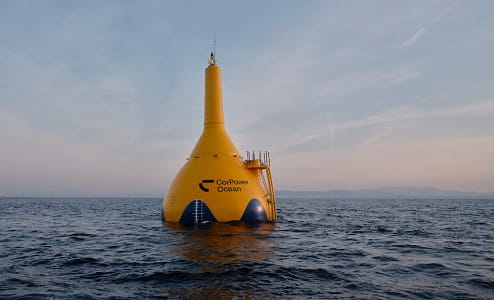
Wave energy is a form of ocean energy that uses the movement of sea waves to generate electricity. Waves are produced by wind blowing over the surface of the ocean, and this energy can be captured using special machines installed near the shore or in deep water. Since oceans cover a large part of the Earth, wave energy has great potential. However, despite its promise, wave energy also faces technical, economic, and environmental challenges. To understand its usefulness, it is important to study both the advantages and disadvantages of wave energy.
Advantages of Wave Energy
1. Renewable Source of Energy
One of the biggest advantages of wave energy is that it is renewable. Ocean waves are continuously generated by wind and will never run out. As long as wind blows and oceans exist, wave energy can be harnessed.
2. Environment Friendly
Wave energy does not produce harmful gases such as carbon dioxide or sulfur dioxide during electricity generation. It does not involve burning fuels, making it a clean and eco-friendly energy source that helps reduce air pollution and global warming.
3. Abundant and Widely Available
Oceans cover more than 70% of the Earth’s surface. Coastal regions around the world have access to wave energy. This makes it a widely available energy source, especially for countries with long coastlines.
4. High Energy Density
Compared to wind and solar energy, wave energy has a higher energy density. This means waves carry more energy in a smaller area, allowing more electricity generation from fewer devices.
5. Predictable Energy Source
Ocean waves are more predictable than wind and solar energy. Wave patterns can be forecast in advance, which helps in better planning and management of power generation.
6. Reduces Dependence on Fossil Fuels
Wave energy helps reduce reliance on coal, oil, and gas. This improves energy security and reduces fuel imports, especially for coastal nations.
7. No Land Requirement
Wave energy systems are installed in oceans, so they do not occupy valuable land. This avoids problems like land acquisition, deforestation, and displacement of people.
8. Long-Term Energy Potential
Oceans are expected to remain stable energy sources for millions of years. Wave energy offers a long-term solution to future energy needs if technology improves.
9. Supports Coastal Development
Wave energy projects can create jobs in coastal areas related to construction, maintenance, research, and marine engineering. This supports local economies and development.
10. Complements Other Renewable Sources
Wave energy can work alongside wind and solar energy. When solar output is low or wind slows down, wave energy can help maintain electricity supply, improving energy balance.
Disadvantages of Wave Energy
1. High Initial Cost
One of the major disadvantages of wave energy is its high installation cost. Building and installing wave energy devices in the ocean requires advanced technology, strong materials, and large investment.
2. Technology Still Developing
Wave energy technology is still in the early stages of development. Many designs are experimental and not yet proven on a large commercial scale. This increases financial and technical risk.
3. Maintenance Difficulties
Maintaining equipment in the ocean is difficult and expensive. Saltwater causes corrosion, and strong waves and storms can damage machines, increasing maintenance costs.
4. Environmental Impact on Marine Life
Wave energy devices may disturb marine ecosystems. Noise, underwater structures, and moving parts can affect fish, marine animals, and seabed habitats if not carefully managed.
5. Limited Suitable Locations
Wave energy works best in areas with strong and consistent waves. Not all coastal regions have suitable wave conditions, limiting its widespread use.
6. Power Transmission Challenges
Electricity generated offshore must be transmitted to land through underwater cables. Installing and maintaining these cables is costly and technically challenging.
7. Weather and Storm Risks
Extreme weather conditions such as storms, cyclones, and tsunamis can damage wave energy systems. Designing equipment to withstand such forces increases cost and complexity.
8. Visual and Coastal Concerns
Some wave energy installations near the shore may affect coastal views. This can lead to opposition from local communities and tourism industries.
9. Energy Loss During Conversion
Energy is lost during the conversion of wave motion into electricity. Current technologies are not highly efficient, reducing overall output.
10. Lack of Infrastructure and Awareness
Many countries lack proper infrastructure, skilled workforce, and awareness to develop wave energy projects. This slows down adoption and large-scale use.
Wave Energy and the Future
Wave energy has great potential to become an important part of the global renewable energy mix. Scientists and engineers are working to develop stronger, cheaper, and more efficient wave energy technologies. With better designs, improved materials, and government support, many current limitations can be reduced. Small-scale and hybrid renewable projects may help wave energy grow steadily.
Conclusion
Wave energy is a clean, renewable, and promising source of power with huge potential due to the vastness of oceans. It offers environmental benefits and long-term energy security. However, high costs, technical challenges, and environmental concerns remain major obstacles. With continued research, innovation, and responsible planning, wave energy can play a valuable role in meeting future energy needs in a sustainable way.