 By Editor
 Transport is an essential part of human civilization. It helps in the movement of people, goods, raw materials, and resources from one place to another. Without transport, trade, industry, and economic development would not be possible. Among the different modes of transport such as road, rail, and air transport, water transport is one of the oldest and most important. Water transport includes the movement of goods and passengers through rivers, canals, seas, and oceans using boats, ships, and ferries.
Since ancient times, water transport has played a major role in trade and cultural exchange. Even today, it is the backbone of international trade, as most goods exchanged between countries are carried by ships. Water transport is known for its low cost and ability to carry heavy and bulky goods over long distances. However, it also has limitations related to speed, accessibility, and weather conditions. To understand its importance properly, it is necessary to study both the advantages and disadvantages of water transport.
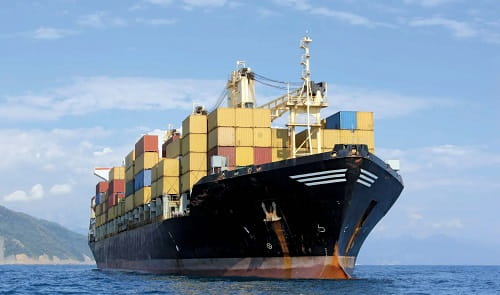
Advantages of Water Transport
1. Cheapest Mode of Transport
One of the biggest advantages of water transport is its low cost. Transporting goods by ships is much cheaper than road, rail, or air transport, especially for long distances. This makes it highly economical for international trade.
2. Suitable for Heavy and Bulky Goods
Water transport is ideal for carrying heavy and bulky goods such as coal, iron ore, oil, cement, grains, machinery, and timber. Ships can carry huge quantities of goods at one time, which is not possible with most other modes of transport.
3. Energy Efficient
Water transport is highly energy efficient. Ships consume less fuel per ton of cargo compared to trucks or airplanes. This helps conserve energy resources and reduces transportation costs.
4. Essential for International Trade
Most international trade depends on water transport. Oceans and seas connect continents and countries, allowing large-scale import and export of goods. Without water transport, global trade would be extremely limited and expensive.
5. Reduces Pressure on Land Transport
Water transport reduces congestion on roads and railways by carrying large volumes of goods. This helps reduce traffic, road accidents, and wear and tear of land transport infrastructure.
6. Environment Friendly Compared to Other Modes
Although ships do cause pollution, water transport is generally more environment friendly than road and air transport when measured per ton of cargo. Lower fuel consumption means fewer emissions per unit of goods transported.
7. Natural Routes Available
Rivers, seas, and oceans provide natural transport routes. Unlike roads and railways, water routes do not require large-scale construction, reducing infrastructure costs.
8. Useful for Coastal and Riverine Areas
Water transport is very useful in coastal regions, island nations, and areas connected by rivers and canals. It provides an effective means of transport where other modes are difficult or expensive to develop.
9. Safe for Certain Types of Cargo
Water transport is suitable for dangerous goods such as petroleum, chemicals, and gases when handled properly. Specialized ships are designed to safely carry such materials over long distances.
10. Supports Economic Development
Ports, harbors, and shipping industries create employment and support economic growth. Water transport helps develop port cities and promotes trade, tourism, and industrial activities.
Disadvantages of Water Transport
1. Very Slow Mode of Transport
The biggest disadvantage of water transport is its slow speed. Ships take days or even weeks to reach destinations. This makes water transport unsuitable for urgent travel and time-sensitive goods.
2. Limited Accessibility
Water transport is limited to places connected by rivers, canals, seas, or oceans. Areas far from water bodies cannot directly use this mode of transport and must depend on road or rail transport.
3. Weather Dependence
Water transport is highly affected by weather conditions such as storms, cyclones, fog, and rough seas. Bad weather can delay shipments, damage goods, and increase the risk of accidents.
4. Not Suitable for Perishable Goods
Due to slow speed, water transport is not suitable for highly perishable goods like fresh fruits, vegetables, dairy products, and medicines that require quick delivery.
5. Risk of Accidents
Although generally safe, water transport can face serious accidents such as ship collisions, sinking, oil spills, and fires. Such accidents can cause heavy loss of life, goods, and environmental damage.
6. High Port and Maintenance Costs
While transport cost is low, building and maintaining ports, harbors, docks, and ships require large investment. Port charges and handling costs can also be high.
7. Seasonal Limitations
Inland water transport depends on water levels in rivers and canals. During dry seasons or droughts, water levels may fall, making navigation difficult or impossible.
8. Less Flexible
Water transport lacks flexibility. Ships follow fixed routes and schedules and cannot easily change paths like road transport. Door-to-door service is not possible.
9. Transshipment Delays
Goods transported by water often require loading and unloading at ports. They must then be carried by road or rail to reach final destinations. This increases handling time and cost.
10. Environmental Pollution Risks
Water transport can cause environmental pollution through oil spills, waste discharge, and ship emissions. Oil spills, in particular, cause severe damage to marine life and coastal ecosystems.
Role of Water Transport in Modern Times
Despite its limitations, water transport remains extremely important in the modern world. Advances in ship design, containerization, and port management have improved efficiency and safety. Large container ships and advanced navigation systems have made international trade faster and more reliable. Many countries are also promoting inland water transport as a cost-effective and eco-friendly alternative.
Conclusion
Water transport is an economical, energy-efficient, and essential mode of transport, especially for international trade and the movement of heavy goods. However, its slow speed, limited accessibility, and dependence on weather conditions are major disadvantages. With proper planning, modernization, and environmental safeguards, water transport can continue to play a vital role in global and national transportation systems.