 By Editor
 The Green Revolution refers to a period of major change in agriculture that began in the mid-20th century. It involved the use of high-yielding varieties of seeds, chemical fertilizers, pesticides, improved irrigation facilities, and modern farming techniques. The main aim of the Green Revolution was to increase food production and reduce hunger, especially in developing countries. In India and many other nations, it played a crucial role in achieving food security. However, while the Green Revolution brought remarkable benefits, it also created several economic, social, and environmental problems. Therefore, it is important to know both its advantages and disadvantages in detail.
Advantages of the Green Revolution
1. Increase in Food Production
The biggest advantage of the Green Revolution was the sharp rise in agricultural production. The use of high-yielding seeds of crops like wheat and rice led to a dramatic increase in output. Countries that once faced food shortages began producing enough food to meet the needs of their growing populations. In India, food grain production increased significantly, reducing dependence on imports.
2. Achievement of Food Security
Before the Green Revolution, many countries suffered from frequent famines and food crises. The increased production of food grains helped ensure food availability throughout the year. This made nations more self-reliant and strengthened their ability to handle droughts and population growth.
3. Growth in Farmers’ Income
Farmers who adopted modern farming methods benefited from higher crop yields. Increased production meant higher marketable surplus, which helped farmers earn better incomes. In regions where the Green Revolution was successful, rural prosperity improved noticeably.
4. Development of Agriculture Infrastructure
The Green Revolution led to the development of better irrigation systems, rural roads, storage facilities, and market networks. Investments were made in dams, canals, tube wells, and electricity supply. These improvements strengthened the agricultural sector and supported overall rural development.
5. Employment Generation
Higher agricultural productivity increased demand for labor in activities such as sowing, harvesting, irrigation, transportation, and processing. This created more employment opportunities in rural areas and reduced seasonal unemployment to some extent.
6. Promotion of Scientific Farming
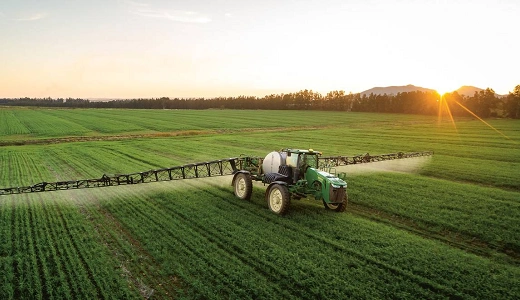
Traditional farming practices were replaced by scientific methods. Farmers started using improved seeds, fertilizers, pesticides, and modern machinery. Agricultural research institutions played a key role in spreading knowledge and training farmers, making agriculture more efficient and systematic.
7. Boost to Agro-Based Industries
The increase in agricultural production encouraged the growth of agro-based industries such as food processing, sugar mills, textile mills, and fertilizer plants. These industries provided employment and contributed to economic growth.
8. Reduction in Poverty and Hunger
In regions where the Green Revolution succeeded, poverty levels declined. Increased food availability helped reduce hunger and malnutrition. Government food distribution systems became more effective due to surplus production.
Disadvantages of the Green Revolution
1. Unequal Regional Development
The benefits of the Green Revolution were not evenly distributed. It was mainly successful in regions with good irrigation facilities, such as Punjab, Haryana, and western Uttar Pradesh. Rain-fed and backward regions did not benefit much, increasing regional inequality.
2. Rich Farmers Benefited More
Large and wealthy farmers gained more from the Green Revolution because they could afford modern inputs like high-quality seeds, fertilizers, machinery, and irrigation systems. Small and marginal farmers often lacked resources and fell behind, widening economic inequality in rural areas.
3. Environmental Degradation
Excessive use of chemical fertilizers and pesticides damaged soil fertility and polluted water bodies. Over time, land productivity declined due to soil erosion, loss of nutrients, and salinity. The excessive use of groundwater for irrigation led to a sharp fall in water tables.
4. Health Hazards
The heavy use of pesticides and chemicals had negative effects on human health. Farmers and consumers were exposed to harmful substances, leading to health problems such as skin diseases, respiratory issues, and food contamination.
5. Loss of Biodiversity
The Green Revolution focused mainly on a few crops like wheat and rice. Traditional crop varieties and mixed farming practices were neglected. This reduced agricultural biodiversity and made crops more vulnerable to pests and diseases.
6. Overdependence on Chemical Inputs
Modern farming became highly dependent on chemical fertilizers, pesticides, and hybrid seeds. Over time, farmers found it difficult to maintain yields without increasing the quantity of inputs. This raised the cost of cultivation and reduced profit margins.
7. Mechanization and Unemployment
The use of tractors, harvesters, and other machines reduced the need for manual labor in some areas. This led to unemployment among agricultural laborers, especially in regions where mechanization was rapid.
8. Increased Debt Among Farmers
The high cost of seeds, fertilizers, irrigation, and machinery forced many farmers to take loans. Crop failures due to pests, weather conditions, or falling prices often trapped farmers in debt. In some cases, this led to severe financial distress.
9. Neglect of Other Crops
The emphasis on food grains reduced attention to crops like pulses, oilseeds, and millets. As a result, the production of these crops declined, causing nutritional imbalance and increasing dependence on imports for certain food items.
10. Long-Term Sustainability Issues
While the Green Revolution increased production in the short term, its long-term sustainability has been questioned. Degraded soil, water scarcity, and environmental damage threaten future agricultural productivity.
Conclusion
The Green Revolution played a vital role in increasing food production and ensuring food security, especially in developing countries. At the same time, it created economic inequality and serious environmental challenges. Its true value lies in learning from both its success and its limitations.