 By Editor
 Transport is an essential part of modern life. It connects people, markets, industries, and regions, making economic and social development possible. Among the different modes of transport such as rail, air, and water transport, road transport is the most commonly used and widely available. Road transport includes vehicles like cars, buses, trucks, motorcycles, and bicycles that move on roads and highways.
Road transport plays a crucial role in both urban and rural areas. It provides the first and last link in the transport chain by connecting homes, farms, factories, markets, railway stations, ports, and airports. Due to its flexibility and convenience, road transport has become the backbone of domestic trade and daily travel. However, despite its many benefits, road transport also faces several problems related to cost, safety, pollution, and congestion. To understand its importance clearly, it is necessary to study both the advantages and disadvantages of road transport.
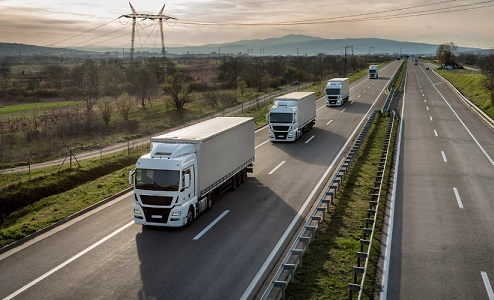
Advantages of Road Transport
1. Door-to-Door Service
One of the biggest advantages of road transport is door-to-door service. Goods and passengers can be transported directly from their place of origin to their destination without the need for loading and unloading at intermediate points. This saves time, effort, and cost.
2. High Flexibility
Road transport is highly flexible compared to other modes of transport. Vehicles can operate on different routes and schedules according to need. Routes can be changed easily to avoid traffic, accidents, or roadblocks.
3. Suitable for Short Distances
Road transport is the most convenient and economical mode for short-distance travel. For local and regional movement of goods and people, road transport is faster and more practical than rail or air transport.
4. Easy Accessibility
Roads reach almost every part of the country, including villages, towns, and remote areas where railways or waterways are not available. This makes road transport the most accessible form of transportation.
5. Lower Initial Cost
The initial cost of developing road transport infrastructure is lower than that of railways or airports. Building roads requires less investment and can be completed in less time compared to rail lines or ports.
6. Useful for Perishable Goods
Road transport is ideal for carrying perishable goods such as fruits, vegetables, milk, and fish. Faster delivery reduces spoilage and maintains freshness, which is essential for agricultural trade.
7. Employment Generation
Road transport creates employment opportunities for drivers, mechanics, loaders, transport operators, and road construction workers. It supports the livelihoods of millions of people.
8. Time-Saving for Certain Trips
For medium and short distances, road transport often saves time by avoiding transfers between different transport modes. It provides direct travel without waiting for fixed schedules.
9. Important for Emergency Services
Road transport plays a vital role in emergencies. Ambulances, fire engines, police vehicles, and disaster relief services depend mainly on road transport to reach affected areas quickly.
Disadvantages of Road Transport
1. High Operating Cost
Although the initial investment is low, the operating cost of road transport is high. Fuel, maintenance, toll charges, repairs, and vehicle replacement increase expenses, especially for long-distance transport.
2. Not Economical for Long Distances
Road transport is less economical for long-distance and bulk transport. Carrying heavy goods over long distances by road costs more compared to rail or water transport.
3. Traffic Congestion
Traffic congestion is a major problem, especially in cities. Overcrowded roads lead to delays, fuel wastage, stress, and reduced productivity. Congestion also increases pollution levels.
4. Higher Risk of Accidents
Road transport has a higher accident rate compared to other modes of transport. Speeding, poor road conditions, human error, and lack of discipline contribute to road accidents, causing loss of life and property.
5. Environmental Pollution
Road vehicles emit harmful gases such as carbon dioxide, carbon monoxide, and nitrogen oxides. These emissions cause air pollution, contribute to climate change, and affect human health. Noise pollution is also a serious issue.
6. Weather Dependence
Road transport is affected by weather conditions such as heavy rain, fog, snow, and floods. Poor weather reduces visibility and road safety, leading to delays and accidents.
7. Limited Carrying Capacity
Compared to trains and ships, road vehicles have limited carrying capacity. Transporting large volumes of goods requires many vehicles, increasing cost and congestion.
8. Road Maintenance Problems
Roads require regular maintenance. Poorly maintained roads lead to vehicle damage, accidents, and slower movement. Maintenance costs are high and continuous.
9. Land Requirement
Construction of roads and highways requires large areas of land. Land acquisition can lead to displacement of people, deforestation, and environmental damage, especially in urban and forest regions.
10. Driver Fatigue and Health Issues
Long-distance driving causes fatigue, stress, and health problems for drivers. Fatigue increases the risk of accidents and reduces overall efficiency and safety.
Role of Road Transport in Economic Development
Road transport plays a key role in economic development by connecting producers to markets and consumers to goods. It supports agriculture, industry, trade, tourism, and daily commuting. Good road networks improve regional development and reduce inequalities by connecting backward areas with developed regions.
Road Transport in Modern Times
With the growth of cities and industries, the demand for road transport is increasing rapidly. Governments are investing in highways, expressways, flyovers, and smart traffic systems to improve safety and efficiency. At the same time, there is a growing focus on electric vehicles and public transport to reduce pollution and congestion.
Conclusion
Road transport is a flexible, accessible, and convenient mode of transport that plays a vital role in daily life and economic development. However, problems such as congestion, pollution, accidents, and high operating costs cannot be ignored. With proper planning, better infrastructure, and responsible use, the advantages of road transport can be enhanced while reducing its disadvantages.