 By Editor
 Transport plays a vital role in the economic and social development of a country. It helps in the movement of people, goods, and raw materials from one place to another. Among the various modes of transport such as road, air, and water transport, rail transport holds a special place. Rail transport refers to the movement of passengers and goods using trains that run on fixed railway tracks. Since its introduction during the industrial revolution, rail transport has been a backbone of trade, industry, and public travel.
Railways connect cities, towns, villages, industries, ports, and markets. They are widely used for long-distance travel and for carrying heavy and bulky goods. In many countries, rail transport is considered a lifeline of the economy. However, despite its importance and usefulness, rail transport also has certain limitations. To understand its true value, it is necessary to study both the advantages and disadvantages of rail transport.
Advantages of Rail Transport
1. Economical for Long-Distance Transport
One of the biggest advantages of rail transport is its low cost for long-distance travel and transportation of goods. Carrying passengers or bulk goods over long distances by train is cheaper compared to road or air transport. This makes rail transport affordable for common people and businesses.
2. Suitable for Heavy and Bulky Goods
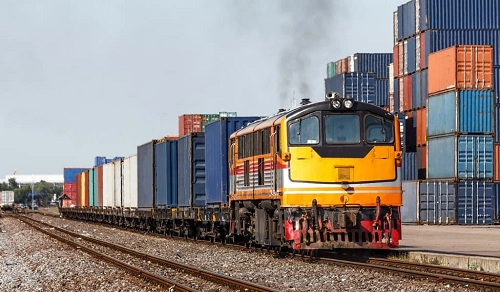
Rail transport is ideal for carrying heavy and bulky goods such as coal, iron ore, cement, grains, machinery, and petroleum products. Trains can carry large loads at one time, which is not possible with most other modes of transport.
3. Energy Efficient
Rail transport is more energy-efficient compared to road and air transport. Trains consume less fuel per passenger or per ton of goods transported. This helps conserve energy resources and reduces transportation costs.
4. Reliable and Safe
Rail transport is considered one of the safest modes of transport. Trains run on fixed tracks and follow strict schedules and safety systems, which reduces the chances of accidents. Weather conditions affect railways less than road or air transport.
5. Environment Friendly
Rail transport causes less air pollution compared to road and air transport. Electric trains, in particular, reduce the use of fossil fuels and help lower carbon emissions. This makes railways a more eco-friendly option.
6. Comfortable for Long Journeys
For long-distance travel, rail transport provides more comfort. Passengers can move around, sleep, eat, and use washroom facilities during the journey. This makes train travel more convenient, especially for overnight trips.
7. Reduces Road Congestion
Rail transport helps reduce pressure on roads by carrying large numbers of passengers and goods. This reduces traffic congestion, road accidents, and wear and tear of highways.
8. Supports Industrial and Economic Growth
Railways play a key role in industrial development. Industries depend on rail transport for the supply of raw materials and distribution of finished goods. Efficient rail networks promote trade and economic growth.
9. Large Passenger Carrying Capacity
A single train can carry hundreds or even thousands of passengers at one time. This makes rail transport suitable for mass transportation, especially in densely populated regions.
Disadvantages of Rail Transport
1. High Initial Cost
One of the major disadvantages of rail transport is the high initial cost of construction. Building railway tracks, bridges, tunnels, stations, and signaling systems requires huge investment. Maintenance costs are also high.
2. Lack of Flexibility
Rail transport lacks flexibility because trains run on fixed routes and schedules. Unlike road transport, trains cannot change their path according to demand or convenience. Passengers and goods must travel only along railway lines.
3. Not Suitable for Short Distances
For short-distance travel, rail transport is often time-consuming and inconvenient. Reaching railway stations, waiting for trains, and transferring goods take more time compared to road transport.
4. Limited Reach
Railways cannot reach every area, especially remote villages, hilly regions, and deserts. Areas without railway lines depend on road transport for connectivity.
5. Risk of Accidents
Although rail transport is generally safe, accidents can still occur due to human error, technical failure, or natural disasters. Train accidents, though rare, can result in heavy loss of life and property.
6. Fixed Schedule Problems
Trains operate on fixed timetables. Delays due to technical issues, weather conditions, or congestion can cause inconvenience to passengers and businesses relying on timely delivery of goods.
7. Less Door-to-Door Service
Rail transport does not provide door-to-door service. Goods and passengers need additional transport like trucks, buses, or taxis to reach their final destination, increasing time and cost.
8. Maintenance and Operational Challenges
Railway tracks, engines, coaches, and signaling systems require regular maintenance. Poor maintenance can lead to breakdowns, delays, and safety risks. This adds to operational complexity.
9. Land Requirement
Railways require large stretches of land for tracks and infrastructure. Acquiring land can be difficult and may lead to displacement of people, legal disputes, and environmental concerns.
10. Overcrowding Issues
In many countries, trains suffer from overcrowding, especially during peak hours and festivals. Overcrowding reduces comfort, safety, and quality of travel for passengers.
Role of Rail Transport in Modern Times
With growing concerns about pollution, fuel costs, and traffic congestion, rail transport is becoming more important in modern society. High-speed trains, metro rail systems, and electric railways are improving speed, efficiency, and passenger experience. Governments are investing in railway modernization to make it more reliable and eco-friendly.
Conclusion
Rail transport is an economical, energy-efficient, and reliable mode of transport for passengers and goods, especially over long distances. At the same time, high construction costs, lack of flexibility, and limited reach are significant challenges. With proper planning, modernization, and integration with other transport systems, the advantages of rail transport can be maximized while reducing its disadvantages.