 By Editor
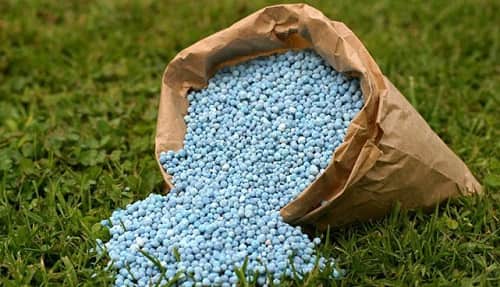
 Agriculture is the backbone of many economies, especially in developing countries. To feed a growing population, farmers must produce more food from limited land resources. Over time, natural soil fertility alone has become insufficient to meet this demand. To solve this problem, fertilizers have become an essential part of modern agriculture. Fertilizers are substances added to soil or crops to supply essential nutrients required for plant growth. These nutrients mainly include nitrogen, phosphorus, and potassium, along with other micronutrients.
Fertilizers can be broadly classified into chemical (synthetic) fertilizers and organic fertilizers. Chemical fertilizers are manufactured in factories, while organic fertilizers come from natural sources such as manure, compost, and plant waste. The use of fertilizers has helped increase crop production, improve food security, and support economic growth. At the same time, excessive and improper use of fertilizers has created serious environmental and health problems. Therefore, understanding both the advantages and disadvantages of fertilizers is very important.
Advantages of Fertilizers
1. Increase in Crop Production
One of the greatest advantages of fertilizers is the increase in agricultural productivity. Fertilizers provide essential nutrients directly to plants, helping them grow faster and healthier. This leads to higher crop yields, which is crucial for feeding a growing population.
2. Improvement in Soil Nutrient Content
Continuous farming reduces the natural nutrient content of soil. Fertilizers help replenish lost nutrients and restore soil fertility. This ensures that crops receive balanced nutrition for proper growth.
3. Faster Plant Growth
Chemical fertilizers act quickly because nutrients are readily available to plants. This promotes faster germination, growth, and maturity of crops, allowing farmers to harvest more frequently.
4. Supports Multiple Cropping
With the help of fertilizers, farmers can grow more than one crop in a year on the same land. This practice, known as multiple cropping, increases food production and farmer income.
5. Improves Crop Quality
Fertilizers improve the size, color, taste, and nutritional value of crops. Proper nutrient supply results in better-quality fruits, vegetables, and grains that are more attractive in the market.
6. Ensures Food Security
Fertilizers play a major role in ensuring food security. Higher agricultural production helps maintain stable food supply and reduces the risk of famines and food shortages.
7. Economically Beneficial for Farmers
Although fertilizers have a cost, the increase in crop yield often results in higher profits for farmers. Fertilizers help farmers make better use of land and resources.
8. Easy to Store and Transport
Chemical fertilizers are compact, easy to store, and simple to transport. This makes them convenient for large-scale agricultural use, especially in regions far from organic fertilizer sources.
9. Essential for Modern Farming
Modern agricultural techniques such as high-yielding varieties and intensive farming depend heavily on fertilizers. Without fertilizers, it would be difficult to maintain current levels of food production.
Disadvantages of Fertilizers
1. Soil Degradation
Excessive use of chemical fertilizers damages soil structure over time. It reduces organic matter in soil, making it hard, less fertile, and less capable of holding water. This decreases long-term soil productivity.
2. Water Pollution
Fertilizers often wash away into rivers, lakes, and groundwater through rain and irrigation. This causes water pollution and leads to problems like eutrophication, which results in excessive growth of algae and death of aquatic life.
3. Harmful to Soil Microorganisms
Chemical fertilizers kill beneficial microorganisms present in soil. These microorganisms play a vital role in maintaining soil health and nutrient recycling. Their loss reduces natural soil fertility.
4. Health Hazards
Fertilizer residues can enter food and drinking water. High nitrate levels in water can cause serious health problems such as blue baby syndrome, digestive issues, and long-term diseases.
5. Air Pollution
Some fertilizers release harmful gases such as ammonia and nitrous oxide into the atmosphere. These gases contribute to air pollution, global warming, and climate change.
6. Dependence on Chemical Inputs
Excessive fertilizer use creates dependency. Over time, soil becomes less productive without chemical inputs, forcing farmers to use more fertilizers each year to maintain yield.
7. High Cost for Small Farmers
Chemical fertilizers are expensive. Small and marginal farmers often struggle to afford them, leading to financial stress and debt. Rising fertilizer prices increase production costs.
8. Reduction in Crop Nutritional Value
Although fertilizers increase yield, excessive use can reduce the nutritional quality of crops. Fruits and vegetables may look larger but contain fewer essential nutrients.
9. Environmental Imbalance
Overuse of fertilizers disturbs the natural balance of ecosystems. It affects plants, animals, soil, and water systems, leading to long-term environmental damage.
10. Risk of Overuse and Misuse
Many farmers apply fertilizers without proper knowledge or soil testing. Overuse or incorrect application can burn crops, reduce yield, and increase environmental pollution.
Organic Fertilizers as an Alternative
Organic fertilizers such as compost, green manure, and animal dung improve soil structure and fertility naturally. They release nutrients slowly, reduce pollution, and support sustainable agriculture. However, organic fertilizers alone may not meet the nutrient demands of large-scale farming. A balanced approach combining organic and chemical fertilizers is often recommended.
Fertilizers and Sustainable Agriculture
To reduce the negative effects of fertilizers, sustainable practices must be adopted. Soil testing, balanced nutrient application, use of bio-fertilizers, and proper irrigation methods can minimize harm. Educating farmers about responsible fertilizer use is essential for protecting the environment and human health.
Conclusion
Fertilizers have played a crucial role in increasing food production and supporting modern agriculture. At the same time, their excessive and careless use has caused serious environmental and health problems. Using fertilizers wisely and in balance with natural methods is the key to sustainable agricultural development.