 By Editor
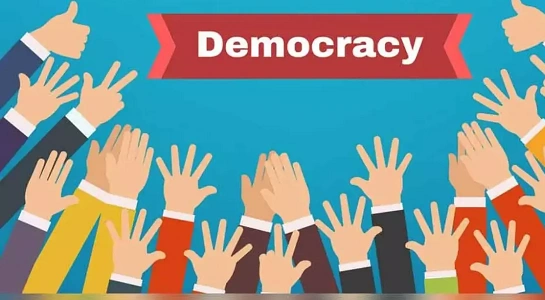
 Democracy is one of the most widely accepted systems of government in the modern world. The word “democracy” comes from the Greek words demos (people) and kratos (power), meaning “rule by the people.” In a democratic system, citizens have the right to choose their representatives through free and fair elections. The government works according to the wishes of the people and remains accountable to them. Democracy is often praised for promoting freedom, equality, and justice. However, it also faces criticism for being slow, expensive, and sometimes ineffective. To understand democracy properly, it is necessary to study both its advantages and disadvantages in detail.
Advantages of Democracy
1. Government by the People
The most important advantage of democracy is that it gives power to the people. Citizens participate in governance either directly or by electing representatives. This participation makes people feel that the government belongs to them. Since leaders are chosen by the public, democracy reflects the will of the majority.
2. Protection of Fundamental Rights
Democracy strongly supports individual rights and freedoms. Citizens enjoy freedoms such as speech, expression, religion, press, and association. These rights allow people to express their opinions without fear and protect them from unfair actions by the government. Such freedoms are rarely found in authoritarian systems.
3. Equality Before Law
Democracy promotes the principle that all citizens are equal before the law. No individual or group is above the law, whether rich or poor, powerful or ordinary. This idea of legal equality strengthens justice and prevents misuse of authority.
4. Accountability and Transparency
In a democratic system, rulers are accountable to the people. Governments must explain their actions and policies. If leaders fail to work honestly or efficiently, people can remove them through elections. This fear of losing power encourages leaders to act responsibly.
5. Encourages Political Awareness
Democracy encourages citizens to be aware of political and social issues. Through debates, elections, discussions, and media, people learn about government policies and national problems. This awareness helps citizens make informed decisions and actively participate in public life.
6. Peaceful Change of Government
One of the strongest features of democracy is the peaceful transfer of power. Governments change through elections rather than violence or revolutions. This reduces bloodshed and maintains political stability, which is essential for national development.
7. Promotes National Unity and Diversity
Democracy allows people from different religions, languages, cultures, and regions to live together peacefully. It respects diversity and provides representation to various groups. This inclusive nature helps reduce social tensions and strengthens national unity.
8. Encourages Discussion and Debate
In democracy, decisions are taken after discussion and debate. Different opinions are heard, and policies are carefully examined before implementation. Though this process takes time, it usually results in more balanced and thoughtful decisions.
9. Supports Social and Economic Development
Democratic governments focus on public welfare to gain popular support. Policies related to education, healthcare, employment, and social justice receive importance. Over time, this helps improve the overall quality of life of citizens.
Disadvantages of Democracy
1. Slow Decision-Making
Democracy involves lengthy procedures such as discussions, debates, and approvals. As a result, decisions are often delayed. In situations where quick action is required, such as emergencies or national crises, this delay can be harmful.
2. Rule of the Majority
Democracy works on the principle of majority rule. Sometimes, this can lead to the neglect of minority interests. If the majority misuses its power, minorities may feel ignored or oppressed, which can create social unrest.
3. Political Instability
Frequent elections, coalition governments, and conflicts among political parties can cause instability. Governments may fall before completing their term, affecting long-term development plans and policy continuity.
4. Corruption in Politics
Corruption is a serious problem in many democracies. Politicians may use money, power, caste, or religion to win elections. Practices like vote-buying, favoritism, and misuse of public funds weaken democratic values and public trust.
5. Influence of Money and Media
Modern democracy is often influenced by money and media. Wealthy individuals and powerful media groups can shape public opinion. This reduces fairness in elections and gives an unfair advantage to rich candidates or parties.
6. Lack of Qualified Leadership
Democracy does not always guarantee capable leadership. Elections are often won based on popularity rather than knowledge or experience. As a result, inefficient or unskilled leaders may come to power, affecting governance.
7. High Cost of Elections
Conducting elections is expensive. Large amounts of public money are spent on campaigns, security, administration, and voting systems. This money could otherwise be used for development projects such as education and healthcare.
8. Public Ignorance and Misuse of Freedom
Democracy depends on informed and responsible citizens. However, lack of education or political awareness can lead to poor decision-making. Some people misuse freedom of speech to spread misinformation or hatred, harming social harmony.
9. Short-Term Focus of Governments
Elected governments often focus on short-term policies to win the next election. Long-term national interests may be ignored in favor of popular but less effective decisions. This can slow sustainable development.
Conclusion
Democracy offers freedom, equality, and participation, making it one of the most preferred systems of governance. At the same time, challenges such as corruption, slow decision-making, and political instability remain. The true success of democracy depends on educated citizens, honest leadership, and strong institutions.