 By Editor
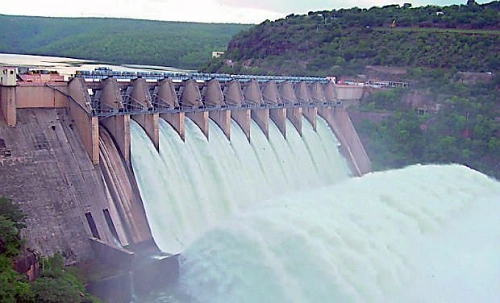
 Dams are large structures built across rivers to store, control, and manage water. They are constructed for various purposes such as irrigation, hydroelectric power generation, flood control, and water supply. Since ancient times, humans have built dams to support agriculture and settlements. In the modern world, dams play a major role in economic development and resource management. However, while dams provide many benefits, they also create serious environmental, social, and economic problems. Therefore, it is important to study both the advantages and disadvantages of dams in detail.
Advantages of Dams
1. Irrigation Support
One of the most important advantages of dams is irrigation. Dams store river water and release it through canals to agricultural fields. This ensures a regular supply of water, especially during dry seasons. Irrigation helps farmers grow crops throughout the year and increases agricultural productivity.
2. Generation of Hydroelectric Power
Dams are a major source of renewable energy. Water stored in dams is used to generate hydroelectric power by rotating turbines. This form of energy does not produce air pollution and reduces dependence on fossil fuels. Hydropower is clean, sustainable, and cost-effective in the long run.
3. Flood Control
Dams help control floods by storing excess water during heavy rainfall. By regulating the flow of rivers, dams prevent sudden floods that can destroy crops, homes, and human lives. Flood control dams protect downstream areas from damage and reduce economic losses.
4. Drinking Water Supply
Dams provide a reliable source of drinking water for cities and towns. Stored water is treated and supplied to households and industries. This is especially important in regions facing water scarcity and rapid population growth.
5. Industrial Development
Industries require large quantities of water for manufacturing, cooling, and cleaning processes. Dams ensure continuous water supply to industrial areas, supporting economic growth and employment generation.
6. Navigation and Transportation
Some dams improve river navigation by maintaining water levels. This helps in the transportation of goods through waterways, reducing pressure on road and rail transport and lowering transportation costs.
7. Fisheries and Aquaculture
Reservoirs created by dams support fishing and fish farming activities. They provide livelihood opportunities to local people and contribute to food supply. Fisheries also promote regional economic development.
8. Recreation and Tourism
Dams and reservoirs often become tourist attractions. Activities like boating, fishing, picnics, and sightseeing generate revenue and create employment. Famous dams attract visitors and promote regional tourism.
9. Drought Management
During periods of low rainfall, stored water from dams helps manage drought conditions. Controlled release of water ensures supply for agriculture, drinking, and industry even in dry years.
Disadvantages of Dams
1. Displacement of People
One of the biggest disadvantages of dams is the displacement of people. Large areas are submerged to create reservoirs, forcing thousands of families to leave their homes. Rehabilitation and resettlement are often inadequate, causing social and economic hardship.
2. Environmental Damage
Dams disturb natural river ecosystems. They affect the flow of rivers, temperature of water, and natural sediment movement. Aquatic plants and animals suffer due to changes in habitat, leading to loss of biodiversity.
3. Loss of Forests and Wildlife
Construction of dams leads to submergence of forests, wildlife habitats, and agricultural land. This results in deforestation and loss of wildlife. Many species face extinction due to destruction of their natural environment.
4. Sedimentation Problem
Over time, sediments carried by rivers accumulate in reservoirs. This reduces the storage capacity of dams and affects their efficiency. Desiltation is expensive and difficult, shortening the lifespan of dams.
5. Impact on Downstream Areas
Dams reduce the natural flow of water to downstream regions. This affects agriculture, fisheries, and soil fertility. Farmers downstream may face water shortages and reduced crop yields.
6. Risk of Dam Failure
Dams carry the risk of failure due to earthquakes, heavy rainfall, poor maintenance, or technical defects. A dam collapse can cause massive floods, loss of life, and destruction of property downstream.
7. High Cost of Construction
Building dams requires huge financial investment. Construction, maintenance, and rehabilitation costs are very high. In some cases, the benefits do not justify the expenses involved.
8. Waterlogging and Salinity
Excessive irrigation from dams can lead to waterlogging and soil salinity in nearby agricultural areas. This reduces soil fertility and affects crop production in the long term.
9. Social Conflicts
Dams often create conflicts between states, regions, or communities over water sharing. Disputes over water distribution can lead to political tension and legal battles.
10. Climate and Health Issues
Stagnant water in reservoirs can increase humidity and affect local climate. It can also become a breeding ground for mosquitoes, leading to diseases such as malaria and dengue.
Dams and Sustainable Development
Modern planning emphasizes the need for sustainable dam development. Environmental impact assessments, proper rehabilitation policies, efficient water management, and alternative solutions like rainwater harvesting are essential. Small and multipurpose dams are often considered more sustainable than large dams.
Conclusion
Dams play an important role in irrigation, power generation, and water management, contributing to economic development. However, problems like displacement, environmental damage, and high costs cannot be ignored. Balanced planning and responsible management are necessary to ensure that the benefits of dams outweigh their disadvantages.