 By Editor
 Energy is a basic requirement for daily life and economic development. Cooking, lighting, electricity generation, and transportation all depend on reliable sources of energy. For a long time, people have depended mainly on fossil fuels such as coal, petrol, diesel, and natural gas. However, these fuels are limited in supply and cause serious environmental problems like air pollution and climate change. As a result, renewable and eco-friendly energy sources are becoming increasingly important. Biogas is one such renewable source of energy.
Biogas is produced by the decomposition of organic waste such as animal dung, kitchen waste, agricultural residue, and sewage in the absence of oxygen. This process is known as anaerobic digestion. The gas produced mainly contains methane and carbon dioxide. Biogas can be used for cooking, lighting, electricity generation, and even as fuel for vehicles after purification. It is especially useful in rural areas where organic waste is easily available. However, along with its benefits, biogas also has certain limitations. To understand its overall value, it is important to study both the advantages and disadvantages of biogas.
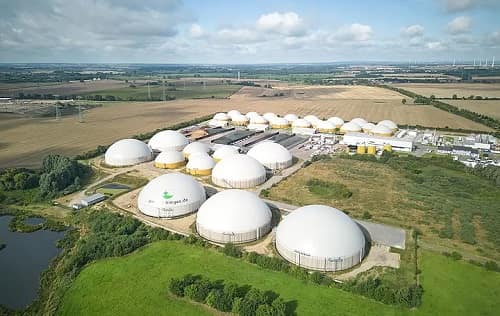
Advantages of Biogas
1. Renewable Source of Energy
One of the biggest advantages of biogas is that it is renewable. It is produced from organic waste, which is continuously generated by households, farms, and industries. As long as organic waste is available, biogas can be produced without exhausting natural resources.
2. Environment Friendly
Biogas is a clean and eco-friendly fuel. When used for cooking or electricity generation, it produces very little smoke and fewer harmful gases compared to firewood, coal, or kerosene. This helps reduce air pollution and improves environmental quality.
3. Reduces Greenhouse Gas Emissions
Biogas helps reduce greenhouse gas emissions. Animal dung and organic waste naturally release methane into the atmosphere, which is a powerful greenhouse gas. By converting this methane into biogas and using it as fuel, its harmful effect on climate change is reduced.
4. Effective Waste Management
Biogas plants provide an effective way to manage organic waste. Kitchen waste, animal dung, crop residue, and sewage are converted into useful energy instead of being dumped in open areas. This reduces pollution and improves sanitation.
5. Produces Useful Organic Fertilizer
The slurry left after biogas production is rich in nutrients and can be used as organic manure. This slurry improves soil fertility, increases crop yield, and reduces the need for chemical fertilizers.
6. Reduces Dependence on Fossil Fuels
Using biogas reduces dependence on fossil fuels like LPG, coal, and diesel. This helps save natural resources and reduces fuel import costs, especially in developing countries.
7. Improves Rural Living Conditions
Biogas is particularly useful in rural areas. It provides clean cooking fuel, reduces indoor air pollution, and saves time spent collecting firewood. This improves the health and quality of life of rural households, especially women.
8. Cost-Effective in the Long Run
Although the initial cost of setting up a biogas plant may be high, the running cost is very low. Once installed, biogas plants provide free fuel for many years, making them economical in the long term.
9. Generates Employment
Biogas projects create employment opportunities in plant construction, maintenance, waste collection, and management. This supports rural employment and local economies.
10. Versatile Use
Biogas can be used for multiple purposes such as cooking, heating, electricity generation, and vehicle fuel (after purification into compressed biogas). This versatility makes it a valuable energy source.
Disadvantages of Biogas
1. High Initial Installation Cost
One of the major disadvantages of biogas is the high initial cost of setting up a biogas plant. Poor and small farmers may find it difficult to afford construction and installation without government support.
2. Requires Regular Maintenance
Biogas plants require regular feeding of raw material and proper maintenance. If not managed properly, gas production decreases, and the plant may stop functioning efficiently.
3. Depends on Availability of Raw Material
Continuous biogas production depends on a steady supply of organic waste. In areas where animal dung or organic waste is not available in sufficient quantity, biogas plants may not be practical.
4. Not Suitable for All Areas
Biogas plants are more suitable for rural areas with space and organic waste availability. In urban areas with limited space and poor waste segregation, biogas production becomes difficult.
5. Lower Energy Output
Compared to fossil fuels, biogas has a lower energy content. Large quantities of biogas are required to produce the same amount of energy as petrol or diesel, limiting its use for heavy industries.
6. Seasonal Variations
Biogas production can be affected by temperature. In colder regions or winter seasons, the digestion process slows down, reducing gas output. Special heating arrangements may be required.
7. Leakage and Safety Issues
Methane is highly flammable. Poorly constructed or maintained biogas plants can cause gas leakage, leading to fire hazards and health risks. Proper design and safety measures are essential.
8. Limited Awareness and Technical Knowledge
Many people lack proper knowledge about biogas technology. Poor training and lack of skilled technicians can lead to inefficient plant operation and failure.
9. Smell and Hygiene Problems
If not properly managed, biogas plants may produce foul smell and attract insects. This can create hygiene problems and reduce acceptance among users.
10. Storage and Transportation Difficulties
Biogas is difficult to store and transport in its raw form. Compressing and purifying biogas for storage requires advanced technology and additional cost.
Role of Biogas in Sustainable Development
Biogas plays an important role in sustainable development by providing clean energy, managing waste, and improving soil fertility. Governments in many countries promote biogas through subsidies and awareness programs. When combined with proper waste management and training, biogas can significantly reduce pollution and support rural development.
Conclusion
Biogas is a renewable, eco-friendly, and useful source of energy that helps manage waste and reduce dependence on fossil fuels. However, issues such as high initial cost, maintenance needs, and limited energy output cannot be ignored. With proper planning, technical support, and public awareness, the advantages of biogas can outweigh its disadvantages, making it an important energy solution for a sustainable future.