 By Editor
 Energy is the backbone of modern civilization. From homes and schools to factories and hospitals, almost every activity depends on electricity. For many years, most of this energy has been produced using fossil fuels such as coal, oil, and natural gas. However, these resources are limited and cause serious environmental problems like air pollution and climate change. As a result, renewable sources of energy have gained importance. One such important renewable source is wind energy, and windmills play a key role in harnessing it.
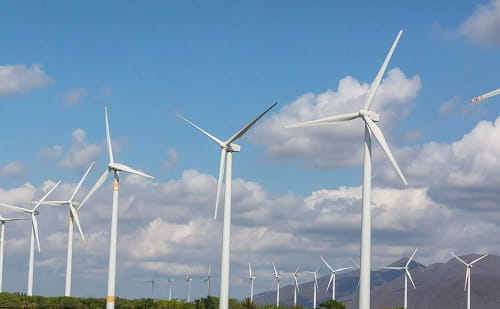
A windmill is a structure that converts the kinetic energy of wind into useful energy. Traditionally, windmills were used to grind grain or pump water. Today, modern windmills, also called wind turbines, are mainly used to generate electricity. Wind energy is clean, renewable, and widely available in many parts of the world. At the same time, windmills also face challenges related to cost, reliability, and environmental impact. To understand their true importance, it is necessary to study both the advantages and disadvantages of windmills.
Advantages of Windmills
1. Renewable Source of Energy
One of the biggest advantages of windmills is that wind energy is renewable. Wind is a natural and endless resource that will not run out. As long as the sun heats the Earth unevenly, wind will continue to blow, making wind energy a sustainable option for the future.
2. Environment Friendly
Windmills produce electricity without burning fuel. They do not release harmful gases such as carbon dioxide, sulfur dioxide, or nitrogen oxides. This helps reduce air pollution and slows down climate change, making wind energy environmentally friendly.
3. No Fuel Cost
Wind energy does not require any fuel. Once a windmill is installed, the wind itself provides the energy free of cost. This reduces dependence on expensive fossil fuels and protects against rising fuel prices.
4. Low Operating and Maintenance Cost
After installation, windmills have relatively low operating and maintenance costs. There is no need to buy fuel regularly, and modern wind turbines are designed to work efficiently for many years with minimal maintenance.
5. Reduces Dependence on Fossil Fuels
Windmills help reduce reliance on coal, oil, and gas. This improves energy security and reduces the need for fuel imports, which is especially important for countries that depend heavily on foreign energy sources.
6. Suitable for Rural and Remote Areas
Windmills are very useful in rural and remote areas where electricity supply is limited or unavailable. Small wind turbines can provide power for homes, farms, and water pumping in such regions.
7. Land Can Be Used for Multiple Purposes
Windmills do not occupy much ground space. The land around them can still be used for farming, grazing animals, or other activities. This makes wind energy compatible with agricultural land use.
8. Employment Opportunities
The wind energy sector creates jobs in manufacturing, installation, operation, and maintenance of windmills. It also supports local industries and contributes to economic development.
9. Quick Installation
Compared to large power plants, windmills can be installed relatively quickly. Wind farms can be developed in a shorter time, helping meet energy demand faster.
10. Helps in Decentralized Power Generation
Windmills support decentralized electricity generation. Power can be produced closer to where it is used, reducing transmission losses and improving energy efficiency.
Disadvantages of Windmills
1. Dependence on Wind Availability
The biggest disadvantage of windmills is that they depend on wind. Wind does not blow all the time. When wind speed is low or absent, electricity generation stops, making wind energy unreliable without backup systems.
2. High Initial Cost
The installation of windmills requires a high initial investment. The cost of turbines, towers, foundations, and electrical connections can be expensive, especially for large wind farms.
3. Noise Pollution
Windmills produce noise due to the movement of blades and mechanical parts. This noise can disturb people living nearby, especially in quiet rural areas.
4. Visual Impact
Many people consider windmills unattractive and believe they spoil the natural beauty of landscapes. Large wind farms can change the appearance of scenic areas, leading to public opposition.
5. Harm to Birds and Wildlife
Windmill blades can pose a threat to birds and bats. Collisions with rotating blades can cause injuries or death, especially in areas with high bird activity.
6. Large Space Requirement
Although individual windmills do not occupy much ground space, wind farms require large areas with suitable wind conditions. Such locations are not available everywhere.
7. Irregular Power Output
Wind speed varies throughout the day and year. This causes fluctuations in power generation, making it difficult to match electricity supply with demand without energy storage systems.
8. Maintenance in Difficult Conditions
Windmills are often installed in remote, hilly, or coastal areas where wind is strong. Maintenance and repair in such locations can be difficult and costly.
9. Limited Suitable Locations
Windmills work best in areas with consistent and strong wind, such as coastal regions, open plains, and hilltops. Areas with low wind speed are not suitable for wind energy generation.
10. Need for Backup Power
Because wind energy is not continuous, backup power sources such as batteries, thermal power plants, or other renewable sources are required. This increases overall system cost.
Windmills and Modern Energy Needs
With growing concerns about pollution and climate change, wind energy has become an important part of the global energy mix. Technological improvements have made windmills more efficient and reliable than before. Offshore wind farms and advanced turbines are helping overcome some limitations. Many countries are investing heavily in wind energy as part of their renewable energy goals.
Conclusion
Windmills offer a clean, renewable, and sustainable source of energy that reduces pollution and dependence on fossil fuels. However, challenges such as high initial cost, dependence on wind, and environmental concerns cannot be ignored. With proper planning, improved technology, and integration with other energy sources, the advantages of windmills can outweigh their disadvantages, making them a valuable solution for future energy needs.