 By Editor
 Energy plays a crucial role in modern life. Transportation, industries, agriculture, and electricity generation all depend heavily on fuel. For many years, fossil fuels such as diesel and petrol have been the main sources of energy. However, the excessive use of fossil fuels has led to serious problems like air pollution, climate change, and depletion of natural resources. To reduce these problems, scientists and governments are searching for cleaner and renewable alternatives. Biodiesel is one such alternative fuel.
Biodiesel is a renewable fuel made from natural sources such as vegetable oils, animal fats, and used cooking oil. It can be used in diesel engines either alone or mixed with petroleum diesel. Biodiesel is considered environment-friendly because it is biodegradable and produces fewer harmful emissions. Many countries are promoting biodiesel to reduce dependence on fossil fuels and improve energy security. However, biodiesel also has certain limitations related to cost, land use, and engine performance. Therefore, it is important to study both the advantages and disadvantages of biodiesel.
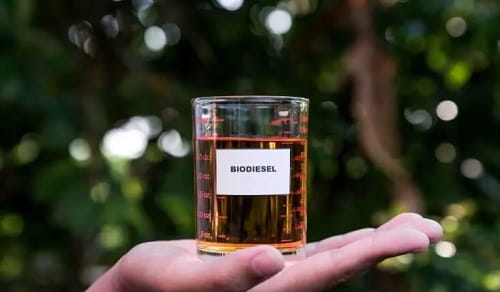
Advantages of Biodiesel
1. Renewable Source of Energy
One of the biggest advantages of biodiesel is that it is renewable. Biodiesel is produced from plants and animal fats, which can be replenished through farming and biological processes. Unlike fossil fuels, biodiesel will not run out if managed properly.
2. Environment Friendly
Biodiesel burns cleaner than conventional diesel. It produces fewer harmful gases such as carbon monoxide, sulfur dioxide, and particulate matter. This helps reduce air pollution and improves air quality, especially in urban areas.
3. Reduces Greenhouse Gas Emissions
Biodiesel helps reduce greenhouse gas emissions. Plants used to produce biodiesel absorb carbon dioxide from the atmosphere during growth. This partially balances the carbon dioxide released when biodiesel is burned, helping reduce global warming.
4. Biodegradable and Non-Toxic
Biodiesel is biodegradable and less toxic compared to petroleum diesel. In case of spills, biodiesel breaks down quickly in the environment and causes less damage to soil and water.
5. Can Be Used in Existing Diesel Engines
One major advantage of biodiesel is that it can be used in existing diesel engines with little or no modification. Biodiesel blends such as B5 or B20 (5% or 20% biodiesel mixed with diesel) work well in most vehicles.
6. Reduces Dependence on Fossil Fuels
Using biodiesel reduces dependence on imported petroleum. This improves national energy security and helps countries save foreign exchange spent on fuel imports.
7. Supports Agricultural Sector
Biodiesel production creates demand for crops like soybean, mustard, palm, and jatropha. This provides additional income opportunities for farmers and supports rural development.
8. Better Lubrication
Biodiesel has good lubricating properties. It reduces engine wear and tear, which can increase engine life and improve performance when used in proper blends.
9. Safer to Handle
Biodiesel has a higher flash point than petroleum diesel. This makes it safer to store, transport, and handle, reducing the risk of fire and explosions.
10. Waste Utilization
Biodiesel can be produced from used cooking oil and animal waste. This helps manage waste effectively and reduces environmental pollution caused by improper disposal.
Disadvantages of Biodiesel
1. Higher Cost of Production
One of the main disadvantages of biodiesel is its higher production cost. Growing crops, processing oils, and converting them into biodiesel require significant investment. As a result, biodiesel is often more expensive than conventional diesel.
2. Land Use and Food Security Issues
Large-scale biodiesel production requires large areas of land. Growing fuel crops may compete with food crops, leading to food shortages and higher food prices. This is a major concern in developing countries.
3. Lower Energy Content
Biodiesel has slightly lower energy content compared to petroleum diesel. This means vehicles may travel fewer kilometers per liter, resulting in reduced fuel efficiency.
4. Cold Weather Problems
Biodiesel can thicken or gel in cold temperatures. This affects fuel flow and engine performance in cold regions. Special additives or heating systems are needed to overcome this problem.
5. Storage and Shelf-Life Issues
Biodiesel has a shorter shelf life than petroleum diesel. It absorbs moisture easily and can grow microbes during storage, which may damage engines and fuel systems.
6. Possible Engine Compatibility Issues
Although biodiesel works in most diesel engines, high biodiesel blends can damage rubber hoses, seals, and fuel filters in older engines. This may increase maintenance costs.
7. Increased Nitrogen Oxide Emissions
In some cases, biodiesel produces slightly higher nitrogen oxide emissions. Nitrogen oxides contribute to smog formation and respiratory problems, which can reduce environmental benefits.
8. Dependence on Agricultural Conditions
Biodiesel production depends heavily on agriculture. Crop failure due to droughts, floods, or pests can affect biodiesel supply and price stability.
9. Limited Availability
Biodiesel is not widely available everywhere. Lack of infrastructure, production plants, and distribution networks limits its use in many regions.
10. Environmental Impact of Farming
Large-scale farming for biodiesel crops may lead to deforestation, excessive water use, and increased use of fertilizers and pesticides. These practices can harm soil, water, and biodiversity.
Biodiesel and Sustainable Development
Biodiesel can play an important role in sustainable development if produced responsibly. Using non-food crops, agricultural waste, and used cooking oil can reduce negative impacts. Proper policies, research, and technological improvements are necessary to make biodiesel more efficient and eco-friendly.
Conclusion
Biodiesel is a renewable and cleaner alternative to petroleum diesel that helps reduce pollution and dependence on fossil fuels. At the same time, challenges such as high cost, land use issues, and lower efficiency cannot be ignored. With careful planning, improved technology, and sustainable practices, biodiesel can become an important part of the future energy system.