 By Santosh Kumar
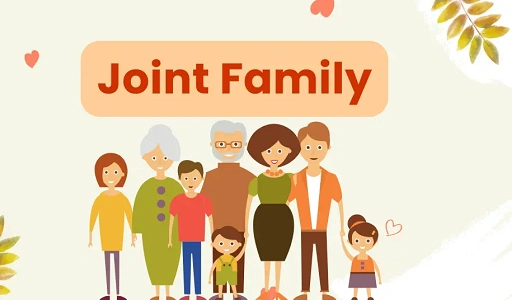
 A joint family is a traditional family system in which several generations live together under one roof. It usually includes grandparents, parents, uncles, aunts, cousins, and children sharing the same household. This system has been common in countries like India, where family values, unity, and mutual support have always been important. For centuries, the joint family system played a major role in shaping social life and culture. However, with modernization, urbanization, and changing lifestyles, the nuclear family system has become more common. Even today, the joint family system has both strong advantages and serious disadvantages. Understanding both sides helps us see its true value in modern society.
Advantages of Joint Family System
1. Strong Family Support
One of the biggest advantages of a joint family is the strong support system it provides. In times of illness, financial difficulty, or emotional stress, family members stand by each other. No one feels alone because help is always available within the family.
2. Financial Security and Sharing of Resources
In a joint family, income from multiple members is pooled together. Expenses such as food, housing, education, and medical care are shared. This reduces the financial burden on individuals and provides economic security, especially during emergencies.
3. Care of Children and Elderly
Joint families provide natural care for both children and elderly members. Grandparents help in raising children, sharing their experience and values. At the same time, elders receive respect, care, and emotional support, which is often missing in nuclear families.
4. Moral and Cultural Education
Children growing up in joint families learn values like respect, cooperation, discipline, and responsibility from an early age. They are exposed to traditions, customs, and cultural practices, helping them develop a strong moral foundation.
5. Emotional Stability
Living with many family members creates emotional bonding. People share joys, sorrows, festivals, and achievements together. This emotional closeness reduces stress, loneliness, and mental pressure, especially for children and elderly persons.
6. Division of Work
In a joint family, responsibilities are divided among members. Household chores, child care, and financial responsibilities are shared. This reduces pressure on any single individual and ensures smoother functioning of the household.
7. Sense of Belonging and Security
Joint families give members a sense of identity and belonging. Individuals feel protected and valued as part of a larger unit. This feeling of security helps people face life’s challenges with confidence.
8. Preservation of Traditions
Joint families help preserve cultural traditions, festivals, rituals, and customs. Elders pass down family history and values to younger generations, keeping cultural heritage alive.
9. Help During Crisis
During situations like unemployment, illness, or loss, joint families provide immediate help. Members support each other emotionally and financially, reducing dependence on outsiders.
Disadvantages of Joint Family System
1. Lack of Privacy
One of the major drawbacks of joint families is lack of privacy. With many people living together, personal space is limited. Couples and individuals may feel uncomfortable or restricted in expressing themselves freely.
2. Conflicts and Quarrels
Differences in opinions, habits, and lifestyles often lead to conflicts. Small misunderstandings can turn into major disputes, affecting peace and harmony in the family.
3. Limited Freedom
In joint families, decisions are often taken by elders. Younger members may feel that their choices regarding education, career, marriage, or lifestyle are restricted. This can lead to frustration and dissatisfaction.
4. Financial Disputes
Sharing income and expenses can sometimes cause financial disagreements. Members who earn more may feel burdened, while those who earn less may feel dependent. Such issues can create tension within the family.
5. Unequal Distribution of Work
In many joint families, household work is not evenly distributed. Women, in particular, may face excessive workload and limited independence. This can affect their physical and mental well-being.
6. Slow Decision-Making
Since many people are involved, decisions in joint families are often slow. Getting everyone’s approval takes time, which can be problematic in urgent situations.
7. Generation Gap
Differences between older and younger generations can create misunderstanding. Elders may resist change, while younger members may want modern lifestyles. This gap can lead to emotional distance.
8. Dependency Mentality
Some members may become overly dependent on the family, avoiding personal responsibility. This can reduce individual growth, self-confidence, and initiative.
9. Reduced Individual Growth
In joint families, individual talents and ambitions may not always receive proper encouragement. Personal goals can be sacrificed for family expectations, affecting personal development.
10. Difficulty in Urban Life
In modern urban areas, joint families face challenges like limited housing space, job mobility, and high living costs. Managing a large family in small apartments becomes difficult.
Joint Family in Modern Times
In today’s fast-changing world, the joint family system is under pressure. Migration for jobs, higher education, and modern lifestyles have made nuclear families more common. However, the values of cooperation, care, and unity that joint families offer are still highly relevant. Many families now prefer a balanced approach, maintaining emotional connections while living separately.
Conclusion
The joint family system offers emotional strength, financial security, and cultural continuity, but it also brings challenges like lack of privacy and conflicts. Its success depends on mutual understanding, respect, and adjustment among family members. In modern society, blending traditional values with personal freedom can make family life healthier and more meaningful.